Introduction to Nutsedge in Lawns
What is Nutsedge?
Nutsedge is not just another variety of grass; it’s a formidable weed commonly mistaken for grass due to its similar appearance. Predominantly found in North Alabama’s damp environments, it frustrates lawn enthusiasts with its fast-growing nature and resilience. Characterized by its triangular stems and grass-like appearance, it distinguishes itself as a unique challenge in lawn care.
Unlike common grasses, nutsedge grows faster, out-competing turf grass and creating uneven lawn surfaces. It’s also known for its nut-like tubers which are hard to manage once established. Effective nutsedge control is vital for maintaining a healthy lawn and preventing significant aesthetic damage.
Why It Matters
Understanding why nutsedge matters in lawn care is crucial because it impacts the health and appearance of your grass over time. Unlike other weeds that may be managed with general applications, nutsedge requires specialized attention due to its rapid growth and resilience. Left unchecked, it leads to bald patches or unsightly overgrowth, reducing your lawn’s aesthetic value and health.
In environments found around the North Alabama region, nutsedge thrives in poorly drained, compacted soils that struggle to support healthy turf growth. It’s essential to recognize its presence early to implement effective weed control services that can prevent further spread.
Identifying Nutsedge
Correct identification of nutsedge is critical for effective control. It thrives in damp soil with warm temperatures and typically presents a lighter green hue than surrounding grasses. Homeowners often notice nutsedge when it grows taller than their turf, with its shiny, V-shaped leaves instead of the flat blades seen in common grass.
Nutsedge’s distinctive characteristic is its three-sided or triangular stem, which can be felt between the fingers. Identifying these traits early is essential when it comes to choosing the right crabgrass control methods, as generic grass treatments might not be effective.
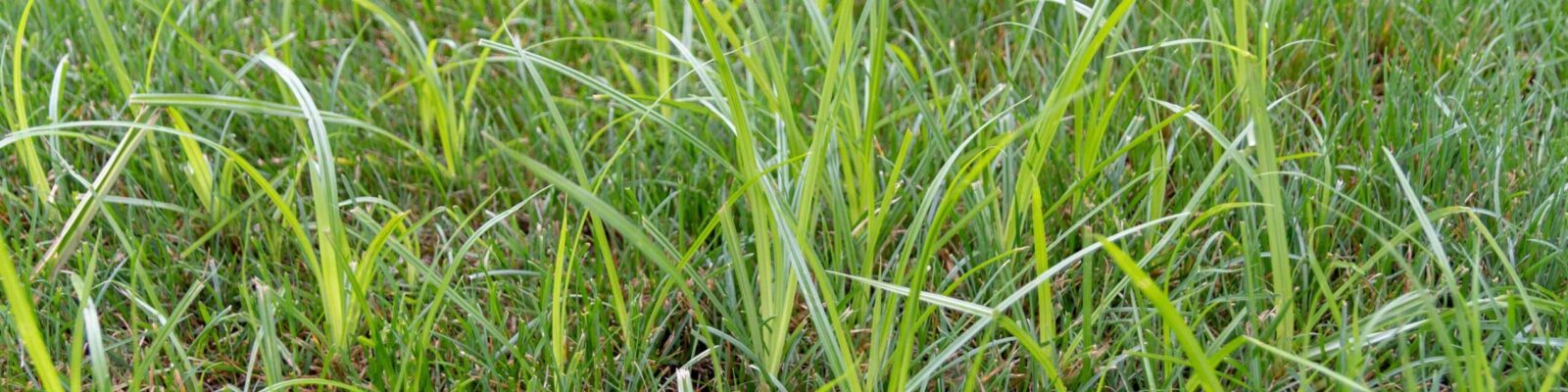
Detailed close-up photograph showing nutsedge infestation in a residential lawn. The yellow-green sedge plants are clearly visible among regular grass, demonstrating common lawn weed problems requirin
Nutsedge Identification Tips
Physical Characteristics
Identifying nutsedge begins with understanding its unique physical traits. Unlike traditional grasses, nutsedge has a bright, shiny appearance with stems growing in a triangular shape. Its leaves are arranged in groups of three at the tip of the stem, unlike the paired leaves of most grasses, contributing to its unique look.
The plants are a pale to bright green color, which can stand out starkly against the typical lawn hues. This bright color and rapid growth make them more visible, helping in the early stages of lawn weed control.
Environmental Conditions for Growth
Nutsedge thrives in specific conditions, which often occur in poorly drained areas. Wet and compacted soils provide an ideal environment for growth, making consistent lawn maintenance essential. It’s important to address the underlying soil issues to prevent nutsedge from proliferating.
It usually becomes more prevalent in the warmer months when moisture is abundant. Monitoring these conditions allows for timely interventions using a weed elimination service.
Signs of Infestation
Understanding the signs of nutsedge infestation can help in early detection and control:
- Yellowish Blades: Nutsedge often appears with yellowish-green leaves that quickly outgrow surrounding grasses.
- Rapid Growth: Because it grows faster than typical lawn grass, it often stands taller, creating an uneven look.
- Uneven Lawn Texture: The hectic growth can lead to a patchy, unappealing lawn surface.
- Nut-like Tubers: These underground structures are responsible for its persistence, complicating eradication efforts.
- Thrives in Wet Conditions: It excels in overly moist soils, indicating potential drainage issues.
Identifying these signs assists homeowners in pursuing timely weed management practices.
Preventing Nutsedge Growth
Preventive Lawn Care Practices
Implementing effective preventive measures is the first step in nutsedge control. Regular lawn care practices, such as maintaining optimal mowing heights and ensuring proper irrigation, can eliminate the conditions that favor nutsedge growth. Continuous lawn maintenance helps ensure the healthy growth of turfgrass and reduces the likelihood of weed invasions.
A key component of preventive strategies includes the timely use of post emergent herbicides, which can suppress new nutsedge sprouts while they are most vulnerable.
Choosing the Right Grass Type
Opting for grass varieties that thrive in local environmental conditions can help prevent nutsedge infestations. In North Alabama, choosing robust and competitive grass species that can thrive in damp conditions without succumbing to nutsedge can be beneficial.
Well-adapted grass types reduce the open soil patches where nutsedge seeds can sprout, effectively crowding out this tenacious weed. Talking with local experts on such perspectives can be valuable, aligning choices with pre-emergent application schedules.
Importance of Soil Management
Good soil management practices enhance the effectiveness of weed control services. Compacted, waterlogged soils create a favorable environment for nutsedge. Thus, improving soil drainage and structure through aeration and applying organic matter can discourage its growth.
Soil testing to evaluate nutrient levels and pH balance can further inform adjustments needed to optimize growing conditions, thereby reducing the suitability for nutsedge and other weeds.
Upgrade to VIP Lawn Service
Join our VIP program for exclusive lawn services ensuring the highest standards of care for your property.
Treatment Options for Nutsedge Control
Cultural Control Methods
Cultural control involves altering the growth environment to disadvantage nutsedge. Enhancing turf density through regular fertilization and proper seeding can suppress nutsedge naturally by blocking sunlight and creating competition for resources.
Additionally, adjusting mowing practices—including cutting at higher heights—ensures grass outcompetes weeds for sunlight, making it difficult for nutsedge to gain a foothold.
Chemical Control Options
The use of chemicals is a strategic approach to nutsedge elimination. Following methods are commonly effective:
- Using Pre-Emergent Herbicides: To prevent seed germination, apply early in the growing season.
- Applying Post-Emergent Herbicides: Target actively growing nutsedge for quickest results.
- Considering Organic Solutions: Natural products can offer eco-friendly options without harsh chemicals.
- Timing Applications Correctly: Apply herbicides during specific growth periods for maximum impact.
- Monitoring Treated Areas for Effectiveness: Regular checking ensures treatment effectiveness and might indicate need for repeat applications.
- Understanding Herbicide Labels and Usage: Accurate application guidelines prevent harm to desired species and maximize herbicide efficiency.
These methods complement the use of a professional weed control service for enhanced effectiveness.
Follow-Up and Monitoring
Post-treatment monitoring is essential. After employing chemical methods, continue assessing the lawn’s state to ensure nutsedge does not return. Consistent evaluation helps secure the benefits delivered by lawn care services and supports long-term lawn health.
By observing changes and continuing control practices, you can maintain a nutsedge-free environment, keeping your lawn looking its best.
Long-Term Strategies for Lawn Health
Regular Lawn Maintenance Practices
Consistent maintenance is the backbone of nutsedge prevention. Mowing at the appropriate height for your grass type and frequent watering schedules are fundamental. Balanced fertilization tailored to the needs of your turf helps keep it healthy and dense, creating an unfavorable environment for weeds.
Implementing these practices prevents premature wear and provides a robust defense against infestations, aiding in fall weed control.
Educating Yourself on Weed Management
Knowledge is power when it comes to fighting lawn weeds. Staying informed about the latest strategies and products for nutsedge control ensures you are prepared to deal with any infestation quickly and effectively.
Accessing trusted resources and possibly joining local lawn care workshops can be valuable. A thorough understanding enhances the impact of a weed control service.
Seasonal Lawn Care Tips
Adjusting practices based on seasons is crucial for consistent quality lawn care. Here are some tips:
- Adjusting Mowing Heights: Taller grass blades can overshadow emerging weeds during warmer months.
- Regularly Checking for Weeds: Frequent inspections ease the timely application of control measures.
- Implementing a Fertilization Schedule: Consistent feedings support grass strength and density, making the soil less suitable for weeds.
- Understanding the Importance of Irrigation: Proper watering amounts and timing protect grass from stress while reducing weed opportunities.
- Adapting to Seasonal Changes in Grass Care: Tailor practices to account for weather patterns specific to each season, enhancing overall lawn health.
Merging these tips with informed product use secures a lush, appealing lawn over time.
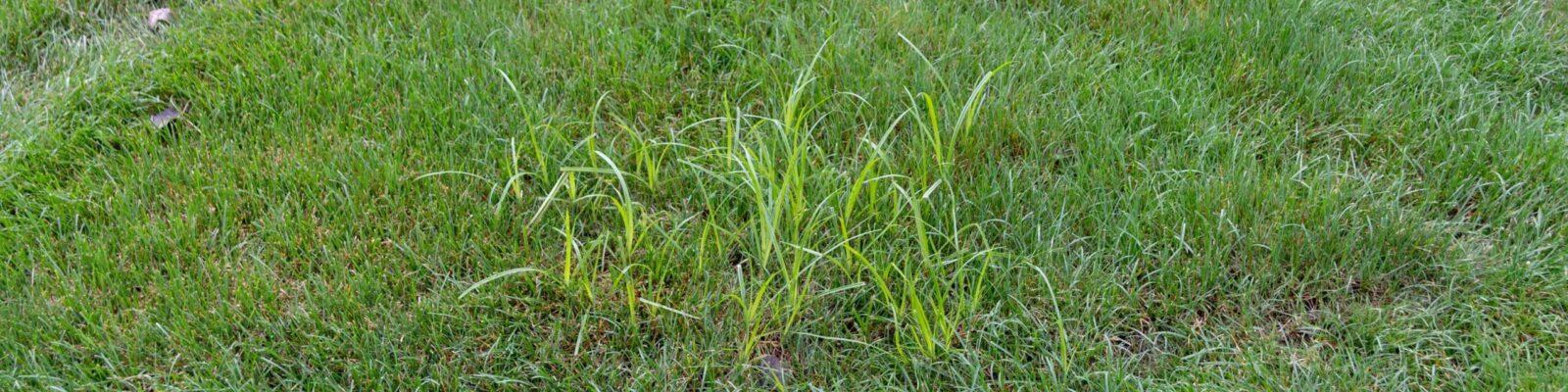
Close-up view of nutsedge weeds infesting a residential lawn, showing the distinctive tall sedge growth among regular grass blades. This common lawn weed requires professional removal and control trea
Final Thoughts on Nutsedge Management
When to Seek Professional Help
For many homeowners, tackling nutsedge can become overwhelming. When home methods fall short, it’s beneficial to seek professional assistance. Expert input ensures that control methods are applied correctly and at the optimal times, leading to more effective management.
Reaching out to experts can help relieve the pressures of persistent infestations, consolidating results from personal and professional efforts together. Involving professionals can be a game changer, eliminating stress through dedicated minimal weed control burdens.
Conclusion and Resources
Managing nutsedge effectively requires a combination of knowledge, consistent practices, and at times, professional intervention. Here are some recommended resources:
- Utilizing Local Services: Engage with local lawn care professionals for tailored strategies.
- Accessing Online Tools for Lawn Care: Use available digital tools that offer insights into effective lawn management.
- Reading Up-to-Date Articles: Stay current with the latest methods by reading industry articles.
- Joining Local Gardening Clubs: Networking with fellow enthusiasts provides valuable tips and shared experiences.
- Consulting with Lawn Care Experts: Professional advice ensures appropriate interventions based on area-specific conditions.
These resources can enhance your lawn care toolkit, ultimately leading to a vibrant, nutsedge-free lawn.
Expert Lawn Consultation Available
Consult with our lawn experts to understand what your lawn needs for perfect growth.
Nutsedge Identification & Treatment FAQ
Nutsedge is a perennial weed, often mistaken for grass, that features triangle-shaped stems and grows faster than most grass species. Unlike typical grass, nutsedge thrives in moist conditions.
Effective nutsedge control requires specific techniques, as this plant has a different growth habit and lifecycle compared to grasses commonly found in lawns.
To identify nutsedge in your lawn, look for grass-like plants with a triangular stem and bright yellow-green leaves that grow more quickly and taller than the surrounding grass.
Effective nutsedge control begins with early and accurate identification, which can prevent widespread infestations and maintain your lawn's health.
The best treatments for nutsedge involve using a combination of manual removal and applying selective post-emergent herbicides that target nutsedge specifically.
Consistent lawn care practices, such as proper watering and mowing, will help prevent nutsedge from gaining a foothold and promote a thicker lawn that resists invasion.
Preventing nutsedge from returning involves consistent nutsedge control practices such as maintaining proper lawn care routines to strengthen your grass and reduce competition.
Additionally, implementing a pre-emergent herbicide application can prevent new nutsedge shoots from surfacing while selective post-emergent herbicides can target any existing nutsedge plants.