Understanding White Grubs
White grubs are a common issue for lawns, particularly in regions like Alabama. These pests, which are the larval stage of beetles such as Japanese beetles, can wreak havoc on grass roots, leading to significant lawn damage. Early detection and understanding of their behavior are crucial for effective white grub control, as this allows homeowners to implement timely interventions that can save their grass from extensive damage.
Impact on Lawns
White grubs feed on the roots of grass, creating brown patches that can easily be pulled up like a carpet. This feeding activity reduces the lawn’s ability to absorb water and nutrients, making it susceptible to drought and other stresses. Large populations of grubs can attract predators, such as moles and birds, which further exacerbate the damage. Recognizing these signs early can help in managing grub populations before the damage becomes irreversible.
Moreover, grubs often thrive in well-maintained lawns, making them an unexpected threat to areas that homeowners might assume are healthy. The grub control service can address severe infestations effectively. Understanding these pests’ patterns and behaviors is a critical step in preventing infestations from escalating.
Significance of Control
Implementing effective white grub control is significant due to the extensive damage they can cause to a lawn’s aesthetics and health. Proactive measures, such as applying preventive treatments at the correct time, can significantly reduce the risk of infestations. Knowing when to apply these treatments is vital, as mistiming can render them ineffective. Engaging with professionals can offer insights into the most effective Japanese beetle grubs control techniques that suit your lawn type and local conditions.
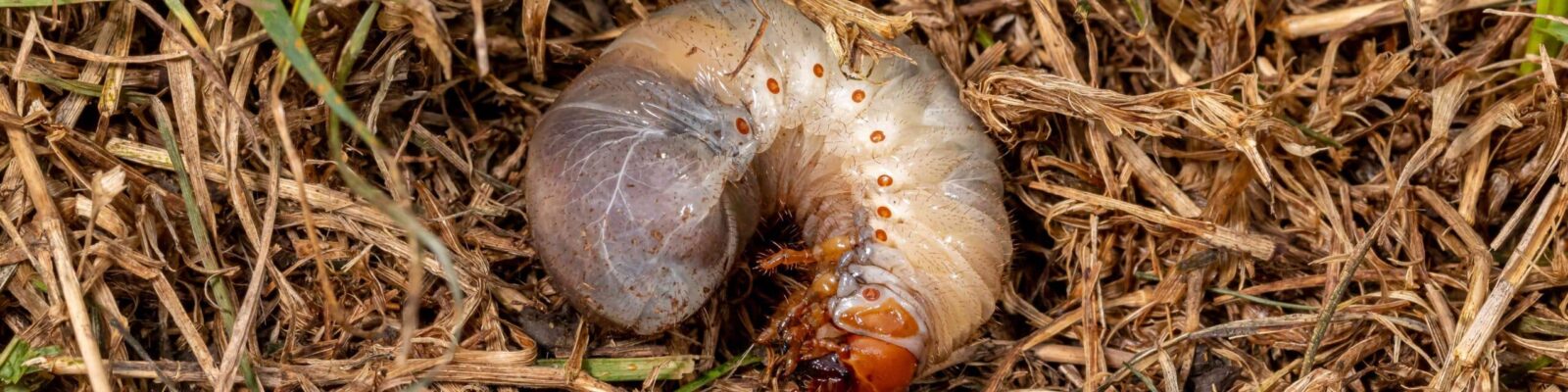
Close-up view of a white grub larva found in soil and grass thatch, showing characteristic C-shaped body, brown head, and orange-brown spiracles. Indicates potential lawn pest infestation requiring pr
Identifying White Grubs
White grubs are typically identified by their characteristic c-shaped bodies, creamy white color, and brown heads. They are most often found in the soil just beneath the surface. To determine if your lawn has a grub problem, look for signs such as patches of dead grass that pull up easily to reveal the insects underneath.
Life Cycle of White Grubs
Understanding the life cycle of white grubs is vital for successful lawn pest control. This cycle spans several stages:
- Egg Stage: Adult beetles lay eggs in the soil during the summer. These eggs hatch into larvae within a few weeks.
- Larval Stage: The larvae, or grubs, feed on grass roots during late summer and fall before burrowing deeper into the soil to overwinter.
- Pupal Stage: Grubs enter the pupal stage in late spring to early summer, emerging as beetles to continue the cycle.
Monitoring Grub Populations
Regular monitoring is essential for managing white grub populations. You can do this by setting up sample areas in your lawn where you periodically check for grubs. An effective approach is to dig small sections of your lawn regularly throughout the peak seasons of grub activity. Early detection enables timely interventions such as a sod webworm treatment or yard flea treatment for comprehensive pest control strategies.
Healthy Lawn Practices
Maintaining a healthy lawn is the first step in prevention against white grub infestation. A robust lawn can withstand some grub activity without significant damage. Practices such as regular mowing, proper fertilization, and adequate watering are essential. Healthy grass can recover more quickly from damage and is less likely to suffer from large infestations.
Preventive Treatments
Preventive treatments are most effective when applied before you notice significant damage. For grubs, this often means applying a grub preventative treatment in late spring or early summer when grubs are active but small and easier to control. Consider coordinating with services that offer integrated pest management solutions. These treatments not only target existing grubs but also diminish the likelihood of future infestations by disrupting the grub life cycle.
If your lawn is prone to other issues such as weeds, integrating dandelion control and nutsedge control can further enhance your lawn’s resilience and reduce competition for resources, keeping grubs from ravaging an already stressed lawn.
Seasonal Care Tips
Proactive seasonal lawn care is essential for minimizing white grub damage. In fall, focus on removing debris and maintaining soil aeration to enhance root growth. During spring, pay special attention to fertilization and weed control. Before the grubs emerge, ensure your lawn is in optimal health, as robust growth will support seasonal regrowth and mitigate pest impact.
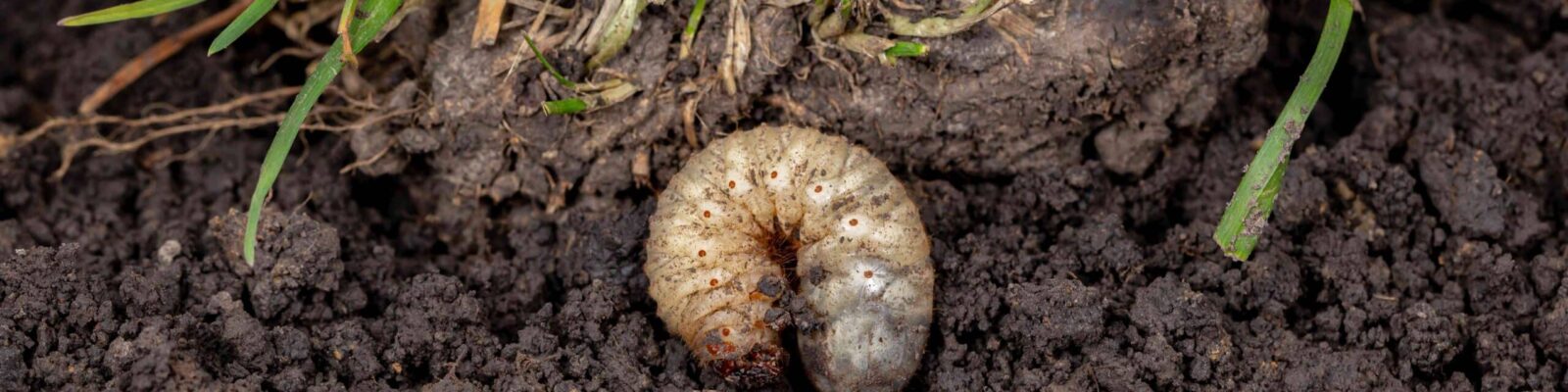
Close-up view of Japanese beetle grubs in dark soil among grass roots. These lawn-damaging larvae are shown in their natural underground habitat, demonstrating the pest identification needed for effec
Cultural Control Methods
Cultural control methods emphasize maintaining lawn health through non-chemical means. These include regular aeration, proper irrigation techniques, and maintaining soil pH at optimal levels. A well-cared-for lawn provides natural resistance to pests like white grubs.
Biological Control Options
Biological control involves using natural predators or microbial agents to reduce white grub populations. Beneficial nematodes are an effective option; they infect and kill grubs without harming beneficial insects. Similarly, applying milky spore disease can gradually reduce grub numbers as it spreads through the population.
These biological solutions are environmentally friendly and safe for pets and humans, offering peace of mind to those concerned about chemical pesticides.
Chemical Treatments
When natural and cultural methods don’t suffice, chemical treatments can provide effective white grub control. Strategic application timing is critical. Apply grub killers in early to mid-summer when the larvae are young and more vulnerable to treatment. Products with active ingredients such as imidacloprid or chlorantraniliprole are popular for their effectiveness.
- Timing for Application: Apply when grubs are most active and susceptible, usually in early summer.
- Active Ingredients: Choose treatments with proven ingredients, like imidacloprid, for maximum efficacy.
- Safety Measures: Follow label instructions carefully to minimize risks to pets and the environment.
Consulting a fire ant treatment expert can ensure safe practices. Further help can be sought for tick control yard services, often provided by lawn care professionals.
Assessment of Damage
Before beginning treatment, assess the extent of grub damage on your lawn. Check for brown patches, test for resistance by lifting sections of grass to observe root damage, and measure grub presence per square foot. A threshold of 10 to 12 grubs per square foot often warrants intervention.
Treatment Protocols
Once you identify a significant grub problem, quick action is crucial. Apply appropriate grub killer solutions based on the population density and your lawn condition. Granular products work effectively when watered in thoroughly, ensuring the active ingredients penetrate where grubs feed.
Reassessing post-treatment is necessary to ensure grub population control, establishing the efficacy of treatments and planning further action. Lawn insect control measures can also be implemented to reduce re-infestation risks.
Post-Treatment Care
Following treatment, focus on lawn recovery. Fertilizing and over-seeding can help strengthen the grass, encouraging a swift return to its former health. Ensure consistent watering patterns to promote regrowth and mitigate any remaining stress on the turf.
Integrate these strategies with broader pest control techniques to bolster your lawn’s resilience. Lawn insect control can further protect from secondary issues arising from compromised grass health.
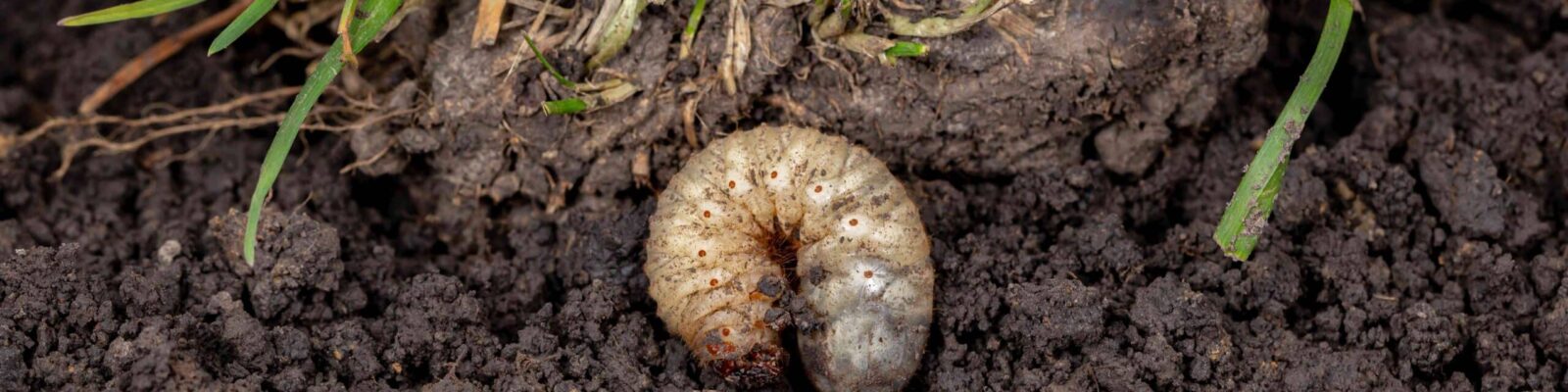
Close-up view of white grubs in moist soil with grass blades visible, demonstrating common lawn pest damage. These larvae require professional grub control services to prevent extensive turf destructi
Continuing Lawn Health Monitoring
Post-treatment, ongoing lawn health monitoring is essential to prevent future infestations. Regularly inspect your lawn for signs of distress, and be vigilant for new indicators of pest activity. This can involve scheduled walk-throughs or setting reminders to perform checks every few weeks.
Best Maintenance Practices
Adopting best maintenance practices helps sustain your lawn’s health and fortify it against pests like white grubs:
- Proper Irrigation: Water deeply and less frequently to encourage deep root growth.
- Regular Fertilization: Use a balanced fertilizer to supply essential nutrients and promote strong grass growth.
- Aeration Techniques: Aerate your lawn annually to enhance root systems and improve soil conditions.
- Mowing Practices: Maintain your grass at the correct height to preserve its vigor and density.
- Avoiding Excessive Stress: Minimize foot traffic on affected areas and refrain from cutting the grass too short.
Access more insights through our dollar spot disease management guide and comprehensive grub control services.
Summary of Best Practices
Effective white grub control combines proactive prevention, early intervention, and rigorous maintenance. By identifying and treating issues promptly, homeowners can protect their lawns from severe damage. Key practices include timely treatment application and ensuring proper lawn care routines.
Final Best Advice
For sustainable lawn care, blend preventive measures with periodic professional inspections. This approach not only maintains lawn health but also detects potential grub issues before they escalate. Establish a schedule that aligns with seasonal pest activity, and adjust based on specific lawn needs.
Encouragement for Lawn Care Enthusiasts
With dedicated efforts and strategic practices, anyone can maintain a lush and healthy lawn free from white grubs. Embrace challenges as learning opportunities and continuously improve your lawn care tactics. Seek guidance from services like flea and tick yard treatment and fire ant control service for comprehensive support in achieving your goals.
White Grub Control & Prevention FAQ
White grubs are the larval stage of various beetles and are among the most damaging lawn pests. They feed on grassroots, causing brown spots and thinning of the turf.
Implementing a grub preventative strategy using white grub control treatments helps in managing their population and preventing significant lawn damage.
A telltale sign of a grub problem is loose or lifting turf, as grubs feed on the grassroots. Early detection during the first mow of spring can guide timely intervention with white grub control measures.
Effective prevention includes applying a grub preventative before signs are visible, ensuring your lawn remains healthy and lush.
The best time to apply grub control is late summer to early fall, when grubs are small and close to the soil surface. This is when grub preventative treatments are most effective in intercepting the next generation of white grubs.
Grub prevention treatment should focus on these peak activity times for maximum impact, ensuring they do not mature and cause extensive lawn damage in the coming seasons.
Chemical treatments can be safe for pets if applied correctly and following the manufacturer's instructions. It's important to follow recommended guidelines, such as how to aerate lawn soon after treatment, to ensure that chemicals have adequately settled.
For lawn fungus treatment and other applications, always opt for pet-safe products and allow sufficient time before reintroducing pets to the treated area. Consult our lawn treatment professionals for products that meet safety standards for your family and pets.
Preventing grubs from returning requires a strategic approach using effective grub preventative treatments. Timing is crucial; apply preventive treatments in late summer when grubs are in their early developmental stages.
Regular lawn pest control visits can help to monitor for grubs and implement grub prevention treatment as needed, ensuring your lawn remains healthy year-round.
Signs of grub damage include brown spots in lawn that feel spongy underfoot, and grass that can be easily pulled up from the soil. It's essential to perform lawn disease identification to distinguish grub damage from other potential issues.
During your first mow of spring, closely inspect the lawn for these signs and consider a comprehensive pest management program to address and prevent further damage.
While some people choose to treat grubs themselves, hiring professional lawn care services ensures more effective and lasting results. Experts in lawn pest control can identify the severity of the infestation and apply targeted treatments.
Opting for a professional lawn service often results in better outcomes as they have access to advanced tools and pesticides that may not be available for DIY approaches. Contact a professional for customized lawn care services to effectively manage grub infestations.