What Are Japanese Beetle Grubs?
Japanese beetle grubs, notorious for their destructive habits, target grass roots, leading to extensive lawn damage. These grubs are the larval stage of the Japanese beetle, prevalent in North America, particularly throughout North Alabama. White grub control becomes essential as these pests feed extensively on grass roots during the cooler months, weakening and potentially killing your lawn.
A significant threat, especially to homeowners with sprawling lawns, these grubs overwinter in the soil. Emerging in spring, they resume feeding before developing into full-grown beetles by mid-summer. Understanding their lifecycle is crucial to effective management and utilizing a professional grub control service might be necessary when signs of infestation become apparent.
Symptoms of Infestation
Identifying a Japanese beetle grub infestation early can save your lawn significant damage. Several symptoms can help you recognize if your lawn is under attack by these persistent pests. The initial indication of an infestation typically includes patchy areas of grass that appear brown and thinning.
As these grubs feed on the roots, you may observe grass that is easy to pull up, almost as if it has been recently sodded. Skunks and other wildlife digging up your lawn is another clear sign, as they forage for a grub meal. Prompt attention and implementing tick control yard measures could mitigate further complications.
For optimal lawn care management, it’s advisable to combine visual symptoms with professional assessments from a fire ant treatment expert to confirm the presence of grubs.
Understanding the Life Cycle
The Japanese beetle grub undergoes a complex life cycle that gardeners and lawn owners must understand for effective pest management. These grubs hatch from eggs laid in mid-summer and immediately begin feeding on grass roots until late autumn when they burrow deeper into the soil to overwinter.
In spring, they return to the upper soil layers to resume feeding, becoming adult beetles by early summer. This transition marks the start of a new life cycle phase, where adult beetles are known to severely damage foliage. Awareness of their lifecycle stages can guide timely interventions, such as when to put down grub killer for maximum efficacy.
Utilizing lawn pest control strategies based on life cycle knowledge can effectively manage and prevent infestations, thereby sustaining lawn health across seasons.
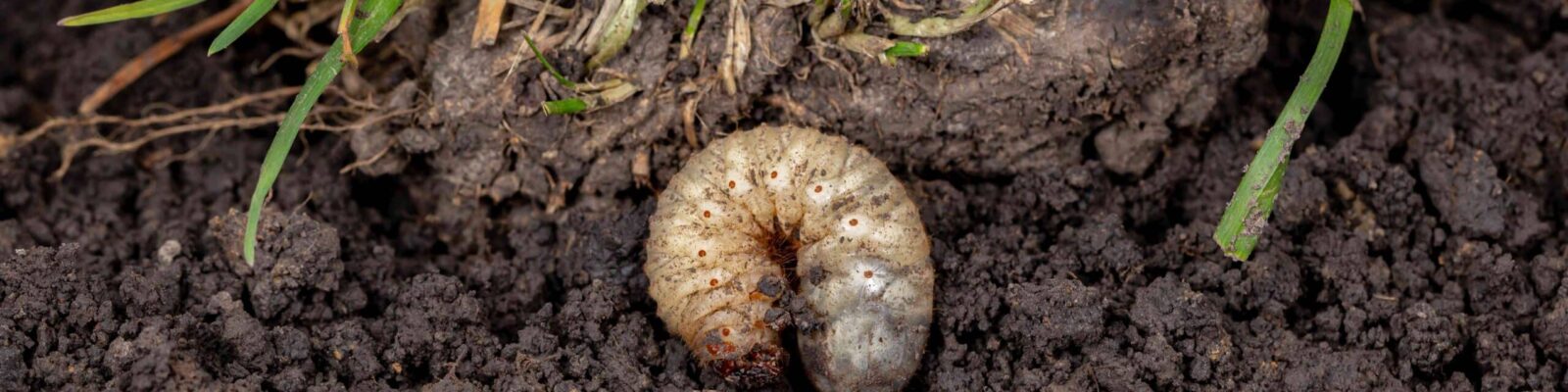
Close-up view of Japanese beetle grubs in dark soil among grass roots. These lawn-damaging larvae are shown in their natural underground habitat, demonstrating the pest identification needed for effec
Timing Your Control Efforts
Timing is a critical factor in Japanese beetle grub control, aligning treatments with their lifecycle stages ensures optimized results. Applying yard flea treatment and similar methods during the late summer to fall, when grubs are actively feeding, is most effective.
For preventative measures, early spring treatments before full beetle emergence are pivotal. Monitoring soil temperatures can also indicate the right time to initiate action. Most chemical applications should be timed when soil temperatures reach about 70 degrees Fahrenheit, a prime condition for insecticide efficiency.
Control Methods
There are numerous strategies available for controlling Japanese beetle grubs effectively. Each method has its own advantages, suitable for different scenarios:
- Chemical treatments: Using chemical insecticides targeted at grubs can offer quick and reliable control.
- Granular insecticides: These products are spread across large areas for widespread control.
- Biological controls: Utilizing natural predators or pathogens to reduce grub populations.
- Cultural practices: Altering watering schedules and mowing heights can reduce grub survival rates.
- Soil aeration: Improves soil conditions, making it less conducive to grub habitation.
- Water management: Regulates soil moisture to combat pest proliferation organically.
- Organic options: Neem oil and other natural products can deter grubs without chemicals.
- Regular monitoring: Frequent inspection aids in early detection and intervention.
Each method can contribute significantly to reducing grub populations, enhancing long-term lawn health, maintaining your landscape’s aesthetic appeal. However, sometimes a combination might be necessary, depending on grub severity and lawn conditions.
Involving Professionals
While many homeowners take a DIY approach to grub control, involving professional pest management services can provide tailored solutions and robust protection. Experts can recommend specific treatment plans based on detailed assessments of your lawn’s condition, including necessary sod webworm treatment.
Professional services can efficiently apply products at correct rates and times, significantly increasing effectiveness. Additionally, they provide ongoing monitoring and timely adjustments to your pest control strategy. This proactive approach helps avoid major damage and keeps your lawn healthy year-round.
For a more comprehensive plan, experts can also address related issues such as armyworm control and chinch bug control, providing a holistic solution to pest management.
Maintaining Healthy Soil
Healthy soil forms the foundation of effective long-term prevention against Japanese beetle grubs. Adequate soil health not only deters pest infestations but also supports vigorous grass growth capable of withstanding minor grub attacks. Regular soil testing to maintain balanced pH levels is an essential practice.
Organic matter addition enhances soil structure and fertility, promoting beneficial microorganisms that help control grubs naturally. Well-maintained soil promotes deep root systems, making turf less susceptible to grub damage. Regular fertilization adapted to specific needs is also recommended, along with lawn insect control measures tailored to your regional conditions.
Consider incorporating regular aeration and dethatching protocols to reduce compaction and enhance root health, ensuring a resilient lawn environment year-round.
Choosing the Right Grass
The selection of grass species plays a pivotal role in preventing and mitigating Japanese beetle grub damage. Some grass varieties are notably more resistant to pest infestations than others, making them an essential consideration in your lawn design.
Tall fescue, for example, is known for its robust root system that can better withstand grub feeding than other types. Additionally, selecting grasses suited to the North Alabama climate can further contribute to resistance, reducing the need for frequent intervention.
Varieties that grow quickly, like ryegrass, repair damaged patches rapidly and prevent extensive bare spots susceptible to infestations. Coordinating grass types with seasonal care strategies creates a formidable defense against grubs.
Seasonal Lawn Care Tips
Effective year-round lawn care is crucial for preventing the recurrence of Japanese beetle grubs. Each season requires specific actions to maintain optimum grass health and resilience.
During spring, focus on fertilizing and reseeding thin areas, boosting overall strength before grub activity heightens. Summer maintenance should include vigilant watering practices to maintain moisture, aiming to deter flea and tick yard treatment conditions.
In fall, aeration and overseeding can help prepare your lawn for winter, reducing stress and encouraging new growth. Lastly, during winter months, reduce traffic on dormant grass to prevent unnecessary stress. Implementing these tips consistently can help you prevent issues like grass turning yellow and support a lush lawn.
Upgrade to VIP Lawn Service
Join our VIP program for exclusive lawn services ensuring the highest standards of care for your property.
Best Timing for Applications
Knowing when to apply grub control is vital to ensure effective pest management. The most promising period for treatments is late summer to early fall, aligning precisely with peak feeding activity of grubs. Monitoring local pest cycles alongside temperature shifts helps guide accurate timing.
Application in early spring is also effective when combined with lawn insect control options. Mid-season treatments less effective as grubs are less active, reducing product efficacy and potential turf recovery.
How to Apply Grub Control Effectively
Applying grub control requires precision to maximize effectiveness and lawn safety. It’s imperative to follow product instructions carefully, considering both application rate and timing. Granular products should be distributed evenly and watered thoroughly for activation.
Liquid applications are ideal for smaller, concentrated infestations, ensuring they penetrate deeply to target feeding grubs directly. To prevent recurrence, a dependable grub control service can be engaged to administer treatments safely, combining professional expertise with advanced methods.
Regardless of the treatment type, maintaining optimal application practices ensures your lawn recovers promptly, aiding in the reduction of pest populations.
Follow-Up Treatments
Consistency, through timely follow-up treatments, is essential for sustaining Japanese beetle grub control success. Monitoring for signs of damage or pest activity informs the need for additional interventions.
In some cases, retreatment may be necessary, particularly in heavily infested areas. Experts recommend a second application approximately six weeks after the initial treatment during heavy infestation periods.
Maintaining a flexible strategy that includes reapplication as needed, alongside regular maintenance and service areas collaboration, will promote a healthy lawn, ensuring minimal disruption to your outdoor environment.
Measuring Success
A successful grub control program involves regular and methodical evaluation to ensure its effectiveness. Homeowners should actively monitor their lawns for any signs of grub activity throughout the growing season.
Observing and documenting changes over time is crucial, focusing on indicators like improved grass health or reductions in visible beetle activity. Ground conditions should be assessed frequently to determine if soil amendments are needed, as these can impact treatment results.
- Monitoring for beetles: Identifying adult beetle presence can predict potential larval infestations.
- Checking grass health: Continuous observation helps determine overall lawn vigor post-treatment.
- Assessing soil condition: Healthy, well-aerated soil supports robust grass growth, preventing pest establishment.
- Reviewing treatment effectiveness: Assess treatment impact by measuring reduction in grub numbers.
- Adjusting strategies as needed: Adapt approaches based on monitoring feedback and changes.
- Engaging professional services: Use expert lawn care services for comprehensive assistance.
- Ensuring regular lawn maintenance: Consistency in care practices supports long-term soil and lawn health.
- Documenting changes: Record observations for future reference and strategy optimization.
Continued Education on Turf Management
Education is key to managing Japanese beetle grubs effectively. Homeowners should stay informed about best practices and emerging pest management strategies.
Participating in workshops, webinars, or fire ant control service programs can expand a homeowner’s knowledge base, improving their ability to manage pest issues. Likewise, collaborating with community initiatives for pest education can foster a more informed neighborhood, ultimately enhancing collective lawn health.
Staying abreast of the latest research and trends ensures you consider both conventional and advanced methods, ultimately supporting a healthy lawn throughout the year.
Involving Your Community
Engaging with your local community can strengthen lawn pest control efforts. Sharing knowledge and resources with neighbors enriches collective capabilities, supporting widespread pest prevention and management.
Organizing community-based lawn care activities or cooperative pest control programs fosters unity, improving the effectiveness of individual efforts. Neighbors can collaborate on bulk service agreements for treatments like flea and tick yard treatment, resulting in cost savings and enhanced efficiency.
Through shared knowledge and proactive strategies, a community’s collective lawn health improves, paving the way for sustained pest-free living.

Happy family playing together on a vibrant, healthy green lawn during summer. Children enjoy water spray from hose while mother supervises on well-maintained yard, demonstrating professional lawn care
Final Thoughts on Grub Control
Effectively managing Japanese beetle grubs involves a comprehensive approach that includes proper timing, diverse control methods, and active monitoring. Understanding their lifecycle and implementing timely interventions are crucial and can significantly impact the success of management efforts. Ultimately, the goal is to sustain healthy, resilient turf across all seasons.
An integrated pest management strategy incorporating preventative measures, along with dandelion control and other weed management practices, ensures comprehensive lawn care. Educating yourself and your community about best practices can provide long-lasting protection.
For assurance and security, involving professional services for assistance might be beneficial. Experts can offer tailored crabgrass control solutions in conjunction with grub management to protect your lawn from multiple threats and maintain an inviting outdoor space.
Connecting with Professionals
Utilizing professional services can significantly enhance your pest management efforts. Their expertise and access to advanced treatments can provide added security for your lawn’s health.
- Local treatment options: Engagement with local experts familiar with regional pests for tailored solutions.
- Seasonal care services: Regular maintenance cycles addressing specific seasonal challenges.
- Customized treatment plans: Plans tailored to meet unique lawn and pest requirements.
- Expert consultations: Professional advice on implementing efficient control tactics.
- Community resources: Sharing expert resources among neighbors for mutual benefit.
- Learning opportunities: Workshops and seminars for continuous education.
- Online guides and FAQs: Accessible information for immediate inquiry solutions.
Choosing reliable professionals for consultations and longer-term service engagements can help navigate complex pest landscapes effectively, focusing on sustainable outcomes.
Encouraging Sustainable Practices
Sustainability in lawn care means adopting practices that promote a healthy lawn without excessive resource use. This includes incorporating environmentally friendly pest management solutions, like using organic treatments that target pests while preserving beneficial organisms.
Practices like employing a broadleaf weeds management approach also prevent unnecessary chemical use, thus supporting overall environmental health. In addition, encouraging natural predators such as birds encourages the control of pest populations, reducing reliance on chemical interventions.
Sustainable practices not only protect your lawn but also contribute positively to the broader ecosystem, aligning pest control efforts with eco-friendly initiatives for the well-being of your family home environment.
Eco-Friendly Lawn Solutions
Commit to green. Our eco-friendly services enhance lawn health while protecting the environment.
Japanese Beetle Grub Control FAQ
Signs of a Japanese beetle grub problem include irregular, spongy patches on the lawn that can be easily lifted, revealing feeding grubs underneath. Additionally, birds or small mammals may be frequently seen foraging in your lawn, as they feed on grubs.
If you notice such signs, it's wise to pursue lawn pest control solutions early to minimize damage. Timely interventions can prevent significant harm and protect the integrity of your lawn from these pests.
The best time to apply grub control treatments is when grubs are young and actively feeding near the soil surface. Typically, late summer to early fall is the ideal window for applying a grub preventative or grub killer to achieve the best results.
Monitoring local weather conditions and pest activity can help in precisely timing these applications. For personalized treatment schedules, consider consulting with lawn care professionals who specialize in identifying when to put down grub killer for optimal effectiveness.
Yes, there are organic options for grub control that can be equally effective while being environmentally friendly. Beneficial nematodes are a popular organic grub preventative that can naturally reduce grub populations in your lawn.
It's advisable to consult with a trusted lawn service company to explore organic methods suited for your specific lawn conditions. Adopting organic practices not only helps manage grubs but also enhances soil health and biodiversity.
Maintaining a healthy lawn to prevent grubs involves regular lawn care practices such as proper fertilization, mowing at the right height, and consistent watering schedules. Healthy turf can better withstand grub damage and recover more quickly.
Fall weed control and organic soil amendments can improve lawn resilience, reducing the likelihood of grub infestations. Regular inspections and a balanced lawn care approach can keep your grass robust and less susceptible to grub damage.
The life cycle of Japanese beetle grubs begins with adult beetles laying eggs in your lawn during the summer. These eggs hatch into grubs, which then feed on grass roots throughout the late summer and fall, causing damage to your lawn.
As temperatures drop, these grubs burrow deeper to overwinter before surfacing in the spring to continue feeding and pupating into adult beetles. Understanding this cycle helps in applying effective grub preventative measures at the correct time to minimize damage.
Regular inspections are key to maintaining a healthy lawn. It's recommended to inspect your lawn for pests at least once per month during peak seasons when pest activity is high. Early lawn pest identification can help prevent minor infestations from becoming major problems.
Look for signs such as discolored patches, wilting, or areas of grass that have been pulled up. If you suspect a pest problem, professional lawn pest control services can provide a more thorough inspection and treatment plan to protect your lawn.
Grub control products are designed to target specific soil-dwelling pests like Japanese beetle grubs while aiming to minimize harm to beneficial insects. However, some non-selective chemical grub preventatives may impact helpful insects if not used correctly.
To avoid unintentional harm, consider targeted treatments and explore integrated pest management strategies or organic alternatives for fall weed control. A professional lawn care provider can guide you on the best practices for using grub control products responsibly.