Understanding Bermuda Grass
Bermuda grass is a popular choice for lawns in warmer regions due to its lush carpet-like appearance and resilience. It thrives especially well in the sunny climates of Alabama grass types, making it an excellent choice for enhancing curb appeal. Warm season grasses like Bermuda require specific care for optimal growth.
Why Proper Care is Essential
Proper care of Bermuda grass is essential to maintain its vibrant look and prevent issues such as pests and diseases. By following a regular maintenance routine, you ensure the grass stays healthy and keeps your lawn looking its best year-round.
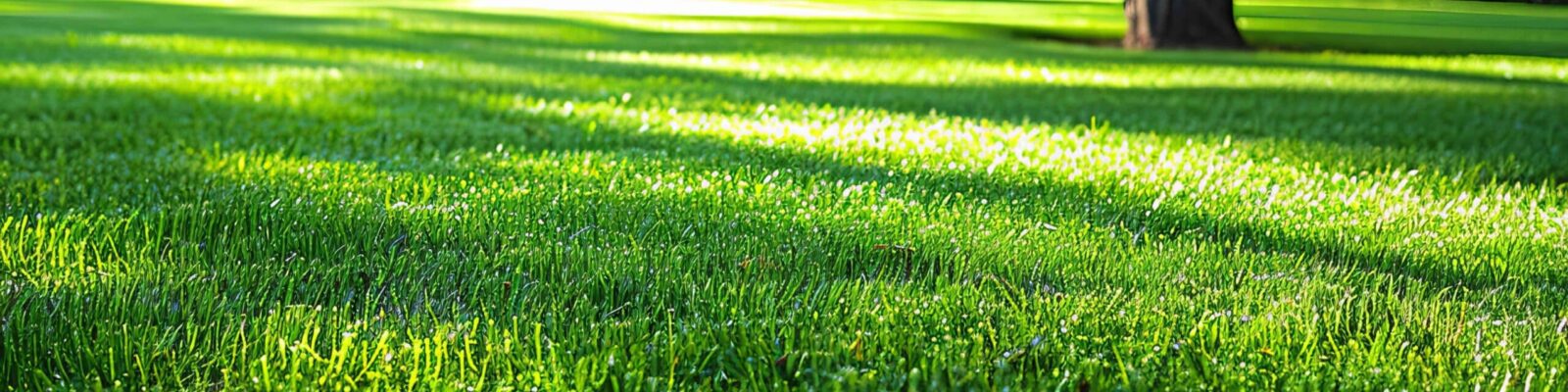
Beautiful, well-maintained Bermuda grass lawn featuring vibrant green turf with dappled sunlight under mature shade trees. Demonstrates the results of professional lawn care and maintenance for health
Mowing Height and Frequency
Maintaining the correct mowing height is crucial for Bermuda grass care. Ideally, you’ll want to mow the grass to a height of about 1 to 1.5 inches. Regular mowing, approximately every 5 to 7 days, helps in stimulating growth and maintaining a healthy lawn.
Watering Needs
Effective watering is vital for keeping Bermuda grass healthy:
- Daily watering in hot seasons– Consistent watering in the morning is recommended during the peak of summer to combat the heat.
- Deep watering practices– Encourage deep root growth by watering deeply rather than frequently.
- Adjusting frequency based on rainfall– Modify your watering schedule based on local rainfall to prevent overwatering.
Fertilization Schedule
The best fertilizer for Bermuda grass should be applied four times a year. Use a high-nitrogen formula during the active growing season for best results, allowing for lush, green growth.
Identifying Common Problems
Bermuda grass is relatively resilient, but it can face issues like brown patches, pests, and weed invasions. Early lawn disease identification helps in handling these concerns before they worsen.
Treatment Options
Handling problems with Bermuda grass effectively involves:
- Pest control methods– Utilize appropriate insecticides to manage pests common in Bermuda lawns.
- Fungicide application– Correct use of fungicides can treat and prevent fungal attacks that affect grass health.
- Nutrient deficiency signs– Recognize yellowing grass as a sign of nutrient depletion and address it with proper fertilization.
Preventive Measures
To prevent common issues, maintain a consistent care routine that includes proper irrigation and mowing, along with the mindful use of chemicals.

Detailed close-up photograph of vibrant Bermuda grass turf with morning dew, displaying healthy grass density and condition ideal for professional lawn care services and maintenance.
Seasonal Care Tips
Each season requires specific attention for Bermuda grass. For instance, transition your lawn care routine from summer watering techniques to preparations for colder months to keep your yard vibrant.
Long-Term Maintenance
For enduring health of your Bermuda grass:
- Regular soil testing– Conduct soil tests periodically to check nutrient levels and adjust fertilization accordingly.
- Aeration frequency– Aerate your lawn at least once a year to improve soil compaction and root growth.
- Adjusting care based on season– Tailor your care practices such as fertilization and mowing to match the growth cycle of your grass throughout the year.
Soil Quality and Type
The type of soil under your Bermuda grass significantly affects its care routine. Sandy soils might require more frequent watering, while clay soils can require special care before spring mowing.
Climate Considerations
Bermuda grass flourishes in the southern climate, with warm temperatures supporting its growth. Understanding how the regional winterizing lawn practices impact Bermuda is essential for year-round health.
Weather Patterns and Grass Health
Adapting to changing weather patterns ensures your Bermuda grass remains resilient. Adjust watering and fertilization based on seasonal conditions to avoid stress on the grass.
Benefits of Professional Care
Engaging professional lawn care services can alleviate the complexity and time commitment of Bermuda grass maintenance. Experts offer tailored solutions that save you effort while keeping lawns lush and healthy.
When to Consider Hiring Help
Consider professional assistance in these scenarios:
- Time constraints– If maintaining your lawn becomes too time-consuming, professionals can step in to handle the workload.
- Complexity of care– Specialized knowledge is sometimes required for advanced treatments and care techniques.
- Need for specialized equipment– Professionals have the tools required for efficient grass care management.
Say Goodbye to Lawn Pests
Our specialized pest control service ensures a pest-free lawn through eco-friendly practices.
Call for ServicesBermuda Grass Care Guide FAQ
The best time to fertilize Bermuda grass is during its active growing season, which spans from late spring through summer. Using the best fertilizer for Bermuda grass, usually a nitrogen-rich formula, will support vigorous growth and color.
Regular applications every 6 to 8 weeks during this period can help maintain a lush, healthy lawn. Consult with a lawn care professional to choose the best products and schedule for your specific soil conditions.
Watering Bermuda grass usually requires about 1 to 1.5 inches of water per week, which includes rainfall. It's best to water deeply and infrequently to encourage deep root growth, a key aspect of Bermuda grass care.
To get the best results, water in the early morning when temperatures are cooler to minimize evaporation and ensure the grass is dry by evening, reducing the risk of disease.
Common problems with Bermuda grass include susceptibility to thatch, pests, and diseases such as mites and lawn fungus, which can cause significant lawn problems if not addressed.
Regular monitoring and maintenance, like dethatching and pest management, form an important part of Bermuda grass care to prevent these issues from escalating.
Ensuring your Bermuda grass stays healthy year-round involves regular maintenance including mowing, watering, and fertilization. Fertilizing with the right balance of nutrients during the growing season is crucial for optimal growth.
Implementing a Bermuda grass maintenance routine that includes aeration and thatch removal will also help strengthen your lawn. For best results, consider a lawn care service tailored to Bermuda grass care.