Introduction to Broadleaf Weeds
Broadleaf weeds are a unique category of weeds that can have a significant impact on lawn health. They are distinguishable by their broad leaves, often contrasting sharply with the narrow blades of grass. Understanding what broadleaf weeds are is crucial for effective lawn management.
What are Broadleaf Weeds?
Broadleaf weeds encompass a variety of species with wide leaves. These weeds can often flower, producing seeds that can spread across the lawn if not managed properly. Identification is key, as different broadleaf weeds require different control methods.
Importance of Identification
Identifying broadleaf weeds is a crucial step in lawn care, helping tailor weed control methods to be more effective. Misidentification can lead to ineffective treatments and further lawn degradation.
With the right weed control service, homeowners can focus on getting precise identification and treatment recommendations for their lawn issues.
Impact on Lawn Health
Broadleaf weeds compete with your lawn for nutrients, water, and sunlight, impacting the overall health of the grass. Their presence can also make lawns appear untidy and neglected. Effective identification and control prevent damage and support a lush lawn.
For specific weeds like dandelions, using targeted dandelion control measures is essential to maintain lawn vigour and aesthetic.
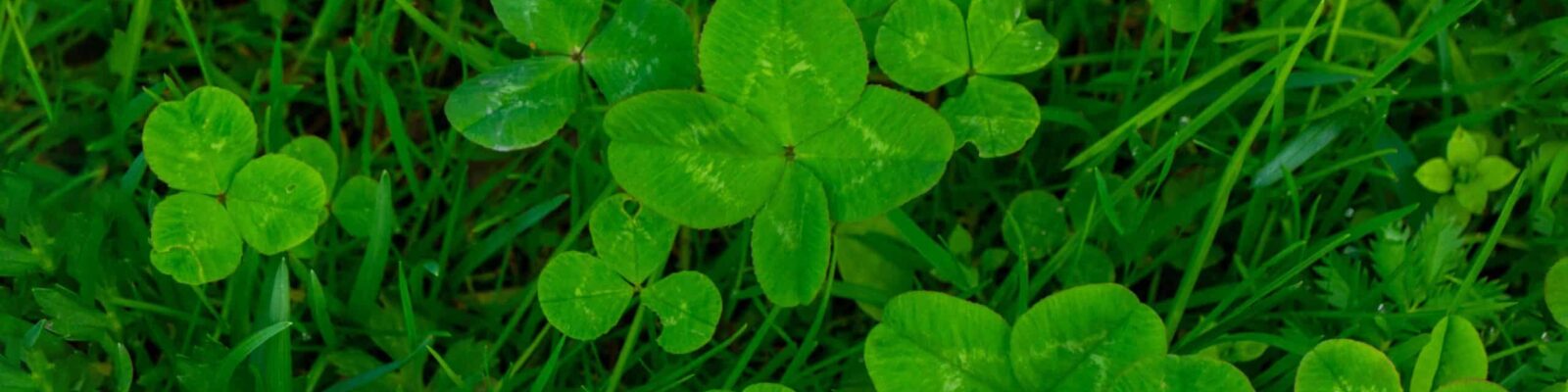
Detailed close-up photograph of clover plants with characteristic round leaves growing among grass blades. Shows common broadleaf weed infestation requiring professional lawn weed removal and control
Common Types of Broadleaf Weeds
North Alabama lawns often suffer from a variety of broadleaf weeds, each requiring specific strategies for control. Familiarity with these types can guide treatment efforts effectively.
Dandelions
Dandelions are one of the most recognized broadleaf weeds. They feature bright yellow flowers and deep taproots, needing persistent removal efforts. They can appear quite rapidly, especially in sunny spots.
Clover
Clover is another prevalent broadleaf weed, often found enriching the soil with nitrogen. While some see clover as beneficial, its spread can outcompete lawn grasses. Clover control is necessary when it dominates a lawn area.
Plantain
Characterized by broad, flat leaves, plantain thrives in compacted soils. Its shallow roots make hand removal feasible, and regular mowing keeps it in check.
Chickweed
Chickweed is a low-growing plant that competes for space and nutrients. Its small, star-like flowers require focused weed control service to manage effectively.
Buttercup
Buttercup infests lawns with its distinctive yellow flowers. Understanding its characteristics is crucial for control. Here are some key points:
- Description and Growth Habit: Buttercup spreads through rhizomes and seeds, often in damp, poorly-drained areas.
- Identifying Features: Bright yellow flowers with shiny petals and deeply lobed leaves.
- Typical Locations: Common in moist soils where grass struggles.
- Control Methods: Regular mowing and maintaining a healthy lawn minimize its spread.
- Environmental Impact: Can indicate underlying lawn issues such as poor drainage or nutrient deficiency.
- Prevention Techniques: Improve soil drainage and ensure appropriate nutrient levels.
Knowing these weeds supports targeted actions to reclaim lawn health.
Identifying Broadleaf Weeds
Accurate identification of broadleaf weeds is the foundation of effective lawn treatment. Knowing what to look for helps avoid incorrect actions that could damage grass.
Visual Identification Tips
Visual clues like leaf shape and flower types help in distinguishing broadleaf weeds. For instance, dandelions have puffball seeds, while clover displays trifoliate leaves.
Key Characteristics
Identifying weeds involves understanding characteristics such as:
- Leaf Shape: Broad leaves with varying shapes, often providing the key identification clue.
- Flower Color: Flower hues range from dandelion’s yellow to plantain’s inconspicuous spikes.
- Growth Patterns: Different habits, like spreading via runners or clumping growth, define each type.
- Seasonal Appearance: Some bloom in spring, while others like chickweed thrive in cooler months.
- Root Structures: Deep taproots like those in dandelions, or fibrous systems, which complicate removal.
- Common Habitats: They often favor disrupted soils, compaction areas, or fertilizers lack.
- Possible Look-alikes: Misidentification with similar foliage species can delay proper control.
Getting familiar with these traits can aid in accurate weed control services.
Using Identification Guides
Professional guidance and weed identification guides are valuable resources. They enhance the understanding of plant varieties, supporting meaningful intervention.
Partnering with lawn services ensures expert crabgrass control and dandelion control that protect lawn vitality.
Expert Lawn Consultation Available
Consult with our lawn experts to understand what your lawn needs for perfect growth.
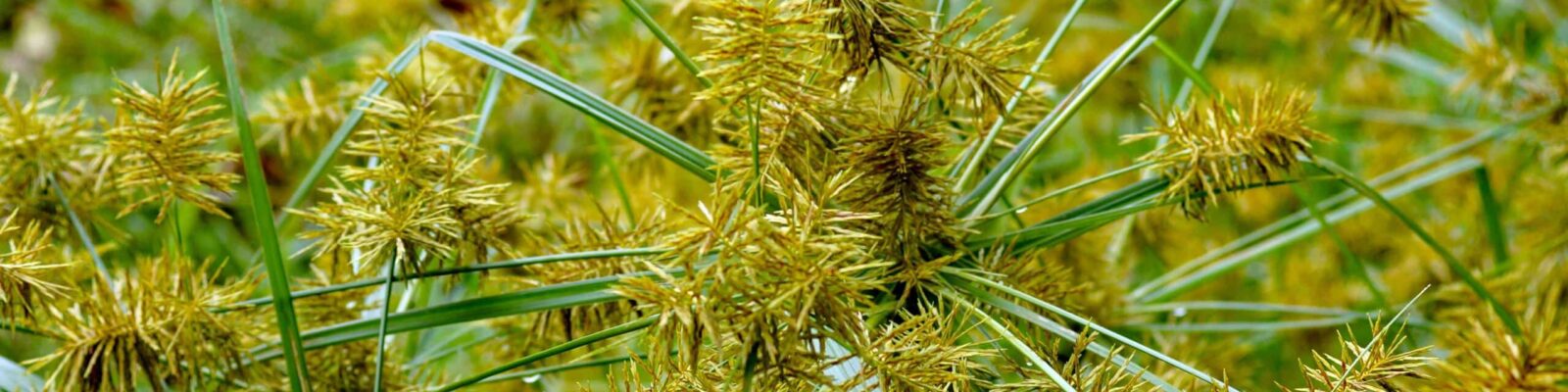
Detailed close-up photograph of yellow nutsedge weeds growing among grass. Nutsedge is a persistent lawn weed requiring professional weed control and removal services for effective management.
Controlling Broadleaf Weeds
Broadleaf weed control combines cultural, chemical, and physical methods to protect the lawn’s beauty and health. Knowing options ensures comprehensive management.
Cultural Control Techniques
Cultural techniques encompass practices promoting lawn health, such as adequate watering and proper mowing. A vigorous lawn naturally resists weed invasion, reducing reliance on chemicals.
Chemical Control Options
For stubborn weeds, chemical herbicides are effective. Selective herbicides target broadleaf weeds specifically, minimizing harm to grass. Consulting professionals helps avoid overapplication.
Be sure to consider professional weed control services for optimum results.
Integrated Pest Management
Integrated Pest Management (IPM) blends diverse practices like monitoring and prevention. It reduces chemical use by applying treatments when conditions favor weeds.
Prevention Strategies
Prevention starts with understanding the life cycles of broadleaf weeds:
- Proper Lawn Maintenance: Regular mowing and fertilization strengthen grass against weeds.
- Regular Monitoring: Frequent checks enabling timely interventions before major infestations.
- Healthy Soil Practices: Ensuring balanced pH and nutrients discourage weed growth.
- Mulching Techniques: Helps suppress weed seed germination.
- Understanding Weed Life Cycles: Knowledge aids in anticipating growth and timing control methods effectively.
- Timing of Herbicide Applications: Application during optimal weed growth stages enhances efficacy.
Holistic approaches protect your lawn from broadleaf weeds efficiently.
Long-term Management of Broadleaf Weeds
Sustaining a weed-free lawn requires ongoing monitoring and adjustment practices. Establishing strong foundations plays a pivotal role in keeping broadleaf weeds at bay.
Establishing a Healthy Lawn
Healthy lawns naturally fend off weeds. Establishing such a lawn involves proper selection of grass types, consistent care, and soil health focus.
Ongoing Monitoring and Adjustment
Monitoring fluctuations in lawn health ensures timely identification of threats. Appropriate adjustments, combined with seasonal strategies, enhance resilience to broadleaf incursions.
Professional lawn services are pivotal in conducting effective weed control service regularly.
Community Practices
Effective weed management involves community efforts:
- Local Weed Management Programs: Fosters collective efforts to address common weed issues.
- Community Education: Raises awareness about effective lawn maintenance strategies.
- Collaborative Gardening Techniques: Sharing best practices enhances community lawn care outcomes.
Sharing resources aids in preventive initiatives.
Tools and Resources
Utilizing the right tools streamlines management. Resources from local lawn care experts and educational guides provide solid support in continuous pre-emergent applications.
Conclusion and Key Takeaways
Broadleaf weed management integrates identification, prevention, and control for lawn success. Homeowners benefit from understanding these processes to sustain vibrant lawns.
Summary of Key Points
Focusing on weed identification, understanding growth patterns, and employing control methods fortifies lawn health. Prevention through cultural care ensures weeds remain limited.
A weed control service supports sustaining efforts through expert solutions.
Call to Action
Actively engaging in lawn management practices prevents weed reemergence. Reach out to professional lawn services for personalized advice and assistance.
Additional Resources
Leverage these resources for further learning:
- Local Lawn Care Experts: Provide personalized solutions to lawn challenges.
- Educational Websites: Offer a plethora of information on pest management.
- DIY Lawn Care Guides: Assist in understanding the nuances of routine lawn upkeep.
For specialized needs like brown patch fungus control, resources are integral to ongoing lawn care strategies.
Custom Lawn Care Solutions
Get personalized plans tailored to your lawn’s specific needs for vibrant results.
Contact Us TodayBroadleaf Weeds: Identification & Control FAQ
In Alabama, some of the most common broadleaf weeds include clover, dandelion, and chickweed. These weeds thrive in lawns due to favorable weather conditions and can be quite resilient.
Identifying these broadleaf weeds early is crucial for control. Regular monitoring and maintenance as part of a holistic lawn care approach can prevent these nuisances from taking over your lawn.
To effectively control broadleaf weeds in your lawn, consider using specialized herbicides that target these types of weeds but are safe for grass. Applying a pre-emergent herbicide in early spring can prevent the growth of broadleaf weeds before they start.
If you're dealing with an active infestation, a post-emergent herbicide will help. For comprehensive care, our weed control service can tailor a program designed for the specific needs of your lawn.
Using chemical herbicides comes with certain risks, primarily related to potential environmental and health effects. Incorrect application can harm non-target plants, beneficial insects, and may pose risks to pets and humans if not used according to guidelines.
Effective lawn pest control should balance chemical use with integrated pest management practices, prioritizing organic or less harmful alternatives and preventing over-reliance on chemicals.
The best time to apply weed control methods depends on knowing when to apply pre-emergent herbicides. Ideally, this should be done in early spring before weed seeds start germinating, which often corresponds to soil temperatures reaching 50°F to 55°F.
Further applications can be made in the fall to control winter annuals. Timing and frequent assessments of your lawn's needs ensure optimal weed control throughout the growing season.
Preventing broadleaf weeds from returning requires a combination of cultural practices and strategic herbicide applications. Begin with a consistent lawn care routine, including proper mowing, fertilization, and irrigation to encourage dense, healthy grass growth.
Additionally, use a lawn weed control service to apply a pre-emergent herbicide in early spring and post-emergent treatments as needed. Regularly inspecting and removing weeds early ensures long-term control and a lush, weed-free lawn.