What is Centipede Grass?
Centipede grass is a popular choice for lawns, especially in the southeastern United States. This warm-season grass is known for its low-maintenance requirements and distinctive lime-green color. It’s a slow-growing grass that forms a dense, compact turf, making it an ideal choice for homeowners looking for a lawn that doesn’t demand frequent mowing.
The grass is highly sought after due to its ability to thrive in poor soil conditions and its tolerance to heat. Its slow vertical growth reduces the need for constant care, allowing you to enjoy a lush lawn without high maintenance. Despite its preference for acidity, centipede grass stands out due to its light mowing requirement and ability to maintain its structure.
Proper identification is essential in maintaining a healthy lawn. Centipede grass can be distinguished from other grasses by its creeping stolons and lawn coverage capability. It is also remarkably similar in ways to other common types like Bermuda grass, yet it offers unique attributes that make it special.
Benefits of Centipede Grass
Centipede grass is praised for its minimal upkeep needs, making it an efficient option for those seeking a stunning lawn with less effort. Below are some of the top benefits:
- Drought Resistant: Centipede grass is particularly resistant to drought, requiring less water than many other grass types, which is ideal during dry seasons.
- Low Fertilization Needs: This grass benefits from low to moderate fertilization, reducing the frequency and cost of lawn feeding schedules.
- Pest Resilience: This type of grass is naturally pest-tolerant, minimizing the need for chemical interventions.
However, it’s important to understand how to properly manage conditions so that the grass retains its health and vigor, especially in areas like Alabama where such grasses thrive.
Common Uses of Centipede Grass
Centipede grass is commonly utilized in residential lawns, commercial landscapes, and public parks. Its ability to adapt to various environmental conditions makes it a favorable choice for non-irrigated areas. Landscapers also highly value it for its aesthetic appeal and its capacity to retain a consistent color and texture without significant intervention.
Moreover, centipede grass is ideal for erosion control due to its tight-knit growing habit. The grass provides excellent coverage that can stabilize soil and prevent erosion in sloped areas. Its adaptability to different climatic challenges further enhances its utility in various landscaping applications.
This grass is efficiently used for low-traffic areas, ensuring that you enjoy a green space without frequent repairs or replacements. Explore more about Bermuda grass care and Zoysia grass care for even more options.

Beautiful residential backyard featuring a well-maintained centipede grass lawn surrounded by mature trees, flowering shrubs, and a wooden privacy fence. Perfect example of professional lawn care resu
Watering Needs
Centipede grass is drought-tolerant but performs best with regular, deep irrigation. It’s important to water your lawn deeply once a week rather than frequent shallow watering. Consistent moisture encourages deep root growth, which enhances drought resistance during dry periods.
During periods of extended heat or drought, more frequent watering may be necessary. However, overwatering can lead to fungal diseases, so it’s crucial to allow the top layer of soil to dry out between watering sessions. Monitoring rainfall and adjusting watering schedules accordingly ensures that your centipede grass remains healthy and resilient.
For a comprehensive understanding of Alabama grass types and their watering needs, refer to specialized guides that focus on regional specifics.
Fertilization Tips
Proper fertilization is critical to optimizing centipede grass health and color. While it’s considered low-maintenance, a thoughtful approach to fertilization can enhance its appearance:
- Use a slow-release fertilizer: Choose slow-release fertilizers to provide a consistent nutrient supply without overwhelming the grass.
- Best time to fertilize is in spring: Apply fertilizer in early spring to provide essential nutrients as the grass begins its active growth period.
- Avoid over-fertilizing: Excess nutrients can harm centipede grass and promote weed growth. Stick to recommended dosages to prevent over-fertilization.
- Soil test for nutrient needs: Conduct soil tests to determine exact nutrient requirements, ensuring targeted and effective fertilization.
These small but effective differences can significantly extend the usability of your lawn, allowing it to maintain its luster.
Mowing Height
Routine mowing is essential for maintaining the quality and appearance of centipede grass. The ideal mowing height for centipede grass ranges between one to two inches. This height encourages a dense and lush lawn, reducing the potential for weeds to take root.
Mowing should be frequent enough to prevent cutting more than one-third of the grass height at a time. Excessive cutting can stress the grass, increasing susceptibility to pests and diseases. It’s also recommended to keep mower blades sharp to ensure clean cuts that minimize damage to the grass blades.
Consistently managing lawn health and structure improves with proper identification, for more on this, visit grass identification.
Pest Management
Pests are a natural part of lawn ecosystems, but they can become problematic if not managed. The most common pests affecting centipede grass include mole crickets, grubs, and chinch bugs. Regular monitoring and early detection are key to effective pest management.
Using insecticidal treatments can help manage these pests if populations become large. However, it’s better to limit chemical use, focusing instead on cultural practices like maintaining healthy grass and encouraging natural insect predators. Integrated Pest Management (IPM) strategies that incorporate environmental control methods will help to reduce reliance on chemicals.
Different seasons bring different challenges, consult guides on managing warm season grasses for more detailed solutions and interventions.
Diseases Affecting Centipede Grass
Understanding common diseases is essential for maintaining a healthy lawn. Major diseases affecting centipede grass include brown patch and dollar spot. Both are fungal diseases often exacerbated by improper watering and poor lawn care practices.
Preventative measures are the best defense against these diseases. Ensure proper watering, avoid evening watering, and foster good air circulation to reduce moisture retention, which can promote fungal growth. Implementing robust fertilization strategies can also strengthen the grass, making it resilient to disease.
Identifying signs early through diligent vigilance allows for appropriate treatments and avoids extensive damage. For more, see our detailed guide on lawn disease identification.
Weed Control Strategies
Weeds compete with centipede grass for nutrients, water, and light. Common lawn weeds include chickweed and crabgrass. Preventing invasions involves both proactive and reactive strategies.
Maintaining dense turf through proper mowing and fertilization practices helps prevent weed establishment. For existing weeds, selective post-emergent herbicides can be applied carefully to minimize risks to the grass. Hand pulling is effective for small infestations but may not be feasible for larger areas.
For robust preventative strategies and helpful maintenance tips, consult resources on maintaining warm season grasses.
Say Goodbye to Lawn Pests
Our specialized pest control service ensures a pest-free lawn through eco-friendly practices.
Call for Services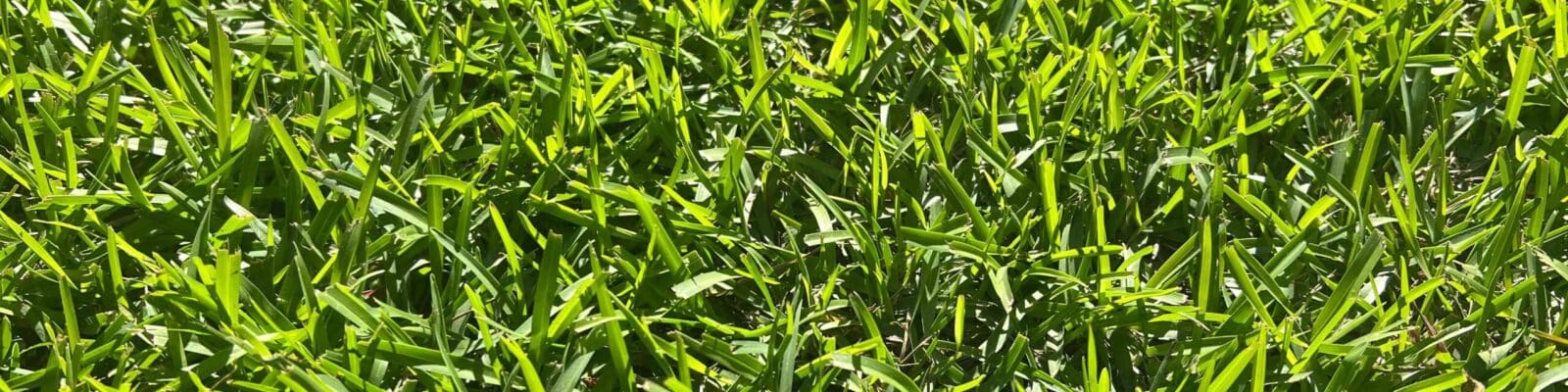
Detailed close-up photograph of lush centipede grass displaying vibrant green blades and thick turf density. Perfect for lawn care education and demonstrating healthy grass maintenance results from pr
Centipede Grass vs. Bermuda Grass
Centipede grass and Bermuda grass are popular choices in warm climates, each offering distinct advantages. Centipede grass is well-known for its low maintenance, requiring less frequent mowing and fertilization compared to Bermuda grass. Its tolerance to moderate shade also grants it a unique advantage in less sunny areas.
Bermuda grass thrives in full sunlight and is more aggressive than centipede grass, making it ideal for high-traffic areas such as sports fields. However, this aggressiveness requires more frequent management to prevent it from invading landscapes. If low maintenance is a priority, centipede grass often emerges as the preferred choice.
Both grass types play important roles in lawn care, and choosing between them depends largely on personal lawn care goals. For deeper insights, consider guides on St Augustine grass as another wonderful option.
Centipede Grass vs. Zoysia Grass
Zoysia grass and centipede grass offer distinct characteristics suited for various lawn care needs. Zoysia grass is well-regarded for its soft texture and visual appeal, providing a luxurious feel that’s excellent for recreational areas.
Conversely, centipede grass is more suited for low-maintenance environments, requiring less fertilization and demonstrating resilience in less favorable conditions. Zoysia’s dense growth helps it withstand foot traffic, whereas centipede grass maintains a more delicate balance of both aesthetics and practicality.
Both are suitable choices, and their selection can depend on environmental factors and maintenance preferences. Technical resources comparing these two can provide a detail-rich view of their pros and cons.
Preferred Conditions
Several conditions favor the growth and maintenance of centipede grass, highlighting its suitability for specific environments:
- Centipede thrives in acidic soil: This grass performs best when soil acidity is maintained, making it ideal for areas where lime applications are minimal.
- Requires less water than Bermuda grass: Its drought resistance permits infrequent watering, conserving resources while maintaining lawn health.
- Best for warmer climate zones: Its tolerance to heat makes it a popular grass type in southern regions.
- More tolerant of drought conditions: It withstands dry periods better than many grasses, vital for areas with inconsistent rainfall.
- Slower to establish than other grasses: Patience is key, but the lasting results prove rewarding.
- Requires less frequent mowing: Its slow growth drastically reduces the mowing frequency, a boon for homeowners looking to save time.
Understanding these conditions ensures effective centipede grass care and development within your lawn.
Spring Care
Spring is a critical time for centipede grass maintenance. After the last frost, fertilizing the lawn is crucial to stimulate growth. Watering schedules should begin systematically, ensuring the soil remains moist but not saturated. Regular checks for pests and diseases can prevent early signs from spreading uncontrollably.
Aerating the soil can improve root growth, allowing necessary nutrients to penetrate deeply. These steps prepare your lawn for the growing season’s demands, setting a strong foundation for upcoming challenges.
Summer Care
During the summer months, maintaining a healthy centipede grass lawn involves consistent care. Regular, deep watering sessions help combat the effects of heat and drought. It’s important to keep mowing heights between 1 to 2 inches to encourage compact growth and prevent weed infestations.
Summer is also a critical time to monitor for signs of stress and pests, as lawn damage can quickly escalate. Prompt treatment using environmentally friendly pest control methods is recommended to maintain a healthy lawn during peak growth periods.
Through diligent care, your lawn can withstand the hottest summer months while retaining its lush, vibrant appearance. For advice on summer lawn care, browse our detailed resources.
Fall Preparation
As fall approaches, focus on preparing centipede grass for winter dormancy. Mowing should continue until growth slows, maintaining a height appropriate for strong, healthy turf.
Applying a balanced fertilizer in early fall strengthens the grass, increasing resilience to winter conditions. Clearing debris from the lawn, such as leaves and sticks, mitigates disease risk and facilitates a clean dormant season.
Proper preparation ensures that come spring, your centipede grass lawn will emerge as vibrant and robust as ever. For more about protective strategies and tips, consulting our winterizing lawn guides may prove helpful.
Recap of Best Practices
Caring for centipede grass involves a blend of routine maintenance and proactive strategies. Key practices include maintaining an optimal mowing height of 1 to 2 inches and ensuring a consistent watering schedule to avoid drought stress. Fertilization should be carefully managed with spring applications and periodic soil testing for nutrient adjustment.
Pest monitoring and management remain crucial throughout the growing season. Recognizing early signs of trouble can allow for swift action to minimize impact and protect the lawn. Simple management figures and proactive measure act as a guiding principle for your lawn care strategy.
Long-Term Grass Health
Long-term health for centipede grass can be sustained through knowledge and commitment to routine care practices. Seasonal checks, proper irrigation, and managed fertilization contribute to a lawn that flourishes year-round. Encouraging a balance between mowing and natural growth sustains root development and strengthens resilience against environmental threats.
Having resources at hand—such as detailed care guides related to seasonal changes—ensures that you are always prepared and engaged with lawn needs. Planning for the future, including potential regional changes, allows your garden to flourish no matter what challenges arise.
Frequently Asked Questions
Common questions about centipede grass care can often assist with creating the best lawn environment: first mow of spring or when to apply pre-emergent. Curious about other sections? Our experts provide insights tailored to every homeowner’s needs.
This grass type continues to serve as a reliable and effective choice for many. With the proper guidance and knowledge, your lawn can thrive year after year, providing soft, lush grass for play, recreation, and aesthetic enjoyment.
Custom Lawn Care Solutions
Get personalized plans tailored to your lawn’s specific needs for vibrant results.
Contact Us TodayCentipede Grass Maintenance FAQ
Centipede grass care involves regular mowing, proper fertilization, and adequate watering to promote a healthy lawn. Mowing should maintain the grass at a height of 1 to 2 inches to encourage density and prevent weed invasions.
Minimize fertilizer applications to avoid nutrient excess, and water deeply yet infrequently to promote root growth. Address pest issues promptly to maintain a lush and healthy lawn.
Watering your centipede lawn properly is an essential part of centipede grass care. It typically requires about an inch of water per week, which includes rainfall, to thrive.
Watering deeply and infrequently encourages a deep root system and can be more beneficial than frequent, shallow watering. This helps the grass become more drought-resistant.
Choosing the right fertilizers for centipede grass is essential to maintain its vibrant color and health. High-potassium, low-nitrogen fertilizers are recommended for centipede grass care, as they help strengthen the lawn without causing excessive growth.
Opt for slow-release formulas to avoid lawn burn, applying them during the active growing season from late spring to early summer for optimal results.
Identifying common pests affecting centipede grass involves regularly scouting your lawn for symptoms of stress or damage, such as discolored patches or thinning grass. Key pests include sod webworms, armyworms, and mole crickets.
For successful lawn pest control, visually inspect your centipede grass and apply appropriate treatments when pests are detected, ensuring they are effectively managed before significant damage occurs.