
Benefits of Core Aeration
Improves Soil Health
Essential for relieving soil compaction and improving the health of your lawn, core aeration breaks up the compacted layers, allowing for better movement of water, air, and nutrients. Explore our range of lawn care services for a healthier lawn.
Enhances Nutrient Absorption
Allows air, water, and nutrients to penetrate the soil more effectively, giving your grass the essentials it needs to thrive. Discover more about how we can help you with effective lawn treatments.
Promotes Stronger Roots
Encourages deep root growth, resulting in a healthier, lush lawn capable of withstanding environmental stressors. Our approach focuses on long-term lawn health strategies.
The Core Aeration Process
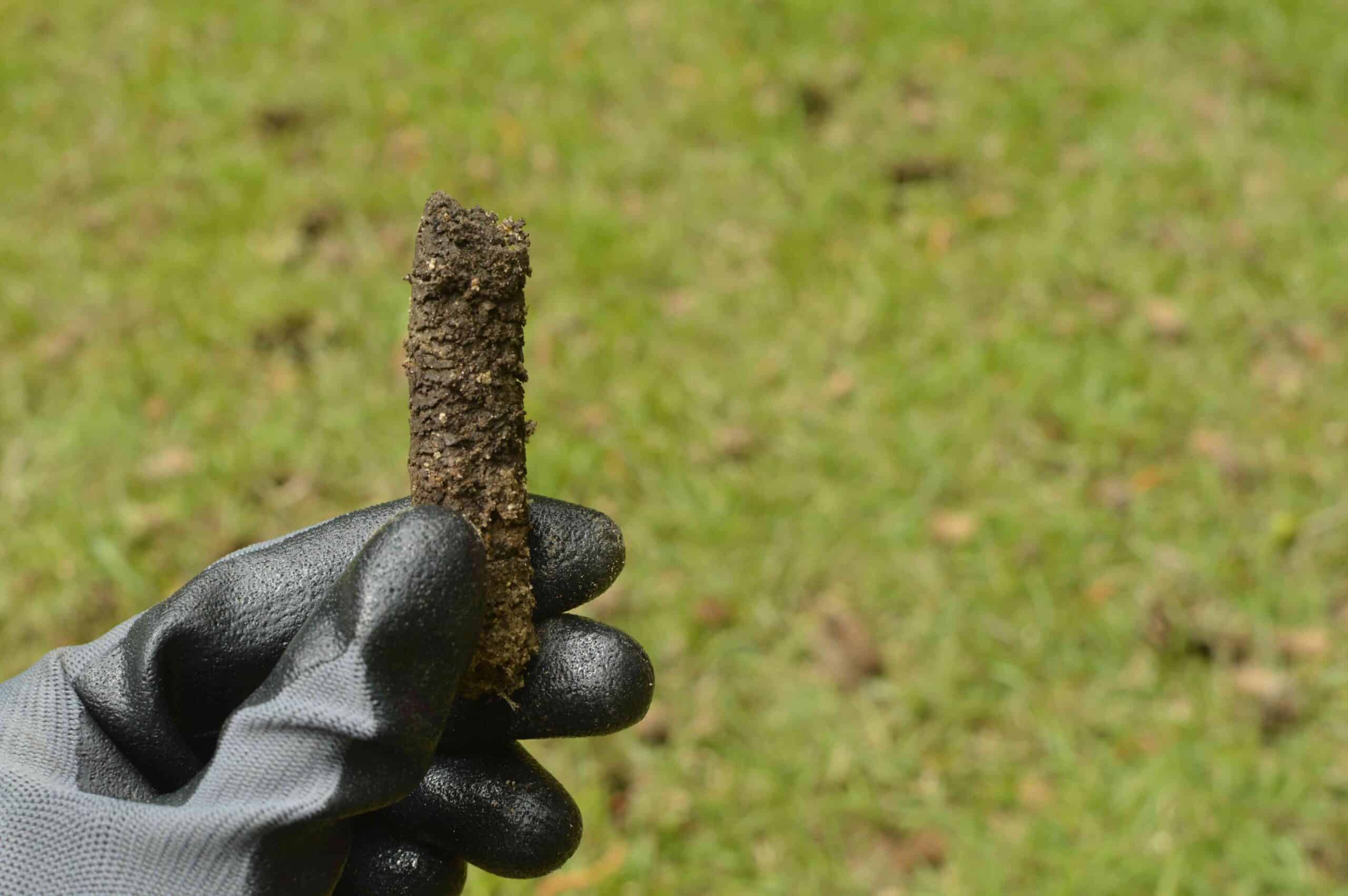
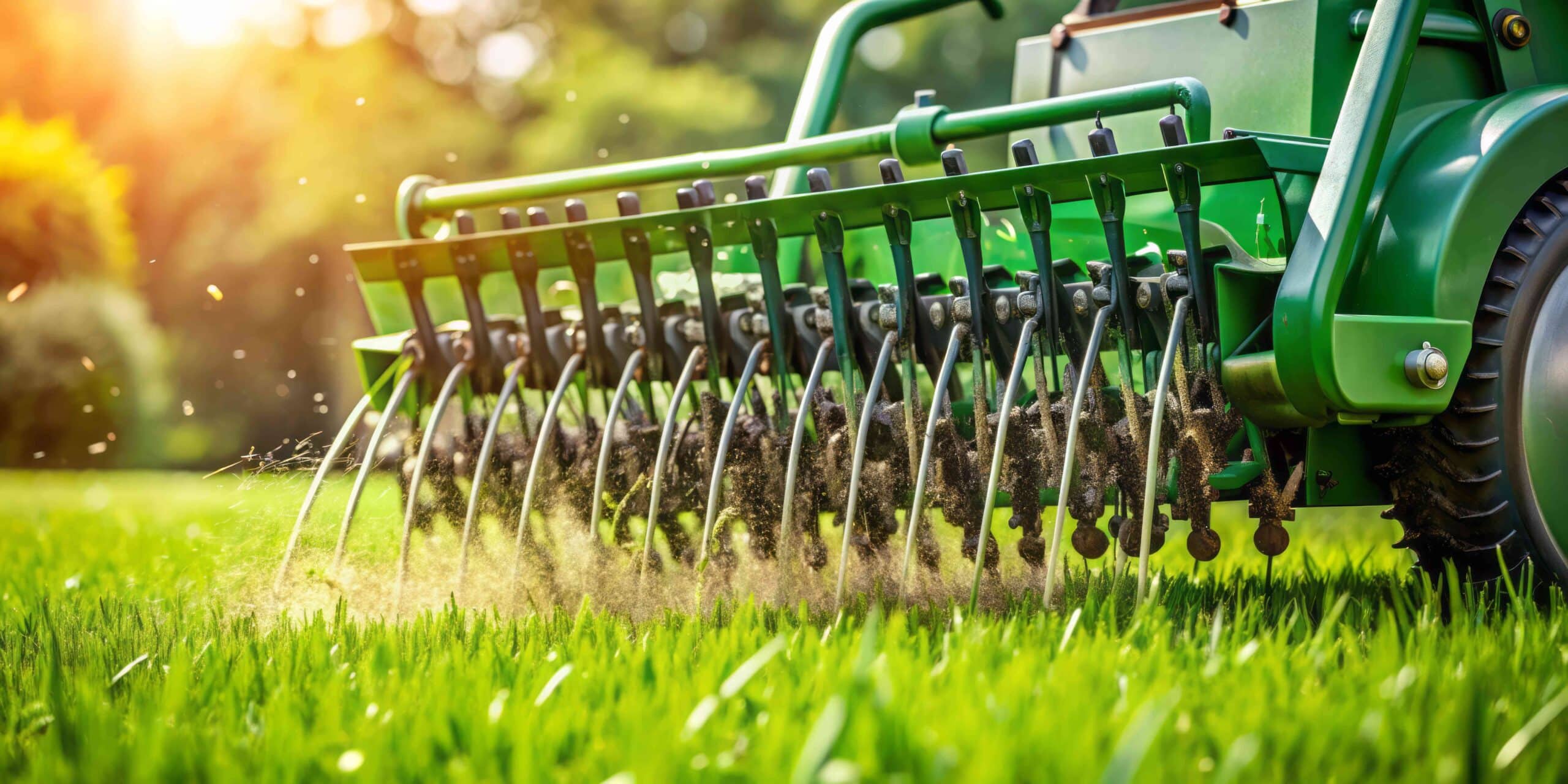
Our professional team uses specialized equipment to perforate the soil with holes, allowing air, water, and nutrients to penetrate the ground more easily. This method is effective because it reduces the soil compaction that commonly occurs in residential lawns. It also alleviates excessive thatch buildup, a pivotal step to maintaining grass health.
This service is typically performed during the growing season of your grass type to maximize its effects. Performing core aeration during the growing period ensures the grass can quickly recover and fill in the aeration holes. Consider complementing this service with our spring lawn fertilization to further enhance lawn health.
Why Choose Core Aeration?
Benefits Checklist
Improves overall lawn health
Reduces thatch buildup
Enhances oxygen flow to grass roots
Encourages deeper root growth



Core Aeration Service FAQ
Core aeration is a lawn care process that involves removing small soil plugs or cores from the lawn to reduce soil compaction and promote the better flow of air, water, and essential nutrients to the grass roots.
This process results in improved root development and overall lawn health, increasing the lawn's ability to withstand stress from drought and heavy foot traffic.
Core aeration of your lawn should typically be performed once a year for optimal health. However, lawns that experience heavy traffic or have particularly heavy clay soils might benefit from twice-yearly aeration.
Understanding when to aerate your lawn is key, as aeration helps to relieve compaction, improve soil structure, and boost the effectiveness of fertilization by allowing air, water, and nutrients to penetrate deeper into the soil.
The best time to aerate your lawn largely depends on the type of grass you have. For cool-season grasses, early spring or fall is ideal, while warm-season grasses benefit most from aeration in late spring or early summer.
Aeration helps alleviate soil compaction, enhances root development, and promotes healthy lawn growth. It's recommended to choose a time when the grass is actively growing to ensure quicker recovery.