Overview of Crabgrass and Its Impact on Lawns
What is Crabgrass?
Crabgrass is a common annual weed that invades lawns, gardens, and landscapes. Its fast growth and ability to spread make it a formidable lawn pest. Typically appearing in late spring and throughout the summer, crabgrass thrives in warm weather, especially in areas with full sunlight.
Characterized by its broad, coarse blades and sprawling growth habit, it can quickly overtake healthy grass when not controlled effectively. Its seeds germinate when soil temperatures reach around 55°F, creating a dense mat that competes for nutrients and sunlight.
Once crabgrass establishes itself, it is notoriously difficult to remove, leading many to seek professional weed control services as a solution.
Why Crabgrass is a Problem
Crabgrass poses significant problems for homeowners aiming for a lush, green lawn. It disrupts the appearance of uniform turf and gradually replaces desirable grass varieties. Because it grows so rapidly, crabgrass can quickly dominate sparse or bare spots, resulting in unsightly patches.
This weed not only affects the aesthetic appeal but also weakens your lawn’s overall health. By taking up space, water, and nutrients, crabgrass deprives your lawn of essential resources, making it more vulnerable to other stresses like drought and fall weed control problems.
Effective suppression is crucial, as crabgrass can produce thousands of seeds that remain viable in the soil for several years, causing recurring issues season after season.
How Crabgrass Affects Your Lawn
When crabgrass infiltrates your lawn, it signals a larger issue with your yard’s overall health. Its presence often indicates compacted soil, improper mowing heights, or poor drainage, each facilitating its growth. Addressing these underlying conditions is key to preventing its spread.
Crabgrass exerts pressure on lawns by outcompeting healthy grass for nutrients and space. Over time, it can degrade the quality of your lawn by reducing the overall turf density and encouraging pest infestations like weed control service-requiring insects.
Additionally, controlling crabgrass restores your lawn’s resilience. A proactive approach, utilizing both cultural and chemical interventions, can significantly enhance your lawn’s vigour.
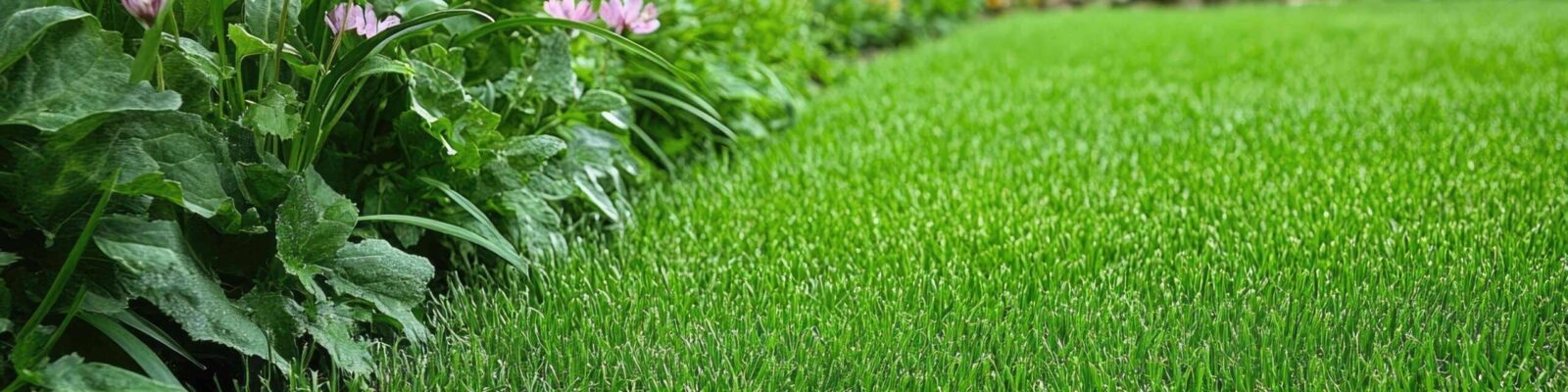
Well-maintained residential lawn with vibrant green grass and colorful flowering plants along the border, demonstrating professional lawn care and healthy yard management.
Timing for Pre-Emergent and Post-Emergent Treatments
When to Apply Pre-Emergent Herbicides
Applying pre-emergent herbicides is a vital step in thwarting crabgrass before its seeds germinate. Timing is critical; these herbicides must be applied in early spring, when the soil temperature consistently reaches around 55°F. This timing coincides with when crabgrass seeds start to germinate.
For optimal results, apply pre-emergent treatments roughly two weeks before this temperature threshold, and follow up application is sometimes necessary to handle any seeds germinating later in the season. Understanding when to apply pre-emergent helps maximize the efficacy of your lawn care regimen.
Engaging a professional weed control company can provide tailored solutions, ensuring timely and effective herbicide application.
When to Use Post-Emergent Treatments
Post-emergent herbicides serve as an effective tool against visible crabgrass, ideally applied during the early stages of plant growth. These herbicides function by targeting the leafy parts of the weed, hindering its ability to grow and spread.
Timing varies but is generally best once crabgrass has germinated and is actively growing, typically in late spring through early summer. A nutsedge control plan often complements these treatments, as both weeds can coexist in similar conditions.
Repeated applications may be beneficial throughout the growing season to manage any late-sprouting weeds effectively, ensuring your lawn remains dense and healthy.
Understanding the Life Cycle and Growth Patterns of Crabgrass
Life Cycle of Crabgrass
Crabgrass begins its life cycle as seeds lying dormant over the winter months. As soil temperatures rise in spring, these seeds begin to germinate. The cycle then progresses as the weed establishes itself, flowering, and producing seeds from late spring to early fall. This allows for a perpetual cycle of crabgrass infestation each year.
In the fall, when cooler temperatures arrive, the plants die, but not before leaving behind a new crop of seeds ready to germinate in spring. Because each plant can produce thousands of seeds, even minimal survival can lead to a significant problem the following year.
This understanding is crucial for effective clover control and similar weed management strategies, allowing you to target interventions at the most opportune times.
Growth Patterns
Crabgrass exhibits a prostrate growth pattern, spreading outwards in a circular fashion. This growth habit enables it to rapidly seize available ground space, often outcompeting more desirable turfgrass.
Its ability to adapt to varied conditions further compels its invasive nature. Crabgrass thrives in compacted soils where water pooling occurs, an environment less hospitable to other grass types. Identifying and alleviating factors that encourage such growth is critical to maintaining a healthy lawn.
Regular dandelion control and care can improve your lawn’s resistance to similar issues, promoting better growth conditions across your turf.
Custom Lawn Care Solutions
Get personalized plans tailored to your lawn’s specific needs for vibrant results.
Contact Us TodayEffective Control Methods for Crabgrass
Cultural Control Methods
Employing cultural control methods is an environmentally friendly approach to managing crabgrass. Maintaining an optimal lawn height through regular mowing and ensuring adequate watering schedules can help create an unfavorable environment for this weed. A dense lawn, cultivated through overseeding, lessens the opportunity for crabgrass to establish.
Improving soil quality through regular aeration also plays a crucial role in crabgrass prevention by enhancing water and nutrient penetration to grassroots. Additionally, addressing any drainage problems reduces waterlogged areas that favor crabgrass proliferation, making cultural methods integral to long-term control strategies.
Chemical Control Options
Chemical controls include pre-emergent and post-emergent herbicides, which are essential components of an integrated lawn management strategy. By understanding the choice between selective and non-selective options, you can target crabgrass specifically or manage broader weed issues. Pre-emergent herbicides: Applied before seeds germinate, preventing crabgrass emergence.
- Pre-emergent herbicides: Applied before seeds germinate, preventing crabgrass emergence.
- Post-emergent herbicides: Target existing crabgrass, disrupting growth and reproduction.
- Selective vs. non-selective options: Selective options target crabgrass specifically, preserving desired grasses.
- Safety precautions: Essential to minimize harm to humans and the environment.
- Application methods: Proper application ensures effective coverage and results.
- Timing for treatments: Timely applications maximize treatment efficacy.
- Cost-effectiveness: Weighing the cost against potential lawn damage.
- Environmental considerations: Reducing chemical run-off and protecting local ecosystems.
For comprehensive management, consulting a weed control service can provide expertise tailored to your lawn’s needs. Ensuring proper timing and application not only enhances results but also promotes a healthier landscape environment.
Prevention Strategies to Avoid Crabgrass Outbreaks
Maintaining a Healthy Lawn
The best defense against crabgrass is a healthy, resilient lawn. Regular maintenance practices like proper mowing, watering, and fertilization promote strong grass that naturally resists weed invasions. Fertilizing your lawn according to its specific needs can provide the essential nutrients required for robust growth.
Activities such as scraping topsoil or regularly aerating your lawn can uncover and kill crabgrass seedlings, maintaining optimal conditions for your grass. Importantly, avoid short mowing, which can stress your lawn, making it susceptible to weed infestation. Maintain your lawn at the recommended height for your grass type to shade soil, reducing crabgrass seed germination.
This preventive approach not only curtails crabgrass but also aids in overall lawn health management, including managing pests like those requiring fire ant treatment.
Best Practices
Implementing best practices for lawn care can significantly reduce the likelihood of crabgrass infestations. Consider the following strategies as part of your weekly lawn maintenance routine:
- Regular mowing: Keeps grass at an ideal height to suppress weeds.
- Proper watering techniques: Deep, infrequent watering encourages deep root growth.
- Soil health monitoring: Regular tests to balance pH and nutrient needs.
- Aeration benefits: Reduces compaction, improving air and water flow to roots.
These practices are not only effective against crabgrass, but they also strengthen your lawn against other issues requiring weed control service.
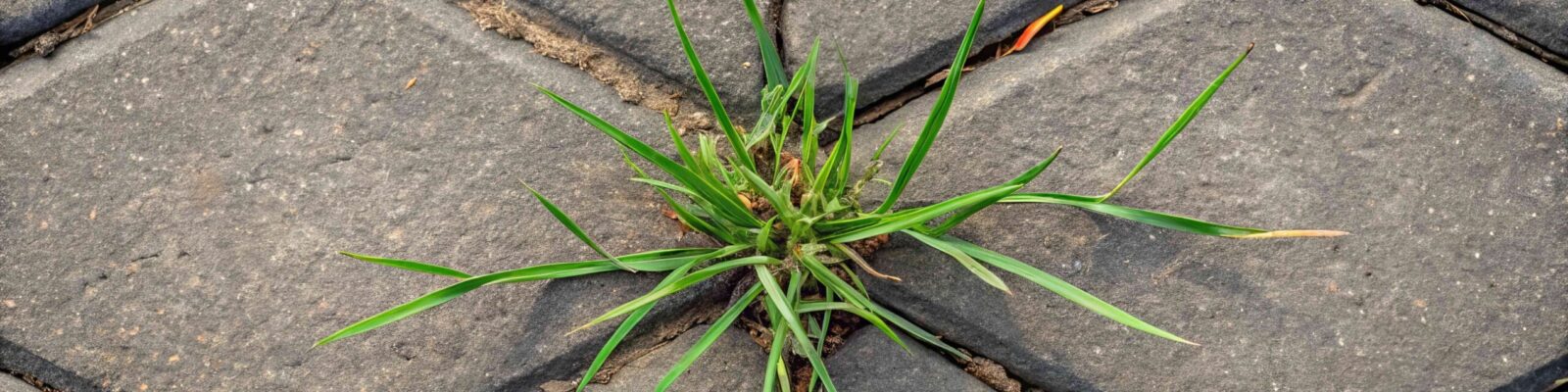
Detailed close-up photograph of crabgrass sprouting through concrete pavers. Shows characteristic star-shaped weed growth pattern with thin, light green blades typical of crabgrass infestation in resi
How to Identify Crabgrass in Your Lawn
Signs of Crabgrass
Identifying crabgrass early can help prevent its spread across your lawn. Look for patches of light-green, broad-bladed grass that grow in a spreading pattern. This weed often appears in bare or weakened areas where the soil has been disturbed or where grass is short.
The presence of crabgrass is typically noted in late spring or early summer, coinciding with its growth phase. Regular inspections allow you to address the issue promptly, limiting the overall impact on your lawn’s health.
For each identified patch, consider seeking a lawn rust disease expert or using appropriate herbicide interventions to manage and remove crabgrass effectively.
Distinguishing Features
Crabgrass can be identified by several distinctive features:
- Leaf shape and texture: Coarse blades with a hairy texture.
- Growth habit similarities: Typically forms low-growing, sprawling mats.
- Color differences: Slightly lighter green than most lawn grasses.
- Flowering patterns: Produces small seed heads that appear like little floral spikes.
Understanding these characteristics helps distinguish crabgrass from beneficial turfgrass or other weed species, such as those causing brown spots in your lawn.
Protect Your Lawn Year-Round
Our seasonal treatment plans are designed to tackle each season's challenges to ensure a healthy lawn.
The Importance of Timing in Crabgrass Control
Understanding Weather Patterns
The weather plays a pivotal role in crabgrass growth and control. These weeds germinate once the soil heats consistently to the correct temperature, typically around the onset of warmer spring days. By understanding this weather pattern, homeowners can better time their pre-emergent herbicide applications, striking a proactive stance against crabgrass.
Monitoring local environmental changes and using tools like soil thermometers can help anticipate these critical periods. Such precision allows for more effective control measures, ultimately safeguarding your lawn’s integrity from the outset.
In addition to crabgrass, managing climate-sensitive threats, such as lawn rust disease or similar issues, requires astute observations of your local weather patterns.
Seasonal Impacts
Seasonal transitions significantly influence crabgrass management strategies. Warmer seasons are conducive to its growth, demanding vigilance and persistence in treatment applications. Early spring, with its soil-warming trend, is a signal to begin pre-emergent applications.
Conversely, fall offers a respite when cooler temperatures halt crabgrass growth, allowing focus on preventing other seasonal lawn threats, like addressing fall armyworm control. Understanding and capitalizing on these seasonal impacts ensures your lawn remains healthy and vigorous throughout the year.
The Role of Temperature
Temperature directly affects weed germination cycles, and monitoring these shifts provides an informed approach to lawn care. Crabgrass, in particular, thrives between 55°F and 95°F, making temperature one of the most reliable indicators to address this issue.
Proactive temperature measurement offers a precise window for herbicide application, maximizing the likelihood of controlling germination and minimizing seasonal outbreaks. Consistent vigilance in temperature tracking fortifies your strategy, giving you an advantage over this pervasive weed.
Common Myths About Crabgrass Control
Myths vs Realities
Despite efforts to manage crabgrass, several myths persist around its control. Understanding these misconceptions can help you implement more effective strategies. One common myth is that a single application of pre-emergent herbicide in spring suffices to eliminate crabgrass. In reality, follow-up treatments may be necessary, particularly in extended growing seasons.
Another myth suggests that all lawn weeds are equally difficult to manage. Crabgrass, however, requires more targeted approaches, often involving both pre and post-emergent solutions, to mitigate fully. Dispelling these myths ensures a comprehensive and informed approach, aided by expert weed control services.
Reacting to crabgrass based solely on these myths can reinforce an ineffective cycle, paving the way for more significant infestations and a need for comprehensive lawn care services.
Understanding Crabgrass Control
Comprehending the nuances of crabgrass control is essential for successful lawn maintenance. Key to this understanding is recognizing the importance of integrated weed management, which combines cultural, mechanical, and chemical strategies for a well-rounded approach.
Regular observation, precise timing, and adopting best practices cultivate a robust defense against crabgrass. Accurate knowledge reduces dependency on intensive chemical treatments, promoting both environmental health and lawn resiliency.
Crabgrass Control Guide FAQ
Crabgrass is a pervasive weed that can take over lawns by aggressively competing with desirable grasses for sunlight, water, and nutrients. Known for its tough nature, it can quickly spread and dominate areas, making it a major threat to lawn health.
Effective crabgrass control involves timely application of pre-emergent herbicides to prevent seeds from germinating and maintaining a robust lawn through proper care practices to outcompete any potential crabgrass growth.
Knowing when to apply pre-emergent herbicides is crucial for effective weed control. The best time to put down pre-emergent is in early spring, just before weed seeds begin to sprout when soil temperatures consistently reach around 50 to 55 degrees Fahrenheit.
Timing varies by region and weather conditions, so monitoring local soil temperatures can help you apply the herbicide at the right moment. If applied too early, it may lose effectiveness, and too late means weeds may already have germinated.
Effective methods for crabgrass control include cultural practices and the use of pre-emergent and post-emergent herbicides. Maintaining a dense and healthy lawn through proper mowing, watering, and fertilization helps create an environment less conducive to crabgrass growth.
Use a pre-emergent herbicide in early spring to prevent crabgrass seeds from germinating. If crabgrass is already present, a targeted post-emergent herbicide can be used to kill the existing plants. Follow the product instructions carefully for best results.
To prevent crabgrass from growing, effective crabgrass control starts with maintaining a thick and healthy lawn, which prevents crabgrass seeds from germinating. Consistent lawn care practices, such as proper mowing and fertilization, are key.
Applying a pre-emergent herbicide in early spring, before the crabgrass seeds germinate, can also be a crucial part of your crabgrass control strategy. Make sure the soil temperature is below 55°F for optimal timing.