Introduction to Dollar Spot Disease
What is Dollar Spot Disease?
Dollar spot disease is a common lawn issue caused by the dollar spot fungus. This ailment is notorious for creating unsightly, silver dollar-sized patches on grass surfaces. The disease is prevalent in various regions, particularly in North Alabama, and can cause significant damage if not properly addressed.
The dollar spot fungus thrives in specific conditions, making it crucial for homeowners to recognize and understand the environment conducive to its growth. Proper identification and management are vital in controlling the spread of the disease and restoring lawn health.
Signs and Symptoms
The most identifiable symptom of dollar spot disease is the appearance of small, circular brown spots on lawns, which can merge to form larger patches. Affected grass blades display white or bleached lesions across their length.
The disease often causes grass to weaken and thin out, leading to further problems as it leaves the lawn vulnerable to other issues. If ignored, you may also notice your grass turning yellow, a sign of increasing stress.
Identifying these symptoms early is crucial for implementing effective treatment and preventing further damage. Monitoring lawn conditions regularly is a practical step homeowners can take.
Impacts on Lawn Health
Dollar spot disease significantly impacts the aesthetic value and health of lawns. The fungus can spread rapidly, especially under conducive weather conditions, leading to deteriorated turf quality. This can result in brown spots in lawn areas becoming more pronounced.
Damaged lawns are more susceptible to infestation by pests and other diseases, requiring additional interventions. Maintaining a healthy lawn through proper care and vigilance will limit such consequences.
The overall vigor of the lawn is compromised when affected by dollar spot, making regular lawn disease identification and preventative measures essential in maintaining its health.
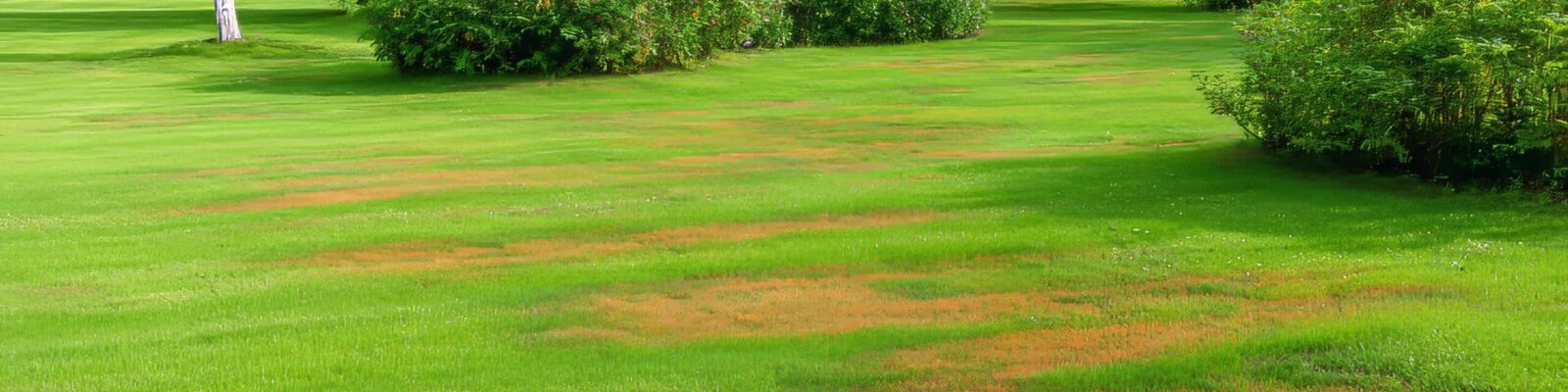
Dollar spot disease affecting a residential lawn, displaying characteristic brown and tan circular patches across the turf. Mature trees, flowering shrubs, and a brick home visible in background showi
Factors Contributing to Dollar Spot Disease
Environmental Conditions
Dollar spot disease typically occurs under specific environmental conditions that favor its development. High humidity and temperatures between 60°F to 85°F provide an ideal environment for the fungus to thrive. Extended leaf wetness, often due to overnight dew or improper irrigation practices, can exacerbate the situation.
It is essential for homeowners to be aware of these conditions, particularly during the summer months when they become more prevalent. Adjusting summer lawn watering practices can significantly impact disease progression.
Proper aeration and drainage management can reduce leaf wetness, thereby minimizing the risk of disease onset.
Nutrient Deficiencies
Lawn nutrient deficiencies, particularly lack of nitrogen, can increase susceptibility to dollar spot disease. Nitrogen plays a critical role in turfgrass health, aiding in lush growth and resistance to diseases.
Regular lawn assessments are vital in tracking nutrient levels and maintaining a balanced fertilization schedule. Collaborating with professionals for lawn disease control can ensure optimal nutrient management.
Keeping the lawn adequately fertilized not only prevents dollar spot but also supports overall healthy growth.
Grass Types Susceptibility
Different grass types exhibit varying levels of susceptibility to dollar spot disease. Grasses like creeping bentgrass and Kentucky bluegrass are known to be particularly vulnerable. Understanding grass type susceptibility can help tailor prevention and treatment methods effectively.
Homeowners should select grass varieties with higher resistance levels to minimize risks associated with this disease. If you encounter invasive plants like nutsedge, appropriately apply nutsedge control to prevent additional stress on your lawn.
Choosing the right grass type can significantly reduce the chances of recurring infections, maintaining lawn health year-round.
Identification Techniques for Dollar Spot Disease
Visual Inspection
One of the most straightforward methods for identifying dollar spot disease is through visual inspection. Regularly examining your lawn for distinctive symptoms such as silver dollar-sized patches can aid early detection.
To effectively identify the disease, homeowners should look for areas where grass appears distressed or discolored. Comparing these symptoms with reference images can also assist in accurate identification.
Beyond daily inspections, regular annual assessments can further aid in catching early symptoms.
Using Lawn Care Tools
Lawn care tools can play a significant role in diagnosing dollar spot disease. Magnifying lenses help closely examine affected areas, revealing subtle fungal growth details.
Testing soil conditions and measuring humidity levels can provide additional clues about the likelihood of disease development.
Incorporating these tools into regular lawn maintenance routines helps in early diagnosis and proactive treatment.
Common Signs of Infection
Recognizing common signs of infection is vital for early action against dollar spot disease. Key indicators include:
- Silver dollar-sized patches: These small circles appear as dead grass spots.
- Yellow or brown grass: Discoloration signifies plant stress and fungus presence.
- Development in humid conditions: The disease often surfaces during wet, humid weather.
Proficiency in identifying these signs equips homeowners with the capability to apply necessary treatments swiftly.
Say Goodbye to Lawn Pests
Our specialized pest control service ensures a pest-free lawn through eco-friendly practices.
Call for ServicesEffective Treatments for Dollar Spot Disease
Chemical Treatments
There are several chemical solutions available for treating dollar spot disease. Fungicides specifically formulated for dollar spot include Chlorothalonil and Propiconazole. Application should be done according to manufacturer guidelines to ensure safety and efficacy.
Consistent treatment cycles help inhibit the disease’s life cycle. For extended protection, integrate treatment schedules into your regular pest management plan.
Consulting with lawn care professionals who have expertise in grass fungus treatment can optimize results while minimizing potential lawn damage.
Organic Solutions
For those seeking organic methods, several sustainable practices can be employed. These include improving soil health through composting and increasing grass resistance with natural lawn fertilizers.
Proper lawn aeration decimates conditions favorable to the fungus, disrupting its growth. Consider using neem oil and baking soda sprays as environmentally friendly alternatives.
Regular application of these methods can prevent the future recurrence of dollar spot, making lawns more robust against infections.
Preventative Strategies
Prevention remains a cornerstone in the fight against dollar spot. Regular mowing with proper techniques reduces excess moisture levels, making the lawn less hospitable to fungi. Moreover, maintaining consistent fertilization schedules enhances turf vigor, hindering disease establishment.
A comprehensive lawn maintenance plan should include periodic inspections, tick control yard, monitoring for brown patch fungus, and pest deterrence strategies. These approaches collectively bolster lawn health and reduce future outbreaks.
Effectively implementing these strategies helps ensure a green and lush lawn-to-garden space throughout the season.
The Importance of Ongoing Lawn Maintenance
Regular Lawn Care Practices
Maintaining a consistent lawn care routine is crucial for preventing dollar spot disease and promoting overall lawn health. Key practices include:
- Aeration and dethatching: Yearly aeration reduces soil compaction, optimizing air and nutrient penetration.
- Proper mowing techniques: Ensure grass is cut to optimal heights, preventing stress.
- Fertilization schedules: Regularly apply balanced fertilizers to maintain nutrient levels.
- Watering methods: Water deeply but infrequently, avoiding excessive grass wetness.
- Monitoring grass health: Frequent inspections can catch early signs of disease or pest activity.
- Seasonal lawn assessments: Routine checks adapt care strategies to seasonal changes.
These components work synergistically to bolster crabgrass control effectiveness and prevent disease resurgence.
Importance of Using the Right Grass Type
Selecting grass varieties that are resistant to lawn diseases like dollar spot is a key decision for homeowners. Utilization of resilient grass varieties effectively increases the lawn’s ability to fend off infections and maintain health.
Consider consulting lawn care professionals who provide expertise in identifying resilient types, aiding in efforts for preventative strategies like broadleaf weeds management or chinch bug control. Proper planting efforts paired with continuous care provide long-term benefits in lawn beauty and resilience.
Conclusively, understanding grass compatibility with the local environment and disease prevalence maximizes the chances of maintaining a thriving lawn.
Discussion on Lawn Types and Susceptibility
Bermuda Grass
Bermuda grass is a popular choice for lawns in warmer climates due to its heat and drought tolerance. However, it can still be susceptible to dollar spot disease if not maintained properly. Regular mowing and fertilization can help maintain its health.
This grass type exhibits vigorous growth, quickly forming a dense mat. Although susceptible, its resilience makes it a good choice for high-traffic areas. Seek professional guidance for lawn disease identification to mitigate outbreaks effectively.
Fescue Grass
Fescue grass, including varieties like tall fescue and fine fescue, tends to thrive in various conditions but is not wholly immune to dollar spot. Adaptability to shade and drought are notable benefits.
Incorporating regular fertilization and smart dandelion control strategies can enhance resistance levels to common lawn diseases, including dollar spot.
Regular assessments allow homeowners to adjust care tactics seasonally, ensuring optimal growth and health year-round.
Tall Fescue vs. Other Types
Homeowners often choose tall fescue for its durability and resilience to pests and diseases, making it a competitive alternative to other grass types. However, distinguishing factors among different fescue types include:
- Growth patterns: Exhibits rhizomatic growth, increasing lawn density.
- Resistance levels: Highly resistant to traffic, drought, and some fungal diseases.
- Best practices for care: Incorporate timely fertilization and clover control, ensuring balanced nutrition.
- Seasonal considerations: Adjust maintenance schedules based on surrounding climate conditions.
- Standard pests and diseases: Protection against common threats through integrated pest management.
- Optimal fertilization: Apply fertilizers high in nitrogen during active growth periods for sustained health.
Choosing the right fescue variant such as tall fescue can lead to a healthier, more vibrant lawn with fewer instances of dollar spot disease.
Minimizing the Risk of Dollar Spot Disease
Correct Watering Techniques
Proper watering is essential to prevent dollar spot disease. Avoid watering late in the day, as this can increase humidity and leaf wetness. Instead, water early in the morning to minimize moisture retention on grass blades.
Applying deep watering methods nurtures deep root systems, enhancing overall grass health. Conserving water resources aligns with eco-friendly practices and helps manage season-specific watering.
Consistent adherence to these techniques lessens the likelihood of disease outbreaks, maintaining a robust and healthy lawn.
Incorporating Seasonal Adjustments
Adjusting your lawn care routine according to the changing seasons is crucial for disease prevention. In the summer, increased focus on watering and fertilization is necessary. In cooler months, reducing water application helps prevent excess moisture build-up.
Observing these changes aids in curbing potential dangers, such as sod webworms, by incorporating sound treatment practices. These measures form a resilient defense against lawn diseases.
Implementing adjustments seamlessly into regular maintenance practices further fortifies lawn health against unpredictable environmental shifts.
Conclusion: The Importance of Maintaining Lawn Health
Final Thoughts
In the battle against dollar spot disease, an understanding of its causes and treatment methods is critical. Equipped with the correct knowledge, lawn owners can choose treatment methods wisely and adapt their strategies to their specific lawn conditions.
Continuous maintenance is paramount. Observing changes in lawn health allows for timely interventions. Regular assessments enable proactive detection, reducing the instance of disease outbreaks.
- Understanding dollar spot disease: Essential for choosing the most effective management strategies.
- Choosing treatment methods wisely: Ensure compatibility and effectiveness while maintaining lawn aesthetics.
- Regular maintenance is key: Practice routines that promote ongoing lawn health and vigor.
- Observing lawn conditions: Enables anticipation of potential disease or pest issues.
- Educating oneself on prevention: Informs decisions for introducing new lawn care practices.
- Seeking professional help when necessary: Consulting experts like clover control ensures problem resolution. Regular lawn health monitoring also plays a vital role in developing a sustainable, disease-free lawn.
Concerted efforts in education, care, and prevention will yield lasting results, promoting a vibrant and green lawn year-round.
Dollar spot disease is caused by the fungus Sclerotinia homoeocarpa. This fungus thrives in environments where grass leaves remain wet for prolonged periods, such as during light rains, heavy dews, or high humidity conditions. Under-fertilization can also contribute to the development of dollar spot disease, as lawns lacking in nitrogen are more susceptible. Therefore, maintaining a balanced nutrient regime is essential to minimize the chances of this disease affecting your lawn. Treating dollar spot disease effectively involves a combination of cultural practices and, when necessary, fungicide applications. Start by ensuring your lawn is adequately fertilized, as healthier grass can resist disease better. Implement proper watering habits, such as deep and infrequent watering, to prevent the lawn from staying wet for extended periods. If these measures don't suffice, consider a dollar spot treatment using fungicides specifically labeled for dollar spot control. It's important to follow the manufacturer's instructions closely. Regular mowing and thatch management can also reduce the conditions that favor dollar spot growth. The risk of dollar spot disease increases with conditions that favor its fungal growth. These include high humidity, frequent light rain or dew, and temperatures ranging from 59°F to 86°F. Low nitrogen levels in the soil can also exacerbate the problem as dollar spot thrives in under-fertilized lawns. Grass that remains wet in shaded areas or dense thatch layers also creates an ideal environment for dollar spot. Managing these factors with adequate fertilization, proper watering practices, and lawn maintenance can help reduce the risk. Dollar spot disease is not considered contagious in the way you might think of a virus spreading from person to person. However, the pathogen that causes dollar spot, a fungus named Sclerotinia homoeocarpa, can spread across your lawn via water, wind, equipment, and even foot traffic. Once dollar spot disease establishes itself in one area of your lawn, it can readily move to other parts, especially under conducive environmental conditions like warm temperatures and high humidity. Proper lawn care and maintenance can help mitigate its spread effectively. Preventing dollar spot disease naturally involves practices like regular mowing, balanced fertilization, and proper irrigation. Ensuring your lawn has adequate nitrogen helps reduce the risk of this fungal disease. Additionally, maintaining mower blades and avoiding excessive thatch can deter dollar spot. Professional lawn services can offer tailored advice and treatments to mitigate this disease and maintain a healthy lawn aesthetic.Dollar Spot Disease Guide FAQ