Importance of Fall Lawn Care
Fall lawn care is crucial for the health and vitality of your lawn. During this season, the foundation for a lush green yard next spring is laid. Proper aeration, overseeding, and fertilization ensure your lawn can withstand winter conditions. This period also presents the best opportunity to repair any summer damage and prepare the lawn for the colder months.
When done correctly, fall lawn care can lead to stronger root systems, improved resilience against pests and diseases, and a vibrant, weed-free grass surface. As fall progresses, focusing on these practices will reduce the need for aggressive treatment when spring arrives.
What to Expect
Investing time and effort into fall lawn treatment yields numerous benefits. You can expect to see thicker grass, with improved resistance to drought and high temperatures. A well-maintained lawn not only enhances the curb appeal but can also increase the overall value of your property.
Additionally, following a strategic fall lawn care schedule ensures that common issues like weed control are effectively managed. This proactive approach will help you enjoy a pristine lawn throughout the seasons.
Key Fall Lawn Care Goals
Establishing specific goals for your lawn in autumn helps focus your efforts where they are needed most. Key objectives include enhancing soil health, strengthening grass roots, and preventing the onset of diseases. By aligning your activities with these goals, you are setting the stage for a vibrant landscape.
As you take on these tasks, remember the importance of choosing high-quality materials and tools. Collaboration with professional services when necessary can ensure that each step from aeration to winterizing is carried out efficiently. These efforts will ultimately pave the way for a healthy, beautiful lawn year-round.
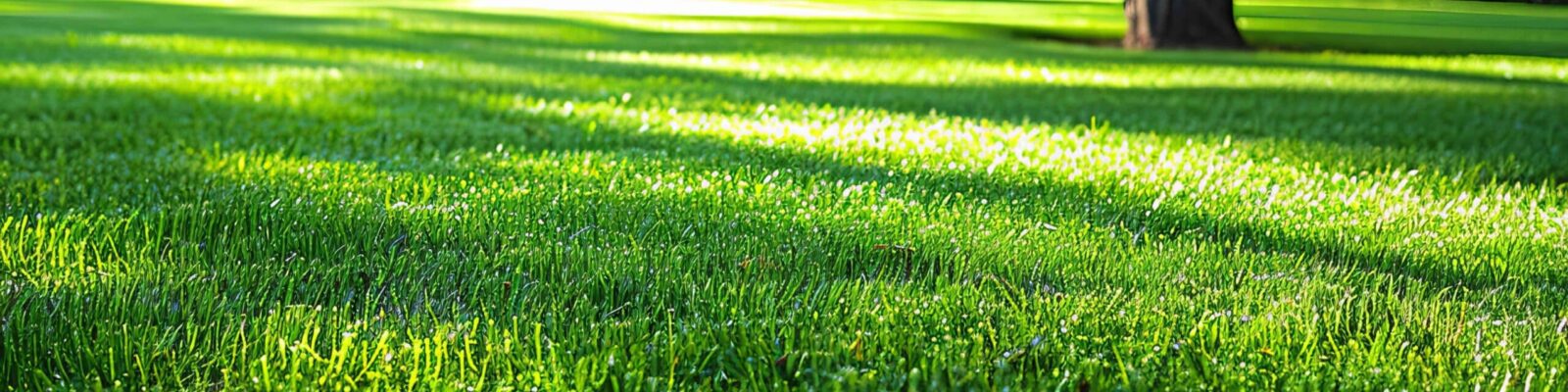
Beautiful, well-maintained Bermuda grass lawn featuring vibrant green turf with dappled sunlight under mature shade trees. Demonstrates the results of professional lawn care and maintenance for health
Aeration and Overseeding
Aeration and overseeding are essential components of autumn lawn care. Aeration involves perforating the soil to allow air, water, and nutrients to penetrate the grass roots. This process helps to alleviate soil compaction and creates an environment where seeds can germinate more effectively. Overseeding is the practice of adding grass seed to your existing lawn, which can fill in bare spots and improve the lawn’s overall density.
For best results, coordinate these tasks in early fall to give the seedlings ample time to establish before winter. The combination of aeration and overseeding boosts growth and leads to a thicker, more robust lawn.
Fertilization Techniques
Applying the right type of fertilizer is a critical step in fall lawn care. This season calls for a balanced approach to fertilization that supports root growth. Phosphorus-rich fertilizers are particularly effective, as they promote strong root development.
A fall fertilization strategy typically involves applying nutrients in two phases. The first application focuses on repairing damage from summer stress, while the second application prepares the lawn to endure the winter months. Ensure the timing aligns with your fall lawn care schedule for optimal results.
Essential Maintenance Tasks
Performing essential maintenance tasks during fall ensures that your lawn is well-prepared for the winter ahead. These include:
- Mowing at the right height: Adjust the mower to a suitable height to avoid scalping the grass, which can lead to vulnerability during the cold months.
- Weed control strategies: Focus on weeds that can be treated during fall, preventing them from establishing roots over the winter.
- Aeration frequency: Consider aerating every couple of years, or annually if foot traffic is heavy, to maintain optimal soil conditions.
- Mulching for winter protection: Use mulched leaves to insulate the grass, which helps retain moisture and adds organic matter to the soil.
By adhering to these practices, you will ensure a smooth transition from fall to winter, setting the groundwork for a healthy lawn come spring.
Choosing the Right Grass Seed
Selecting the appropriate grass seed is a pivotal step in fall lawn treatment. Depending on whether your lawn is in need of warm-season or cool-season grasses, you will need to choose a variety that matches the regional climate and soil conditions. Pay attention to factors such as disease resistance and drought tolerance when making your selection.
For cool regions, Kentucky bluegrass and fescue are popular choices, whereas Bermuda and zoysia work well in warmer climates. This ensures that your lawn thrives regardless of the upcoming winter challenges.
Best Seeding Techniques
Effective seeding techniques can significantly impact the success of your fall planting efforts. Begin by preparing the soil through aeration and proper fertilization. This creates an ideal growing environment for the seeds.
Distribute the seeds evenly across the lawn area using a broadcast spreader, ensuring thorough coverage. Lightly rake the seeds into the soil to increase contact and firm them in with a roller. These methods promote better germination rates and foundation for strong turf growth.
Finally, consider applying a starter fertilizer rich in phosphorus if seeding experience is lacking in the past. This will give the seedlings the burst they need to establish roots effectively before winter sets in.
Watering and Maintenance After Planting
Proper watering post-planting is crucial for the seeds to germinate and grow. Keep the soil consistently moist, but not excessively wet, to avoid waterlogged conditions that may harm the seeds. Opt for light daily watering or more frequent short bursts to achieve this balance.
Once the seeds have sprouted, gradually reduce the watering frequency while increasing depth to encourage deeper root development. It’s also important to reduce foot traffic on newly seeded areas to prevent damage.
In addition to watering, monitor seedlings for signs of stress or illness, and maintain a spotless lawn to eliminate competition for resources. This vigilance ensures a robust establishment of your new grass.
Protect Your Lawn Year-Round
Our seasonal treatment plans are designed to tackle each season's challenges to ensure a healthy lawn.
Identifying Common Fall Weeds
Fall is a prime time for certain weeds to take hold in your lawn. Identifying and addressing these weeds promptly helps in maintaining the health of your turf. Broadleaf weeds, such as clover and dandelions, are particularly common during this season.
Use selective herbicides or manual removal methods to control these weeds effectively. This targeted approach helps preserve the health of your lawn while eradicating unwanted plants.
Common Lawn Diseases
Throughout fall, lawns become susceptible to several diseases. Recognizing the symptoms early allows for prompt action, preserving your lawn’s condition. Key issues include:
- Dollar spot disease: Characterized by small, silver-dollar-sized patches, this fungus thrives in moist and cool conditions.
- Brown patch fungus: Appears as circular brown areas, thriving in high humidity and warm temperatures.
- Pythium fungus: Causes greasy, water-soaked patches that can spread quickly, needing immediate control.
- Grub infestations: White grubs feed on roots, causing dead patches; preventive treatment in fall is recommended.
Apply appropriate fungicides to manage fungal diseases and consider routine lawn inspections to identify issues early. Lawn disease identification can assist in tackling these common problems effectively.
Fertilization for Disease Prevention
A proper fertilization regimen acts as a defense against diseases by strengthening the lawn’s natural resistance. Using fertilizers rich in potassium supports root strength and enhances the lawn’s ability to ward off diseases. Be sure not to over-fertilize, as too much nitrogen can promote disease activity.
Strategically timed applications during the fall will support the lawn’s health through winter, reducing disease incidence. This preventive maintenance can lead to a heartier, more resilient lawn in the coming seasons.
Final Lawn Care Tips Before Winter
As winter approaches, executing a few final lawn care practices ensures your yard enters the colder months in peak condition. Here’s what to do:
- Last mow of the season: Cut the grass to its recommended height just before the first frost to reduce disease risk.
- Clearing debris from your yard: Remove fallen leaves and other debris to prevent them from smothering the grass over winter.
- Setting up a winter watering schedule: Ensure occasional watering during dry spells to keep the soil from drying out completely.
- Preparing equipment for winter: Clean and store lawn care tools in a dry place to prevent rust and damage.
Executing these tasks will protect your lawn and equipment, readying them for use next spring. The effort put in during this time can be highly rewarding when you see the fruits of your labor in lush grass.
Planning for Spring
With fall lawn care under control, it’s also a good time to start planning for the first tasks of spring. Keep notes of any challenges faced and adjustments needed in your approach. Early planning allows you to delegate tasks such as first mowing and seeding services efficiently come spring.
Consider subscribing to a comprehensive lawn care service that provides year-round support, ensuring a seamless transition into the growing seasons. This proactive planning ensures you’re ahead of your lawn’s needs.
Recommended Products for Fall Care
Equipping yourself with the right products for seasonal lawn care is crucial for success. Invest in high-quality fertilizers suited to your grass type, and ensure you have the correct tools for maintenance tasks such as aeration.
Other useful products include organic mulch, phosphorous-rich fertilizers, and lawn winterizers. Selecting the right products can dramatically improve the effectiveness of your fall lawn care strategies.
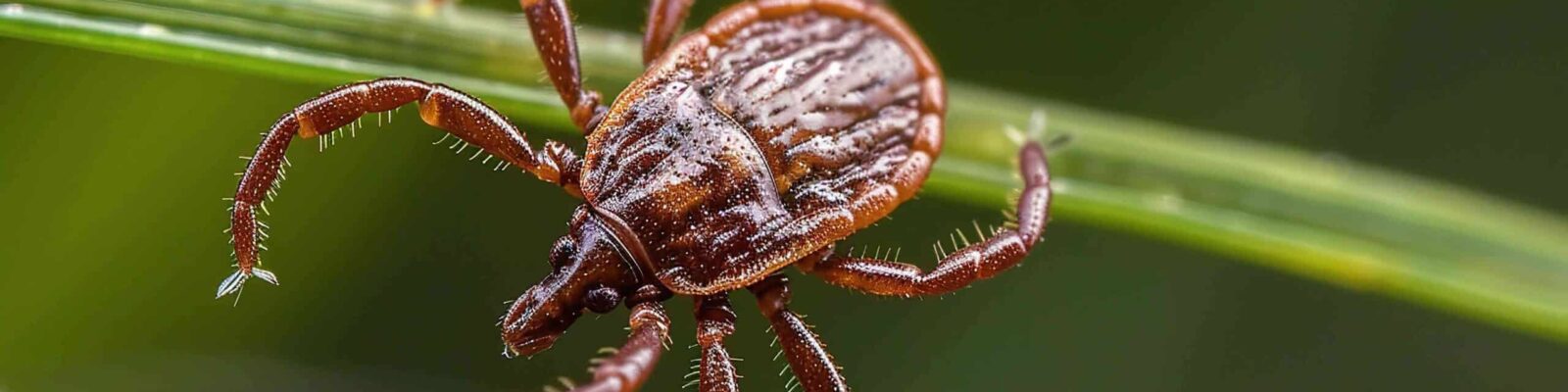
Detailed close-up photograph of a brown tick crawling on a grass blade. This pest identification image shows the tick's characteristic eight legs and body structure, useful for recognizing tick infest
When to Seek Professional Help
As you work through your fall lawn care checklist, it’s important to recognize when expert advice and services may benefit you. Professionals can provide specialized treatments and have the tools necessary for optimal results, especially in large or complex yards.
Consider hiring professional services when extensive issues like pest infestations or severe weed problems arise. Consultancy with an expert ensures that all measures are effective and sustainable.
Services to Consider
Several professional services can enhance your fall lawn care experience. These include:
- Lawn fertilization services: Expertly applied fertilizers tailored to your lawn’s specific needs can optimize grass health.
- Aeration services: Professional aeration involves the use of advanced equipment for consistent and effective soil penetration.
- Weed control services: Specialized treatments designed to eradicate stubborn and pervasive weeds ensure lasting results.
- Pest control services: Addressing issues with lawn pests like ticks and grubs is crucial to maintaining a healthy yard environment.
Professional assistance can offer peace of mind and improve the overall quality of your landscape management.
DIY Resources and Guides
For those who prefer a hands-on approach, numerous DIY resources are available. Books, online articles, and lawn care blogs provide valuable insights and step-by-step guides to mastering fall lawn care tasks.
Whether you opt for professional help or prefer the DIY route, being informed and prepared makes all the difference in achieving a beautiful, thriving lawn.
Fall Lawn Care Checklist FAQ
The best time to aerate your lawn in fall is typically between late summer and early fall. This fall lawn care process relieves soil compaction, enhances root growth, and improves nutrient uptake just before the cooler weather sets in.
Knowing when to aerate lawn seasonally helps optimize grass vigor and health. Our professional services ensure precise timing and execution, setting the stage for a more robust lawn come spring.
If your lawn appears thin, has bare patches, or is not growing evenly, it may be time for overseeding. Regularly noticing these lawn problems indicates that adding new seed could improve density and overall lawn vigor.
Evaluating lawn problems in conjunction with growth patterns can provide insight into when and where overseeding is beneficial. Our team of professionals can help determine whether your lawn would benefit from overseeding and develop a customized plan to address its unique issues.
In fall, using a fertilizer high in potassium is recommended, as this nutrient strengthens grass and promotes root development to prepare for winter dormancy. Choose lawn fertilization services to provide exactly what your lawn needs during this crucial time.
This fall lawn care strategy supports your grass through temperature fluctuations and ensures it enters winter in optimal health. Our experts can help you select the best fertilizer blend for your lawn type and conditions.
No, it is not too late to care for your lawn in fall. Fall lawn care and winter lawn care activities, such as aeration, overseeding, and fertilization, are crucial for maintaining lawn health through the colder months.
These efforts help your lawn recover from summer stress and prepare for a successful spring growing season. Our team can assist with seasonal strategies to ensure your lawn stays vibrant and strong throughout the year.