What is Tall Fescue Grass?
Tall fescue grass, known for its adaptability, is a cool-season grass that’s prominent in North America, especially in transition zones like North Alabama. It is characterized by a wider leaf blade and coarse texture compared to other turfgrasses. Its robust root system allows it to withstand various environmental conditions, making it a popular choice for residential lawns and athletic fields.
This grass type’s ability to adapt to different climates is due to its deep-rooting capability, which promotes drought resistance—an essential trait for maintaining a lush lawn during dry spells. The versatility of tall fescue extends its use beyond just grass seed; it is often blended with other grass types to enhance the overall resilience and appearance of lawns.
Benefits of Tall Fescue Lawn
Tall fescue lawns offer numerous benefits that appeal to homeowners and landscape professionals alike. Alabama grass types include tall fescue due to its hardiness and minimal maintenance requirements. One of the greatest advantages is its impressive wear tolerance, making it perfect for high-traffic areas.
Additionally, tall fescue is highly drought-tolerant, reducing the need for constant watering, thus conserving water without sacrificing the green allure of your yard. Moreover, its tolerance to different temperatures makes it viable during both warm and cooler conditions, providing a lush appearance year-round.
Another significant benefit is its resistance to common grassy diseases and pests compared to other turf types. This means fewer applications of chemicals and pest controls, making it an eco-friendly choice. It’s also a good candidate for lawns experiencing varying sun and shade conditions, offering flexibility in planting locations.
Ideal Growing Conditions
Tall fescue thrives in various environments, thanks to its adaptable nature. It flourishes in regions that experience moderate summers and cold winters, categorizing it as one of the cool season grasses. Tall fescue performs well in areas with adequate rainfall or supplemental irrigation during dry periods.
This grass prefers soil that is well-drained and rich in nutrients. Regular soil testing can help maintain ideal conditions, ensuring lush growth. The versatility of tall fescue in handling different soil types—from clay to sandy loams—extends its usability across many residential and commercial landscapes.
Additionally, while it can withstand temporary shade, tall fescue performs best in areas receiving full to partial sunlight. Tailored care, including appropriate mowing and feeding schedules, ensures optimal growth in various climes.

Beautiful residential home featuring a lush, vibrant green ryegrass lawn with professional lawn care maintenance. Mature shade trees frame the property, demonstrating healthy yard landscaping and fami
When to Seed Tall Fescue
Timing is crucial when planting tall fescue grass to ensure successful establishment. The best period to seed tall fescue is during the early fall when the cool temperatures promote germination while the soil remains warm. This allows for robust root development before winter sets in. Early fall seeding ensures that the grass is well-established by the following growing season.
Seeding Techniques
To achieve a lush tall fescue lawn, employing the right seeding techniques is essential. Preparing the soil includes testing and amending it to ensure the proper pH level for growth. Using a core aerator before sowing can significantly enhance seed-to-soil contact, promoting healthy germination.
Broadcast spreading is a common method, which ensures an even distribution of seeds across your lawn. For best results, cross-seed by running the spreader in one direction and perpendicular to the initial path. This technique helps achieve uniform coverage and a denser lawn.
After planting, ensure the seeds receive enough water to keep the soil moist but not waterlogged. Consistency in watering promotes proper germination, with grass blades typically appearing within 10 to 14 days.
Choosing the Right Seed
Selecting the appropriate seed variety is critical for establishing a successful tall fescue lawn. Opt for a seed blend that offers disease resistance and is suitable for the local climate. Many products blend high-quality cultivars designed for improved color, density, and drought tolerance.
Purchasing certified seed ensures purity and quality, reducing the risk of planting unwanted weed seeds. When purchasing, look for seeds labeled with varieties specifically bred for your region’s conditions, ensuring the lawn’s longevity and appeal.
Grass seed products often list their specifications, helping you choose blends that meet your specific lawn care needs. By choosing the right seeds, you can develop a healthy and vibrant lawn perfect for any residential or commercial landscape.
Understanding Fertilizer Basics
For a thriving tall fescue lawn, understanding fertilizer basics is essential. Fertilizers supply essential nutrients that promote healthy growth, resilience, and vibrant color. Primarily, nitrogen is the most required nutrient for grass health, supporting chlorophyll production, which enhances photosynthesis and growth.
When selecting fertilizers, it’s important to look for balanced products that offer a mixture of nitrogen, phosphorus, and potassium (NPK ratio). These nutrients work together to sustain leaf growth, root strength, and drought resistance, especially in the vulnerable cooler periods.
Fertilization Schedule
Creating an effective fertilization schedule tailored for tall fescue ensures consistent growth and color retention. Start with an early spring application to jumpstart growth as the soil warms. This is when the grass begins its active growth phase and needs the most nutrition.
A mid-season application, typically in late spring or early summer, helps maintain nutrients through hot months. Following up with fall fertilization around the time of fall overseeding enriches the lawn, preparing it for dormancy while ensuring sufficient energy reserves for winter.
Recommended Fertilizers
Choosing the right fertilizers for your tall fescue is crucial to achieving desired results. Slow-release fertilizers are recommended as they provide a consistent supply of nutrients, promoting sustained growth without peaks and valleys.
Incorporating a composed organic option can enhance soil health by improving soil structure and microbial activity. Such products are often environmentally friendly, making them a great choice for eco-conscious homeowners.
Using specialty products designed explicitly for spring lawn care conditions or winterizing lawn can address specific seasonal needs, offering targeted benefits when they are most required.

Detailed close-up photograph of lush green fescue grass blades displaying healthy turf growth. The vibrant grass shows excellent lawn maintenance and optimal turf condition for residential or commerci
Mowing and Watering Tips
Routine mowing and watering are crucial for maintaining a healthy tall fescue lawn. The recommended mowing height for tall fescue is between 2.5 to 4 inches. Maintaining this height allows the grass to retain moisture better, encourages root growth, and provides shade to the soil. Mow your lawn weekly during the active growing season, adjusting the frequency based on growth rates.
Proper watering schedules are equally important. Water deeply but infrequently to encourage roots to grow deeper into the soil. Ideally, provide about 1 to 1.5 inches of water per week, either from rainfall or supplemental irrigation. Avoid watering in the evening to reduce the risk of fungal diseases.
Weed Control Strategies
Effectively managing weeds in your tall fescue lawn ensures it remains lush and attractive. Implement a plan that includes a combination of pre-emergent and post-emergent herbicides to target specific weed varieties. Ensure consistent application at the correct times of the year.
Additional strategies include:
- Pre-emergent herbicides: Prevent weed seeds from germinating, especially in early spring.
- Selective post-emergent solutions: Target specific existing weeds without harming the grass.
- Regular mowing: Keep weeds under control by restricting their seed production.
- Mulching: Help suppress weed growth and retain soil moisture.
- Proper irrigation: Reduce the chance of weed growth by keeping moisture levels balanced.
- Soil testing: Identify nutrient deficiencies that may give weeds a competitive advantage.
- Thatch removal: Prevent the buildup of dead plant material that can harbor weeds.
- Integrated pest management: Minimize weed and pest presence using environmentally sensitive methods.
Handling Pests and Diseases
Pests and diseases can pose significant challenges to maintaining a healthy tall fescue lawn, but effective management strategies can mitigate these risks. Regularly inspect your lawn for signs of damage or fungal growth to catch problems early on.
Applying appropriate treatments, such as fungicides or insecticides, integrated with natural methods like maintaining lawn health through proper fertilization and aeration, enhances disease resistance. Lawn disease identification resources can assist homeowners in recognizing issues quickly and taking action.
Finally, prevent common issues such as brown spots in lawn by adjusting care routines like watering frequencies and mowing heights to adapt to environmental conditions.
Identifying Common Pests
Understanding how to identify common pests is integral to maintaining a lush tall fescue lawn. Lawn grubs, chinch bugs, and sod webworms are among the most prevalent threats. Regularly inspecting your lawn for signs of pests, such as discolored patches or wilting, helps catch infestations early before they can cause significant damage.
Pest management involves an integrated approach. Begin with identification and, if necessary, apply targeted insecticides when infestations are noticed. Consider environmentally friendly alternatives or biological controls, such as introducing natural predators that keep pest populations in check.
Addressing Environmental Stress
Tall fescue lawns may experience environmental stress due to various conditions. Regularly monitor your lawn for signs of distress and make necessary adjustments to care practices. These steps help maintain an optimum growing environment, ensuring your lawn remains healthy and vibrant year-round.
Common strategies include:
- Monitor weather conditions: Adapt irrigation and maintenance in response to temperature and rainfall variations.
- Ensure proper watering: Water deeply but infrequently to encourage strong root growth.
- Shade management: Prune trees or use options to reduce excessive shading.
- Soil compaction: Alleviate compaction with aeration to improve aeration and nutrient absorption.
- Aerate regularly: Improve air exchange between soil and atmosphere, reducing compaction effects.
- Check for nutrient deficiencies: Conduct soil tests to ensure sufficient nutrient levels.
- Use mulch to retain moisture: Maintain soil moisture levels and reduce evaporation.
- Monitor pest activity: Ensure quick detection and management of pest populations.
Disease Management Techniques
Proper disease management can protect your fescue lawn from various threats. Identifying signs of disease early, such as unusual rings on the grass or discoloration, helps manage them effectively. Implementing a regular treatment routine with fungicides during high-risk periods reinforces prevention efforts.
Pair chemical treatments with cultural practices, such as proper mowing height and timely fertilization, to enhance resistance to diseases naturally. When to apply pre emergent strategies also play a role in reducing the prevalence of disease by minimizing weed competition.
Ensuring that your summer lawn watering habits don’t promote disease by excessively wetting grass blades overnight can significantly help minimize occurrences as well.
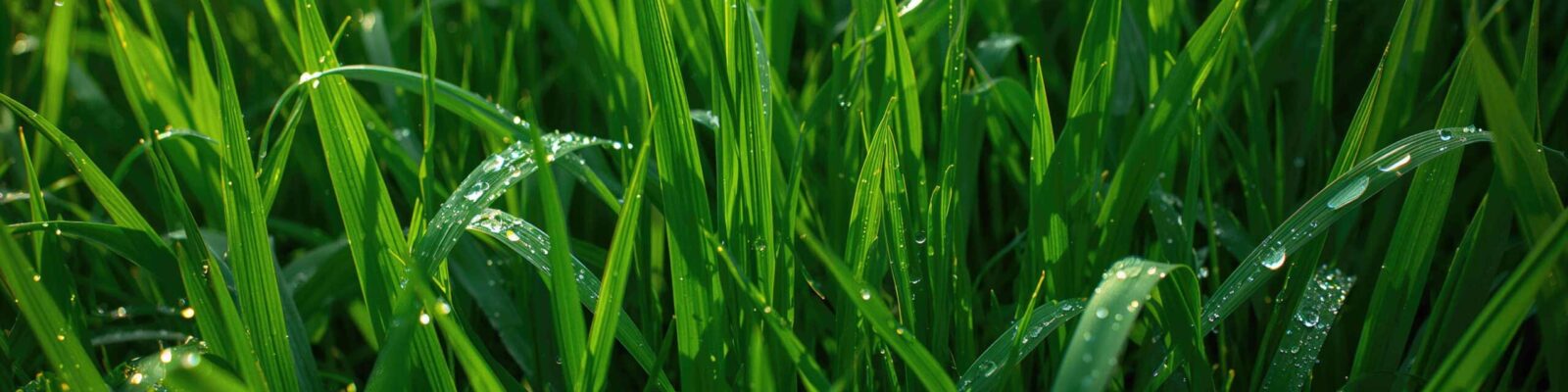
Detailed close-up photograph of vibrant green ryegrass blades covered in morning dew or water droplets, demonstrating healthy lawn conditions and proper grass maintenance for residential and commercia
Year-round Maintenance Schedule
A year-round maintenance schedule is crucial for maintaining a vibrant tall fescue lawn. In early spring, begin with fertilization and a first mow of spring to stimulate new growth. As the season progresses, regular mowing and consistent overseeding keep your lawn looking full and lush.
During summer, focus on maintaining soil moisture and timely irrigation to navigate the increased heat successfully. Incorporate lawn aeration in the fall, and finish the year with a winterizing treatment that prepares the grass for colder months.
Advanced Lawn Care Tips
Following advanced lawn care tips can significantly enhance the overall health and appearance of your tall fescue lawn. Seasonal adjustments and a more sophisticated understanding of your lawn’s unique needs will allow you to tailor care strategies accordingly.
Consider these tips:
- Seasonal overseeding: Improve density and resilience by overseeding during the growth periods.
- Soil pH testing: Ensure optimal soil conditions to support robust growth.
- Regular pest inspections: Prevent infestations by monitoring lawn health frequently.
- Adjusting mowing height: Adapt mowing frequency and height to changing seasons.
- Early treatment for disease: Implement preventative measures before high-risk periods.
- Tailored fertilization plans: Use specific fertilizers depending on the time of year.
Professional Lawn Care Services
Engaging with professional lawn care services can provide expert guidance and diligent lawn management, especially when challenges extend beyond common home care knowledge. Companies specializing in turf care offer tailored plans to ensure warm season grasses and tall fescue co-exist beautifully on your property.
Professional services, such as from about Guardian South, include specialized equipment and expertise to enhance lawn quality and resolve issues that standard DIY methods may not address efficiently.
Protect Your Lawn Year-Round
Our seasonal treatment plans are designed to tackle each season's challenges to ensure a healthy lawn.
Tall Fescue Lawn Guide FAQ
For successful seeding of Tall Fescue grass, start by preparing the soil with adequate aeration and removal of weeds. The best time to seed is in the early fall or late spring to take advantage of favorable growing conditions.
After seeding, maintain consistent watering until the grass establishes and avoid activities that can disrupt young seedlings. Consult with professionals for guidance on when to put down grub killer to protect your new grass from pests.
Watering Tall Fescue grass typically requires around 1 to 1.5 inches of water per week, either from rainfall or irrigation. This amount sustains its growth and keeps it healthy.
During hotter periods, you might need to increase watering frequency slightly, but avoid overwatering to prevent fungal diseases. A consistent schedule complements other lawn care practices to maintain a thriving Tall Fescue lawn.
Tall Fescue grass is quite versatile and can survive reasonably well in shaded areas. However, it performs best in spots with partial to full sun.
To maximize its health in shaded conditions, ensure appropriate watering and consider reducing mowing frequency to help the grass conserve energy and grow more robustly under limited light conditions.
Common pests that affect Tall Fescue grass include grubs, sod webworms, and chinch bugs. These pests can cause significant damage if not promptly identified and treated.
Regular lawn pest identification helps detect these pests early and allows for timely intervention with appropriate pest control measures. Contact a lawn care professional for advice on maintaining a pest-free Tall Fescue lawn.
Managing weed growth in Tall Fescue involves a combination of proper mowing, fertilization, and weed control for lawns services. Regular maintenance like mowing at the recommended height limits weed seed exposure to sunlight and helps maintain dense grass cover.
Additionally, applying pre-emergent and post-emergent herbicides at the appropriate times can effectively control weed growth without harming your Tall Fescue grass. For customized solutions, consider engaging professional weed control services.
The best time to fertilize Tall Fescue grass is during the early fall and late spring. Fertilization during these periods supports vigorous growth, helps repair damage from summer stress, and prepares the grass for winter conditions.
Combining fertilization and weed control efforts during these optimal periods ensures your Tall Fescue lawn stays healthy and vibrant year-round. Consult with a lawn care specialist to tailor a plan specific to your lawn's needs.
The ideal mowing height for Tall Fescue grass is between 3 to 4 inches. Maintaining this height helps to develop a strong root system, shade the soil to minimize weed growth, and keep the lawn looking lush and healthy.
Regular mowing at the proper height not only enhances the aesthetic appeal of your lawn but also reduces stress on the grass, especially during hot, dry periods.