Understanding Lawn Diseases
Lawn diseases are a common issue that many homeowners in Alabama face. These diseases can significantly impact the health of your lawn if not diagnosed and treated promptly. Brown patch fungus, dollar spot disease, and lawn rust disease are among the most prevalent diseases affecting lawns in this region.
Each of these diseases presents unique symptoms and can wreak havoc on your grass, turning it brown and sickly. Timely recognition and action are crucial in managing these diseases effectively, ensuring your lawn remains lush and green.
Importance of Diagnosis
Accurate lawn disease identification is vital in ensuring the correct treatment is applied. Misdiagnosis can lead not only to ineffective treatments but may also exacerbate the problem. By understanding the symptoms and conditions that foster specific diseases, you can make informed decisions about care and treatment.
Moreover, proper diagnosis can prevent future disease outbreaks by addressing underlying issues, such as soil conditions and watering practices, that might contribute to a disease-friendly environment.
Overall Lawn Disease Management
Lawn disease management is not just about curing existing problems but also involves preventative measures to protect your grass. Regular monitoring for symptoms, maintaining good lawn care practices, and applying suitable treatments are all essential aspects of robust lawn care.
Proactive management includes using resistant grass varieties and practicing appropriate dollar spot disease prevention techniques, thereby reducing the chances of disease recurrence. Early intervention and consistent care are your best weapons against lawn diseases.
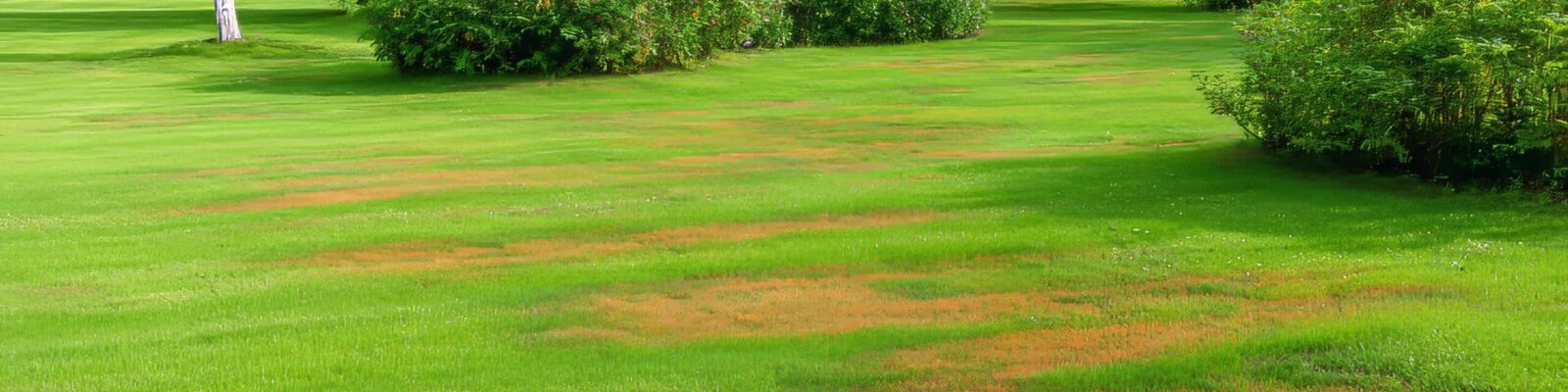
Dollar spot disease affecting a residential lawn, displaying characteristic brown and tan circular patches across the turf. Mature trees, flowering shrubs, and a brick home visible in background showi
Identifying Common Lawn Diseases in Alabama
Alabama’s climate provides an ideal environment for various lawn diseases. Understanding the specific characteristics of each can help in effective lawn disease identification and control.
Brown Patch Disease
Brown patch disease caused by the pathogen Rhizoctonia solani is notorious for its large circular patches of dead grass. These patches are particularly noticeable during the humid, warm months typically seen in Alabama.
Recognizing this disease early is crucial. If your lawn has brown patches, ensure proper drainage, reduce excess thatch, and consider chemical treatments designed to tackle brown patch fungus.
Dollar Spot Disease
The naming of dollar spot disease reflects the silver dollar-sized spots it creates on grass blades. It’s critical to be aware of dollar spot disease in terms of symptoms, causes, and management techniques.
Symptoms: Circular patches on grass
Causes: High humidity and poor drainage
Management: Proper watering practices
Lawn Rust Disease
Lawn rust disease primarily appears as orange or rust-colored powder on grass blades, typically noticed during periods of dry weather. This disease can quickly spread if not managed properly, leading to a weak lawn susceptible to other issues.
Careful monitoring and removal of affected blades can help limit its spread, while balanced fertilization can strengthen your lawn’s resistance.
Preventive Measures for Lawn Diseases
Preventing lawn diseases involves a comprehensive approach that targets multiple aspects of lawn care. By integrating effective practices, you can significantly reduce the risk of disease.
Watering Techniques
Proper watering practices are crucial for maintaining lawn health and disease prevention. Avoid over-watering, as excess moisture creates a conducive environment for summer lawn watering related diseases.
Water your lawn early in the morning, allowing moisture to evaporate throughout the day, reducing disease likelihood.
Fertilization Practices
Fertilization plays a pivotal role in preventive lawn disease control. A well-nourished lawn is better equipped to resist diseases. Choose a balanced fertilizer suited for your grass type and season.
Adhering to the correct schedule ensures nutrient availability, minimizing the risk of disease emergence in spring lawn care.
Over-fertilization, however, can lead to an excess of nutrients, particularly nitrogen, which can favor disease development rather than prevention.
Lawn Equipment Maintenance
Regular maintenance of lawn equipment aids in the prevention of disease spread. Dull mower blades can tear grass, making it vulnerable to infection. Ensure your equipment is clean and sharp before use.
Additionally, avoiding the use of equipment when the grass is wet reduces the risk of spreading diseases and ensures that any seeds won’t be inadvertently spread across your lawn.
Eco-Friendly Lawn Solutions
Commit to green. Our eco-friendly services enhance lawn health while protecting the environment.
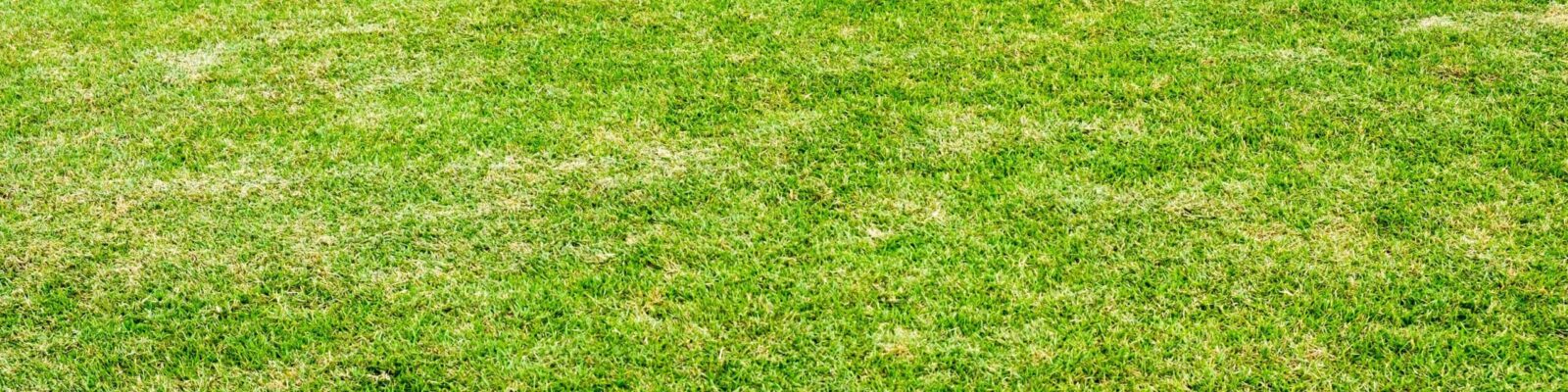
Close-up view of brown patch fungal disease affecting residential lawn with visible circular dead patches scattered across otherwise healthy green grass, demonstrating need for professional lawn treat
Recommended Treatments for Common Lawn Diseases
Once a lawn disease is identified, applying the correct treatment promptly can restore your lawn’s health. The choice between chemical and organic solutions depends on your preference and the severity of the issue.
Chemical Treatments
Chemical treatments are often essential for aggressive diseases. Products like fungicides are specifically designed to tackle diseases such as brown patch and are applied as per the manufacturer’s instructions.
While effective, it’s crucial to use these chemicals responsibly to avoid potential harm to beneficial organisms in the soil.
Organic Solutions
Organic solutions are an eco-friendly alternative, using natural products that are gentler on the environment. Compost teas and neem oil are popular options for organic disease management.
These solutions are generally safer for your family and pets while promoting a healthy ecosystem in your lawn disease identification process.
While organic treatments may take longer to show results, they offer sustainable management options in the long term.
Ongoing Maintenance
In conjunction with treatment applications, ongoing maintenance is key to preventing disease emergence. Regular lawn disease control checks and balanced care practices ensure a robust lawn.
Periodic aeration to relieve soil compaction, timely reseeding, and proper seasonal adjustments maintain lawn health year-round.
Tips and Tricks for Maintaining a Healthy Lawn
Maintaining a healthy lawn is an ongoing process that requires attention to detail and disciplined care habits. Here are some practical tips to keep your grass disease-free.
Healthy Yard Maintenance Tips
Adopting a consistent lawn care routine ensures a pristine yard, minimizing disease risks.
Regular mowing at ideal height: Maintains grass’s resistance to disease.
Avoid overwatering: Prevents moisture-related diseases.
Fertilize at the right time: Promotes healthy growth and disease resistance.
Aerate to improve soil health: Reduces compaction and enhances root development.
Keep lawn debris cleaned: Reduces disease incubation spots.
Monitor and inspect for signs of disease: Early detection is crucial in management.
Seasonal Adjustments
Each season requires specific adjustments in lawn care practices. In spring, focus on waking your lawn up gently from winter dormancy.
During summer, regular summer lawn care measures, such as proper irrigation and mowing, provide optimal conditions for growth without encouraging disease.
Fall presents an opportunity for overseeding and fall weed control, establishing a robust lawn heading into winter.
Educating Yourself on Lawn Care
Keeping informed about lawn care techniques and emerging diseases can prevent issues before they start. Resources, such as community workshops and online articles, are invaluable for learning.
Following expert bare spots in lawn repair techniques and guidelines ensures that every patch of your lawn receives the care it needs.
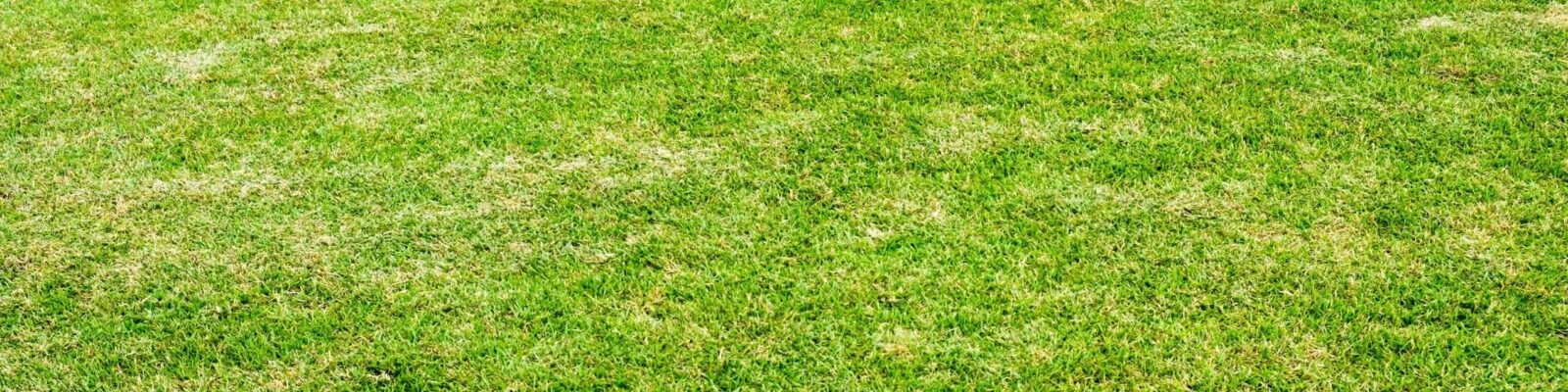
Close-up view of a residential lawn showing significant armyworm infestation with visible brown patches and dead grass areas. Demonstrates lawn pest damage requiring professional pest control treatmen
How to Seek Professional Help for Severe Lawn Disease Issues
Dealing with lawn diseases can sometimes be overwhelming, particularly when problems persist. Knowing when to call in professionals can save your lawn and time.
When to Call Professionals
Despite best efforts, there are situations where professional intervention is needed. Consider professional help if you face:
Repeated outbreaks of lawn diseases: Persistent issues may indicate underlying problems requiring expert diagnosis.
Difficulty in identifying specific diseases: Professionals have the tools and knowledge to accurately diagnose issues.
Need for specialized treatment methods: Complex treatments may require professional application.
Lack of improvement despite home care: Professional assessment can uncover overlooked issues.
Resource constraints for treatment: Professionals can utilize resources unavailable to homeowners.
Choosing the Right Service
With many services available, selecting the right one is critical. Look for companies with certified professionals who offer a comprehensive range of services, such as those advertised in fall lawn care.
A good service should offer a tailored approach to your lawn’s specific challenges, with transparent communication through every step of the process.
What to Expect from Professional Services
Expect a thorough analysis of your lawn along with a detailed lawn disease identification and treatment plan aimed at solving the identified problems.
Most companies will follow up with regular inspections and consultations to ensure issues are effectively resolved.
Lawn Disease Identification Guide FAQ
Signs of lawn diseases often manifest as patches of discolored grass, uneven growth, or visible growths like mold or mildew on the grass blades. You might notice thinning areas or irregular brown patches across your lawn's surface.
Early lawn disease identification is crucial for effective lawn disease treatment. If you suspect your lawn is suffering from a disease, it's a good idea to consult with a lawn care expert who can accurately diagnose the problem and recommend a suitable course of action.
Preventing lawn diseases revolves around proper lawn care and consistent yard maintenance services. Good practices include maintaining the right mowing height, ensuring adequate watering without oversaturating, and promoting good soil health with regular aeration and fertilization.
A proactive approach with a reputable lawn care provider can also help in identifying potential issues before they become problems. Implementing a regular lawn care schedule tailored to your region's conditions will ensure that your lawn remains lush and disease-free year-round.
Effective treatments for lawn diseases depend on accurately identifying the type of disease affecting your grass. Common lawn disease treatments include applying fungicides specifically designed for the disease, improving aeration to reduce moisture, and adjusting your mowing and watering practices to ensure optimal lawn health.
For lawn fungus treatment, it's essential to address environmental factors, such as soil drainage and airflow, which can create favorable conditions for fungal growth. Consulting with professional lawn services can help ensure the correct diagnosis and effective treatment regimen to restore your lawn to its natural beauty.
You should consider seeking professional lawn care services when you notice persistent issues that basic care can't resolve, such as chronic weeds, recurring diseases, or bare patches that don't improve over time. Professional lawn care can also be a great asset when you want to enhance the overall appearance of your lawn or when you're preparing for a special occasion.
Expert lawn care services bring specialized knowledge and equipment to diagnose problems, offer precise treatments, and perform routine maintenance. Hiring professionals can save you time and often provide more effective results than DIY efforts. Don't hesitate to consult with lawn care experts to evaluate your lawn's health and create a tailored maintenance plan.
Most lawn diseases are caused by fungi that specifically target grasses; thus, they are typically not contagious to other types of plants in your garden. However, conditions favorable to lawn diseases, such as excessive moisture and poor air circulation, can also affect other plant health.
To manage lawn diseases, timely lawn disease treatment is crucial. Additionally, engaging yard clean up services can help remove infected debris, reducing the chance of the disease spreading or recurring. Regular yard maintenance is key to minimizing the overall spread of disease throughout your green spaces.
Identifying different lawn diseases requires attention to specific symptoms that appear on your grass. Common signs of lawn disease include discolored patches, moldy growths, and irregularly shaped dead spots. To effectively pursue lawn disease identification, you'll need to consider the time of year and recent weather patterns. For instance, red thread thrives in cooler, moist conditions, while dollar spot may emerge in warmer weather.
Once identified, it's important to begin lawn disease treatment to prevent spread and restore your lawn's health. Treatment options may include fungicides, improved watering schedules, or adjusting lawn maintenance practices. It's also beneficial to consult with a lawn care professional for precise diagnosis and treatment plans.