What is Lawn Rust Disease?
Lawn rust disease is a common issue affecting turfgrass, primarily in cool-season grasses. It manifests as an orange or yellowish powder on grass blades, which can easily be mistaken for general browning or seasonal changes. This disease is a fungus that thrives in specific climatic conditions, and if left unmanaged, it can significantly impact the health and appearance of your lawn.
Rust usually develops during periods of warm, humid weather, particularly when the grass is not actively growing. Identifying the disease early is crucial for effective management, as it directly influences the strategies you can employ to mitigate the damage and restore your lawn’s health. Understanding the nature and behavior of lawn rust disease helps in adopting appropriate lawn disease control measures to prevent outbreaks.
Symptoms of Lawn Rust Disease
Recognizing the symptoms of lawn rust disease is essential for timely intervention. The most indicative sign is the presence of orange or yellowish spores coating the grass blades, resembling rust. These spores can be transferred easily to other parts of the lawn through wind, water, or physical contact, increasing the likelihood of further spread.
Besides the visible discoloration, affected grass can become thin, weak, and more susceptible to other types of damage. You may notice that grasses with rust tend to grow more slowly than usual, and the patches might become prominent, blending oddly with the healthy areas. Identifying these symptoms allows for prompt lawn disease control efforts, helping to curb the spread before more severe damage occurs.
Impact on Grass Health
While not immediately fatal, lawn rust has a considerable impact on turfgrass health. Severe infestations can weaken the grass, making it more vulnerable to other diseases and environmental stresses. Lawn rust primarily affects the aesthetic appeal of your grass by causing uneven coloring and unattractive patches across your yard.
The reduced vigor of the grass can lead to complications like diminished growth and increased susceptibility to pests or other pathogens. Consistent monitoring and proactive treatment can mitigate these impacts, enabling you to maintain a lush, green lawn despite the challenges posed by rust. Additionally, understanding issues such as grass turning yellow or experiencing brown spots in the lawn are key components in effective lawn management strategies.
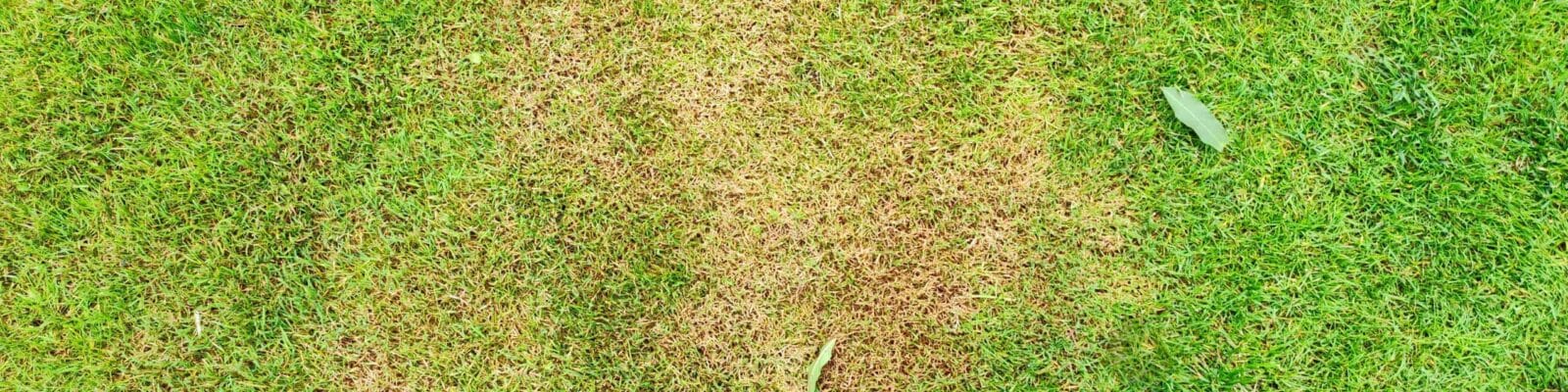
Close-up aerial view of lawn rust disease spreading across residential turf, showing characteristic brown and tan patches mixed with healthy green grass. This fungal lawn disease requires professional
Environmental Conditions Favoring Rust
Lawn rust flourishes under specific environmental conditions, typically requiring warm, humid weather to thrive. When temperatures range between 68 and 86 degrees Fahrenheit, the risk of developing rust increases substantially. Regularly irrigated lawns, especially those where water sits on the grass for extended periods, can become breeding grounds for rust.
Poor circulation, especially in sheltered or shaded areas, can increase disease incidence. Regular maintenance can mitigate these risks by ensuring better sunlight exposure and air circulation. Taking these environmental factors into account is vital when aiming to prevent and manage lawn rust effectively through strategic lawn disease identification and response.
Common Causes
Understanding the causes of lawn rust is essential for implementing effective prevention strategies. Here are some common contributing factors:
- High humidity levels: Fostering a suitable environment for the growth of rust spores.
- Poor air circulation: Can increase moisture retention, promoting rust development.
- Over-fertilization: Excess nitrogen can make grass more susceptible to infections.
- Inadequate sunlight: Promotes damp and cool conditions favoring rust.
- Dampness from watering: Extended moisture on grass blades aids rust spread.
- Infections from other diseases: Diseases like brown patch fungus can combine with rust to damage lawns.
- Neglect of lawn maintenance: Can lead to conditions favorable for rust growth.
- Seasonal conditions: Certain times of the year naturally promote rust development.
Mitigating these causes involves regular maintenance and thoughtful approaches to lawn care, ensuring your lawn stays healthy and rust-free. Consider other potentially harmful diseases such as dollar spot disease for comprehensive lawn protection.
Organic Treatment Options
Organic treatment options for lawn rust disease focus on improving lawn health and resilience naturally. One of the most effective methods includes proper mowing and watering, which enhances grass health and reduces rust susceptibility. Regular aeration and dethatching can also improve soil conditions, promoting healthier grass growth.
Natural fungicides, such as neem oil, can be applied to reduce rust spread. These options are environmentally friendly and help maintain the lawn’s ecological balance. Organic treatments provide a sustainable approach, ensuring the long-term health of your lawn without relying heavily on chemicals, which is especially beneficial when planning for fire ant treatment concurrently.
Chemical Solutions
Chemical solutions are available for more aggressive rust infections. Fungicides containing active ingredients such as myclobutanil or propiconazole have proven effective against lawn rust disease. These should be applied at the first sign of infection and repeated as necessary according to the manufacturer’s instructions for optimal results.
When using chemical treatments, it is crucial to follow all safety precautions to minimize any adverse effects on your lawn and the environment. Combining chemical solutions with proper lawn disease control practices can enhance their effectiveness and speed up recovery.
Consulting a professional can also provide insights into the best products for your specific lawn conditions. Addressing potential threats like sod webworm infestations can further guard against disease vulnerabilities.
Post-Treatment Care
Post-treatment care is vital in restoring lawn health and preventing future outbreaks. After applying treatments, ensure your lawn receives adequate water and nutrients to aid in recovery. Regular mowing and avoiding heavy foot traffic can also help in maintaining healthy grass.
Further, monitoring for any recurring symptoms of rust and maintaining regular lawn care practices can prevent future problems. By integrating continuous care with insights from previous treatments, you secure the lawn’s longevity and resistance to recurring issues.
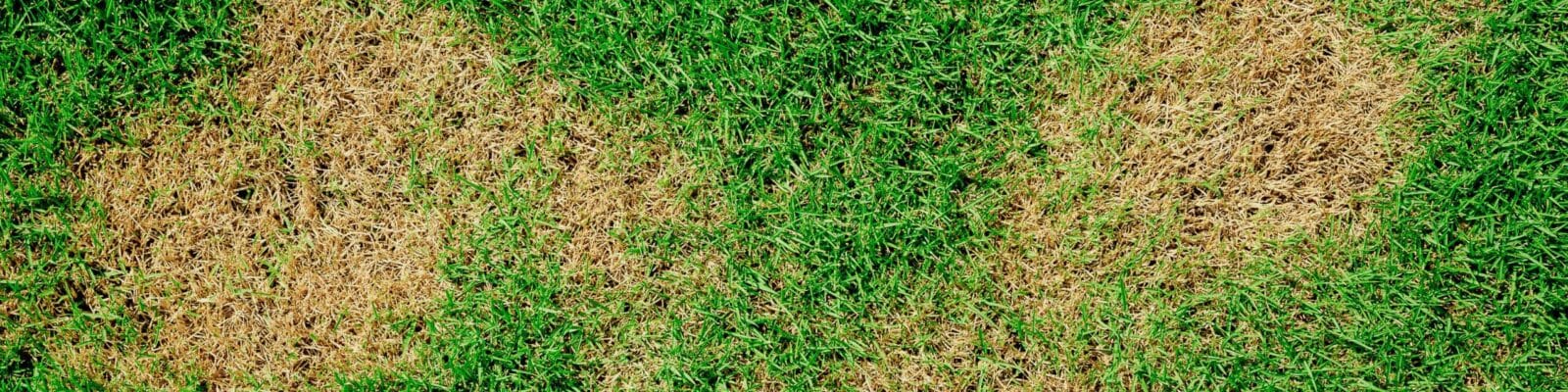
Close-up aerial view of lawn rust disease affecting grass, displaying brown and tan discolored patches across a residential yard. This fungal disease requires professional lawn treatment and maintenan
Regular Lawn Maintenance
Maintaining a regular lawn care routine is essential in preventing lawn rust disease. Regular mowing, watering, and fertilization keep the grass healthy and more resistant to infections. Implementing routine evaluations of the lawn helps identify early signs of diseases, facilitating quicker response and management.
Even during preventative measures, keep an eye on symptoms related to other problems, such as pests or nutrient deficiencies. An integrated approach ensures that your lawn remains healthy and visually appealing.Summer lawn watering strategies, for example, are a vital element in these preventive measures.
Preventative Actions
Effective prevention strategies can safeguard your lawn against rust and other diseases.
- Proper watering techniques: Ensure deep watering fewer times a week rather than overwatering.
- Mowing at the right height: Maintains grass health by ensuring it is neither too short nor too long.
- Aeration practices: Improve soil health and air circulation, reducing humid conditions that favor rust.
- Using fertilizer correctly: Prevents excessive nitrogen application, which can cause rapid and weak growth.
- Improving sunlight exposure: Reduce shade by trimming overhanging branches.
- Removing debris and clutter: Prevents damp areas where rust can thrive.
- Implementing seasonal lawn care: Adapts care to weather and grass growth patterns, optimizing resilience.
- Monitoring for early signs of disease: Enables earlier intervention and treatment.
By focusing on these preventative measures, you’ll effectively control the conditions that favor rust, maintaining a lush and healthy lawn throughout the year. Integrating regular checks for other issues such as white grub control and chinch bug management further enhances lawn protection.
Understanding Grass Types
A crucial aspect of managing lawn rust disease is understanding the specific grass types in your lawn. Different grass species have varying resistance levels to rust and other diseases, which can influence treatment and prevention strategies. For instance, perennial ryegrass and Kentucky bluegrass are more susceptible to rust than other varieties.
Choosing the right grass type, or a mix that suits your regional conditions, can enhance disease resistance and lower maintenance needs. Grass type considerations, integrated with other strategies like dandelion management, create a more resilient turf environment.
Soil Health
Soil health plays a vital role in the overall health of your lawn and its ability to resist diseases like rust. Healthy soil supports robust root systems, ensuring that grass can recover from and resist infections better. Regular soil testing can help determine nutrient needs and pH adjustments required for optimal grass health.
Improving soil structure through organic matter and proper fertilization can enhance root growth and resilience against diseases. Addressing soil health not only improves resistance to rust but also helps control other problems like nutsedge infestations. Taking a holistic approach to soil management ensures better outcomes for long-term lawn health.
Amending the soil with the right materials, such as lime or sulfur depending on pH needs, can significantly enhance nutrient uptake and turf health. This proactive approach leads to a healthier lawn capable of fending off rust and other diseases.
Timing and Seasonal Care
Timing is crucial for the effective treatment and prevention of lawn rust. Recognizing the right times of the year to apply preventive measures or treatments can enhance their effectiveness. Late spring and early fall are typically the best times for rust management, as these are peak periods for grass growth and disease activity.
Incorporating seasonal lawn care practices into your routine ensures readiness for potential outbreaks. Adjusting fertilization, mowing, and watering schedules based on seasonal changes optimizes lawn health, effectively deterring rust. Scheduling preventive treatments and care during these periods also aligns with other pest management tactics, such as armyworm control.
Overall, coordinating care activities with seasonal variations helps maintain a resilient, disease-resistant lawn. Tailoring practices to specific grass needs enhances prevention efforts.
Myth #1: Rust is Harmless
Contrary to popular belief, rust is not entirely harmless. While it may not immediately kill the grass, it can weaken the plant, predisposing it to other diseases and pests. Rust affects photosynthesis by coating the grass blades, diminishing their ability to convert sunlight into energy, which can impact the overall growth and health of the lawn. Addressing this misconception is crucial for homeowners to take timely action against lawn disease treatment.
Myth #2: Only Chemical Treatments Work
While chemical treatments are effective, they aren’t the only solution for managing lawn rust. There are various organic treatments available that can adequately control and prevent the disease. Organic options like neem oil or enhanced lawn care practices can improve grass health and resistance, offering a more sustainable approach without relying solely on chemicals. Exploring diverse treatment methods ensures all bases are covered, reducing reliance on chemicals alone.
An integrated approach using both chemical and organic methods may provide the best results, particularly when aiming for more comprehensive pest control strategies like tick management.
Myth #3: Once Treated, It Won’t Return
A common misconception is that treating rust once is a permanent cure. However, rust can return if conditions favorable to its growth are present. Continued vigilance and proper lawn care practices are necessary to prevent recurrence. Rust is often seasonal, and environmental conditions can change, making it a recurrent issue if not carefully managed.
- All diseases are seasonal: Even treated lawns need ongoing care to prevent resurgence.
- Rust only affects specific grass types: It can impact multiple grass varieties under suitable conditions.
- Rust can be fully eradicated: It requires continual management, not just one-time treatment.
- Chemical treatment eliminates all issues: It doesn’t address underlying conditions favoring disease growth.
- Organic treatments are less effective: When used properly, they offer significant benefits and disease control.
- Healthy lawns do not need preventative measures: Preventative actions reduce rust risk, even in robust lawns.
- Rust only occurs in wet weather: It can develop in various conditions, making constant monitoring essential.
Understanding these myths and realities can dramatically improve lawn care approaches, enhancing both effectiveness and sustainability over time.
Final Thoughts on Treatment
Effective treatment for lawn rust disease requires an understanding of its causes, symptoms, and preventive strategies. The combination of organic and chemical treatment methods, tailored to your lawn’s specific needs, can significantly mitigate rust impact and promote healthier turf. The holistic approach considers both current conditions and likely future threats, enabling lawn care that adapts over time.
Integrating treatment solutions with regular monitoring and maintenance tasks keeps rust at bay and prolongs your lawn’s healthy appearance. Knowing when to apply these treatments can optimize results and ensure lush growth throughout the year, in conjunction with strategies addressing other concerns such as nutsedge control.
Importance of Consistent Care
Maintaining a consistent care routine is crucial for preventing lawn rust disease. Regular mowing, appropriate fertilization, and vigilant monitoring for signs of infection help uphold grass health and resilience. Consistency cultivates an environment where disease is less likely to take hold, ultimately supporting a rich and vibrant yard.
Implementing routine attention to lawn health the entire year can help preclude disease development, preserving its aesthetic appeal and structural integrity despite changing seasonal conditions. Consider incorporating insights from lawn disease control resources into your maintenance regimen for sustainable lawn health.
Seeking Professional Help
Though many homeowners are equipped to manage lawn rust disease, professional assistance can provide tailored treatments and insights specific to your lawn’s unique conditions. Professionals bring experience and expertise, often detecting early indicators of potential problems or applying advanced solutions that might not be otherwise available.
When experiencing persistent lawn issues, consider contacting a professional for a detailed analysis and specific treatment suggestions. Especially if dealing with complex issues involving multiple plant health factors, expert consultations can play a vital role. Linking with services for lawn disease identification can augment your lawn care strategies, enhancing their effectiveness.
Lawn Rust Disease Treatment FAQ
Lawn rust disease is a fungal infection that causes yellow-orange patches on grass blades, affecting their appearance and vitality.
The disease thrives in warm, humid conditions and can weaken grass if left untreated. Implementing effective lawn rust disease management practices is crucial for maintaining a healthy lawn.
You can tell if your lawn has rust disease by noticing yellow-orangish powder on the blades of grass. This powdery substance rubs off easily and is indicative of lawn rust disease.
Regular monitoring and timely lawn rust disease treatment can quickly manage and resolve this issue, restoring your lawn's healthy appearance.
Effective treatments for lawn rust typically include fungicidal sprays and improving cultural practices like mowing and watering schedules.
Consulting a professional lawn disease treatment provider can help determine the best approach to resolve and prevent lawn rust, tailored to your specific lawn conditions.
Lawn rust disease primarily affects grasses, but under severe conditions, the fungal spores can spread to other nearby plants. However, this is relatively uncommon.
Implementing an effective lawn disease treatment protocol can contain the fungus, protecting both your lawn and surrounding garden plants.
Preventing lawn rust from recurring requires consistent lawn disease treatment practices like improving air circulation, reducing shade, and maintaining appropriate moisture levels.
Regular applications of balanced fertilizers and fungicides can help fend off future outbreaks, keeping your lawn free of rust and other diseases.
Lawn rust is generally not harmful to pets. However, it can be a sign of lawn stress that needs addressing to maintain a healthy outdoor environment.
Effective lawn rust treatment can quickly restore your lawn's health, ensuring it remains a safe and attractive space for your pets to enjoy.
The best time to treat lawn rust is in the late spring or early summer when the disease is most active. During these times, frequent monitoring and prompt action can prevent severe outbreaks.
Utilizing targeted lawn rust treatment methods can effectively reduce the disease's impact, promoting healthier grass throughout the growing season.
Organic treatments can be effective for lawn rust if applied consistently and correctly. They typically involve using neem oil or compost tea, which are environmentally friendly options.
Consult with a professional lawn service company to ensure the appropriate organic products are used efficiently to control lawn rust without causing harm to the environment.