Introduction to Perennial Ryegrass
Perennial ryegrass is a popular choice for lawns in Alabama due to its fast germination and lush appearance. This cool-season grass thrives in areas with moderate climates, making it ideal for transitional zones. In contrast to St Augustine grass, perennial ryegrass offers a finer texture and a vibrant green hue all year round.
One of the main benefits of perennial ryegrass is its ability to establish rapidly, which helps in quick lawn recovery. It is often used for overseeding warm-season grasses during winter, allowing homeowners to maintain a green lawn throughout the year. Moreover, its tolerance for high wear makes it suitable for high-traffic areas.
Choosing the right grass for your lawn can be daunting, but perennial ryegrass stands out due to its adaptability and durability. Unlike other cool season grasses, it handles varying weather conditions exceptionally well. Additionally, its aesthetic appeal is unmatched, providing a lush oasis in any garden.
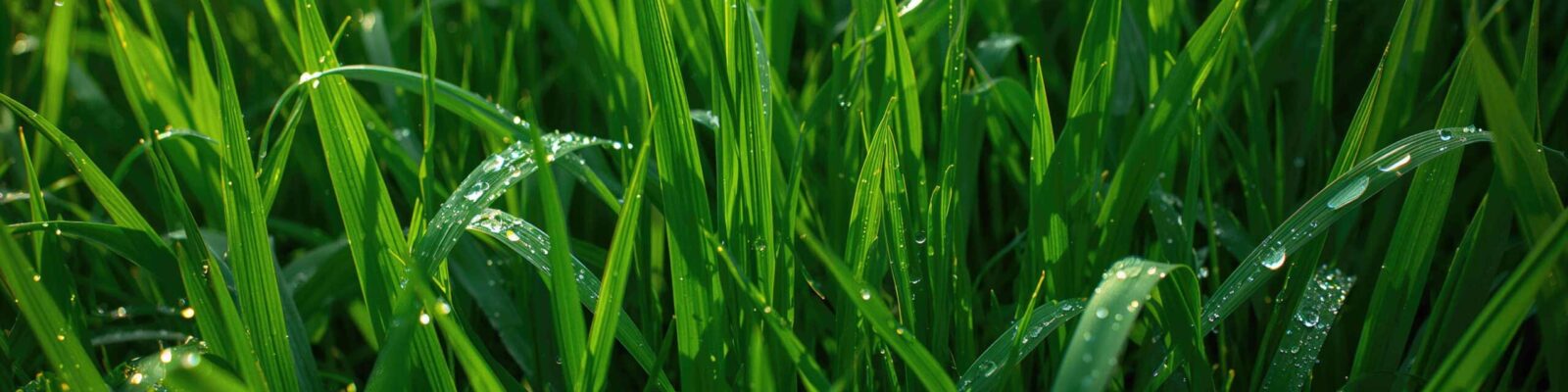
Detailed close-up photograph of vibrant green ryegrass blades covered in morning dew or water droplets, demonstrating healthy lawn conditions and proper grass maintenance for residential and commercia
Preparing Your Soil
To plant perennial ryegrass successfully, soil preparation is key. Begin by testing the soil to ensure its pH level is between 6.0 and 7.0. This grass type thrives in well-drained, fertile soil, so if necessary, incorporate organic matter to improve soil structure.
Sowing Seeds and Recommended Techniques
Proper seed sowing techniques are crucial for establishing a healthy ryegrass lawn. Here are some key considerations:
- Timing of seeding: Ideally, seed during the fall for rapid establishment before winter.
- Seed depth and coverage: Seeds should be sown at a depth of about a quarter-inch and evenly distributed.
- Best soil conditions: Ensure the soil is moist but not saturated, allowing seeds to settle in comfortably.
- Watering requirements: Regular, light watering helps seedlings to germinate and grow steadily.
- Use of fertilizers: Applying a starter fertilizer high in phosphorus will promote root development.
Once you have sown the seeds, maintain consistent moisture in the soil to support germination and root establishment.
Post-Planting Care
After planting, ongoing care is essential to ensure your ryegrass lawn reaches its full potential. Keep the grass moist but avoid waterlogging, and do not step on new seedlings until they are well established.
It’s important to keep an eye on the growth of the ryegrass and make the necessary adjustments to your watering and mowing routines as the grass matures. Regular monitoring will help prevent issues like pests or tall fescue grass encroachment from affecting your lawn’s health.
Mowing Practices
Maintaining a proper mowing routine is crucial for perennial ryegrass health. Keep your lawn at a height of about 2.5 to 3 inches, which enables lush growth and prevents weed establishment. Frequent mowing, about once a week, will help keep the grass healthy and vibrant.
Watering Guidelines
Consistent watering is essential for perennial ryegrass, especially during dry spells. Water deeply twice a week, ensuring the soil receives about 1 inch of water per session. This deep watering encourages root growth, improving drought resilience.
For guidance on specific seasonal watering needs, refer to our resources on zoysia grass care, which provide excellent insights for maintaining moisture levels during extreme temperatures.
Fertilization Tips
Fertilize perennial ryegrass throughout its growing season, focusing on nitrogen-rich blends. Starting with an application in early spring, follow with additional treatments every 6–8 weeks to maintain vigor and lush growth.
Consult our comprehensive review of when to apply pre-emergent treatments to coincide with your fertilization schedule, ensuring weeds are kept at bay.
Pest and Disease Management
Regular monitoring for pests and diseases is essential. Implement integrated pest management (IPM) techniques to control infestations naturally, using chemicals only as a last resort.
For further reading on the best practices in Alabama, visit our Alabama grass types guide, which offers targeted strategies for maintaining healthy lawns.
Eco-Friendly Lawn Solutions
Commit to green. Our eco-friendly services enhance lawn health while protecting the environment.

Happy family camping in a well-maintained backyard with lush green grass, evergreen trees, and landscaping. Shows the results of professional lawn care creating a safe outdoor environment for family a
Common Pests
Your perpetual ryegrass can attract various pests that lead to significant damage if not addressed promptly. Watch out for grubs, armyworms, and sod webworms, which are known to cause havoc on lawns.
Recognizing Symptoms of Disease
Identifying diseases early can prevent lawn deterioration. Common signs include discolored patches, thinning grass, and the presence of fungal growth. If these symptoms appear, act quickly to diagnose and remediate the condition.
For accurate identification tips, review our lawn disease identification guide for detailed visual cues and actionable steps.
Control Measures
Effective management includes chemical and non-chemical methods, tailored to your lawn’s specific needs:
- Chemical treatments: Apply pesticides judiciously to combat severe pest intrusions effectively.
- Organic solutions: Consider natural predators or organic compounds that protect grass without harming beneficial insects.
- Preventative practices: Regular lawn maintenance such as aeration and appropriate watering helps thwart pest proliferation.
- Regular inspection: Frequent checks help in early detection of anomalies, allowing for prompt intervention.
Routine care not only maintains lawn aesthetics but also promotes a resilient environment that naturally repels threats.
For comprehensive guidance, look into our centipede grass care page for parallel strategies applicable to different grass types.
Spring Care Checklist
Appropriate spring care sets the stage for a thriving lawn. Follow these essential tasks to ensure your perennial ryegrass flourishes:
- First mow of the season: Begin with a gentle cut, removing only the top third of grass blades to stimulate growth.
- Fertilization: Apply a balanced fertilizer to provide necessary nutrients after winter dormancy.
- Weed control: Use pre-emergent herbicides to curb weed growth early in the season.
- Aeration: Improve soil health by reducing compaction and enhancing airflow to roots.
- Overseeding: Fill in bare spots for a uniformly dense lawn.
Ensuring these practices are part of your routine will prepare your lawn for the warmer months ahead.
Summer Care Essentials
Summer maintenance involves adjusting techniques to manage heat and drought stress:
- Adjusting watering schedules: Increase watering frequency during peak heat but avoid overwatering.
- Pest control: Remain vigilant for signs of pest activity and adapt treatments accordingly.
- Turf health monitoring: Check for early disease signs and patch the affected areas promptly.
- Mower height adjustments: Prevent stress by raising mower blades to maintain a taller grass height.
These summer strategies will keep your ryegrass robust and vibrant, enabling it to handle seasonal challenges efficiently.

Happy family playing together on a vibrant, healthy green lawn during summer. Children enjoy water spray from hose while mother supervises on well-maintained yard, demonstrating professional lawn care
Successful Overseeding Techniques
Overseeding your ryegrass lawn ensures thick and lush coverage, minimizing bare spots and enhancing overall health. Frequent overseeding keeps your yard vibrant and helps it recover from wear.
Common Mistakes to Avoid
Steering clear of common mistakes will make your overseeding efforts more effective. Here are practices to be wary of:
- Not preparing the soil: Ensure proper soil conditions to support new growth by aerating and raking prior to seeding.
- Overwatering: Excess water can cause root rot, hence follow a structured watering schedule.
- Ignoring pest signs: Monitor for pest symptoms and address promptly to protect tender shoots.
- Skipping fall care: To ensure spring success, conduct thorough fall lawn care.
Avoiding these pitfalls will result in a thriving, dense lawn.
Resources for Better Results
Leverage available resources to enhance the health and beauty of your lawn. These include local extension services, online gardening forums, and professional lawn care guides.
Additionally, explore our section on fall overseeding to capitalize on ensuring methods particular to autumnal growth conditions.
Tips for a Lush Lawn
Maintaining a lush lawn enhances your garden’s appearance and adds value to your property. Consider these key practices:
- Regular aeration: Improves root respiration and nutrient uptake by alleviating soil compaction.
- Proper mowing height: Keeping grass cut to the suitable height reduces stress and encourages healthy growth.
- Consistent watering schedules: Prevent shallow root systems by deep watering.
- Fertilizer application timing: Ensure nutrients are available during peak growing periods through timely applications.
Executing these practices will sustain the vibrancy and health of your ryegrass lawn year-round.
Enhancing Yard Features
Complement your lush lawn with additional backyard features such as borders made of native plants or strategically placed garden ornaments to add visual interest. This integration of various garden elements enhances the overall landscape.
Sustainable Lawn Practices
Embrace sustainable techniques to reduce chemical use and promote a healthy ecosystem. These methods include composting grass clippings, utilizing organic fertilizers, and encouraging biodiversity.
Check our detailed article on when to aerate lawn for maximizing these sustainable practices throughout the year, ensuring environmental harmony within your garden.
Perennial Ryegrass Guide FAQ
Perennial ryegrass offers multiple benefits for lawns, including quick germination and a lush, green appearance. This grass type is resilient in cooler climates, making it an excellent choice for regions with cool-season grasses.
Its fine texture and vibrant color enhance the aesthetic appeal, while its wear tolerance makes it ideal for high-traffic areas.
Perennial ryegrass lawns should typically be watered about 1 to 1.5 inches per week, accounting for rainfall. It's best to provide deep, infrequent watering to encourage strong root growth.
Watering should ideally be done in the early morning to maximize absorption and reduce the chances of disease caused by prolonged moisture on the grass blades.
Common lawn pests you should be aware of include grubs, chinch bugs, and sod webworms. Recognizing these pests early with effective lawn pest identification can prevent severe damage to your grass.
Implementing an integrated lawn pest control strategy, including regular monitoring, biological controls, and targeted chemical treatments when necessary, can help keep these pests at bay and maintain your lawn's health.
To improve your lawn's density, begin by practicing consistent lawn care maintenance. Regular mowing, at the right height, encourages grass to grow thicker by promoting horizontal growth.
Additionally, aerating the soil and overseeding bare patches can introduce fresh growth and improve soil conditions. Implementing a fertilization schedule tailored to your lawn's specific needs will also provide essential nutrients for robust, dense grass.
The best time to overseed is typically in the early fall, allowing seedlings ample time to establish before winter. Alternatively, overseeding can also be done in early spring when soil temperatures begin to rise.
Timing overseeding alongside practices like aeration and ensuring optimal growing conditions improves seed-to-soil contact and establishes a healthy, resilient lawn. For assistance with timing and application, reach out to our lawn care professionals.
Identifying lawn diseases involves looking for symptoms such as discolored patches, wilting, and unusual patterns in grass growth. Other indicators include areas where the grass feels spongy or easily pulls away from its roots.
Accurate lawn disease identification is crucial for implementing effective treatment strategies. If you notice these symptoms, consulting a lawn care specialist can help diagnose and address the issue promptly.