What is Spring Lawn Care?
Spring lawn care involves a series of actions designed to prepare and maintain your lawn as it awakens from winter dormancy. It is a crucial time for implementing practices that will set the stage for a healthy and vibrant lawn throughout the growing season. By focusing on tasks that encourage root growth and weed prevention, you ensure that your lawn has the best possible start.
Fertilization, pre-emergent herbicide applications, and lawn aeration play significant roles during this period. Each task contributes to a lush and green landscape that enhances the beauty of your outdoor space. Understanding the dynamics of your local environment, especially in North Alabama, can make a significant difference in the effectiveness of your spring lawn care efforts.
Importance of Spring Lawn Care
Spring is the prime time to address issues that may have arisen over the dormant winter months. Tackling these early can prevent more significant problems later and set up your lawn for successful summer growth. One of the key benefits of effective spring lawn care is its role in weed prevention and promoting robust grass growth. By applying appropriate fertilizers and weed control measures, lawns can be kept free from the invasive plants that compete for nutrients.
Another important aspect of spring lawn care is its contribution to the overall aesthetics and health of your property. A well-maintained lawn increases property value and provides a safe, enjoyable space for recreation and relaxation. Effective spring care reduces the need for chemical interventions later in the year, creating a more environmentally friendly regimen for your patch of green.
Additionally, paying attention to your lawn in the spring ensures that it develops a deep root system, which is crucial for drought resistance and resilience against lawn diseases. Regular activities, such as spring lawn fertilization and aeration, support this development, promoting a stronger and healthier lawn.
Main Tasks for Spring Lawn Care
The main tasks involved in spring lawn care are designed to prepare your lawn for the coming warm months. These include core activities like fertilizing, aerating, and applying pre-emergent herbicides early on to prevent weeds from taking root. Ensuring adequate and timely watering is also key to supporting new growth and maintaining the aesthetic appeal of the lawn.
Other important tasks include regular mowing to the appropriate height, usually initiated with the first mow of spring once the grass begins to grow, and checking the soil’s pH levels to ensure they are optimal for grass growth. This comprehensive approach keeps your lawn lush and healthy.
Furthermore, these steps not only maintain but also enhance the ecological balance of your home’s landscape. Therefore, developing a spring lawn care schedule ensures the necessary maintenance tasks are performed in a timely manner, helping you achieve a vibrant and resilient lawn.
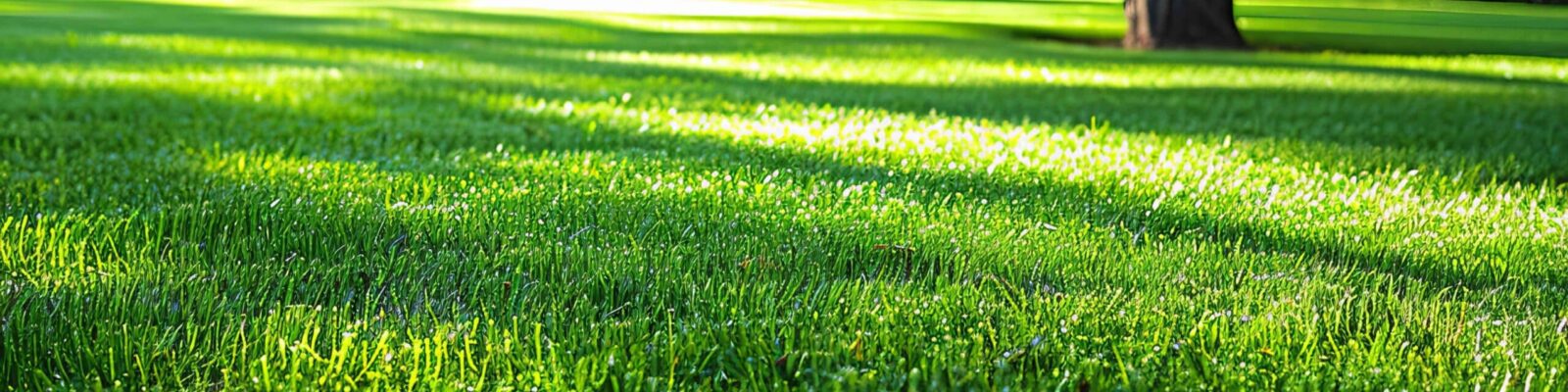
Beautiful, well-maintained Bermuda grass lawn featuring vibrant green turf with dappled sunlight under mature shade trees. Demonstrates the results of professional lawn care and maintenance for health
Understanding Fertilization Timing
Fertilizing your lawn in early spring gives grass the nutrients it needs to recover from winter and start growing vigorously. The best time to fertilize depends on the specific type of grass in your yard; however, a general guideline is to wait until your lawn has begun to green up and show signs of active growth. This signals that the grass is ready to take in the nutrients provided by fertilizers.
Using a slow-release nitrogen fertilizer is often recommended during this period since it delivers nutrients steadily and lasts longer. Monitoring your lawn’s response can provide insights into adjusting your fall lawn care strategies as well. If necessary, a secondary application may be beneficial later in the spring or early summer.
Key Steps in Early Spring Lawn Care
Kickstarting your lawn care routine in early spring involves several proactive steps. These actions lay a strong foundation for healthy grass growth throughout the year.
- Evaluate lawn condition: Assess the health of your grass and identify any bare or thinning spots that need attention.
- Apply pre-emergent herbicides: Prevent weed seeds from germinating and establish dominance over unwanted plants.
- Mow when grass reaches 3 inches: Maintain a height that supports healthy growth while preventing stress to the grass.
- Aerate soil for better nutrient absorption: This practice ensures that oxygen and nutrients reach the roots effectively, crucial for growth.
- Ensure proper watering techniques: Aim to provide an inch of water per week to encourage deeper root systems.
- Test soil pH and adjust: Soil testing helps determine any necessary amendments for optimal grass growth.
- Introduce new grass if necessary: Overseed to repair or fill in bare spots for a fuller lawn.
- Schedule professional lawn care services: Consider expert services to handle complex tasks efficiently.
Implementing these steps not only prepares your lawn but acts as a preventive measure against common issues like weeds and pest infestations, setting the stage for a healthy outdoor environment.
Monitoring Early Spring Growth
Once you’ve initiated your spring regimen, it’s vital to continue monitoring the progress of your lawn. This vigilance allows you to make necessary adjustments to watering and fertilizing schedules based on how the grass responds. Keeping an eye on soil moisture levels and rainfall will help guide your watering practices and reinforce healthy growth patterns.
Adjust your mowing practices, aiming for a height that protects grass from soil compaction while maintaining lawn aesthetics. As growth patterns stabilize, continue observing any signs of nutrient deficiency or pest presence, implementing further measures as required.
Early detection of problems allows you to alter your strategies quickly, maintaining the health of your outdoor space throughout the season. This proactive approach lays the groundwork for sustaining lawn health into the more demanding months of summer, ensuring that your yard remains a vibrant, thriving environment.
What is Pre-Emergent Herbicide?
Pre-emergent herbicides are vital tools in spring lawn care, used to prevent weeds from germinating. These products form a chemical barrier in the soil, targeting seedlings as they begin to grow. Applying pre-emergent herbicides is crucial for maintaining weed-free lawns, enabling grass to flourish without competition for nutrients and sunlight.
Utilizing these herbicides requires planning and precision. Due to their design, they must be applied before weeds start to appear, typically as temperatures begin to rise in early spring. This timing is essential for maximum efficacy against common lawn weeds, such as crabgrass and dandelions.
How to Apply Pre-Emergent Herbicides
Proper application of pre-emergent herbicides involves a few critical steps. First, ensure that the lawn is well prepared; begin by mowing and removing debris to make the treatment effective. Once the ground is ready, apply the herbicide evenly across the lawn. This can be achieved using a spreader for granules or a sprayer for liquid formulations.
Be mindful of the weather conditions; the product often requires watering in to activate and bind to the soil. Avoid application before heavy rains to prevent runoff and ineffective treatment. Timing and method both impact the success of the herbicide, ensuring that the grass remains protected from invasive species.
Following these guidelines will establish an effective defense against weeds, aiding in creating a more manageable, aesthetically pleasing lawn throughout the growing season.
Benefits of Using Pre-Emergent
The proactive use of pre-emergent herbicides comes with numerous benefits, ensuring that your lawn gains an early advantage in the fight against weeds.
- Prevents weed germination: Stops weed seeds from sprouting, reducing future manual or chemical interventions.
- Reduces the need for chemical treatments: Limits the need for harsher chemical applications, fostering an eco-friendlier lawn care routine.
- Protects good grass during active growth: Allows the primary grass species to access nutrients and grow without competition.
- Enhances lawn aesthetics: Improves the overall appearance and uniformity of your lawn.
- Increases property value: A healthy lawn boosts curb appeal, contributing positively to property valuation.
- Promotes a healthier lawn ecosystem: Supports beneficial organisms that contribute to plant health and growth.
- Saves money on weed management in later seasons: Reduces the requirement for additional weed control methods, providing cost savings.
These benefits highlight the importance of integrating pre-emergents into your seasonal lawn care strategy, ensuring that your lawn remains resilient and visually appealing in the months to come.
Why Aerate Your Lawn?
Lawn aeration is a vital component of any comprehensive lawn care regimen, and spring is a prime time to perform this task. Aeration involves creating small holes in the soil to allow air, moisture, and nutrients to reach grass roots more effectively. By improving soil structure, aeration helps grass develop strong roots, leading to a healthier, more resilient lawn.
The benefits of aerating your lawn extend beyond enhancing growth. Regular aeration mitigates soil compaction, which can impede water infiltration and restrict root expansion. This fosters a more robust grass ecosystem that stands up better to foot traffic and environmental stressors.
Moreover, integrating aeration into your regular schedule promotes the breakdown of thatch – the organic layer that can build up and deter healthy grass growth. As an element of lawn maintenance, aeration is essential for maximizing the effectiveness of fertilizers and other lawn care products.
Types of Lawn Aeration
There are generally two types of lawn aeration techniques: core aeration and spike aeration. Each has its uses depending on lawn conditions and specific goals. Core aeration is the more popular method, as it involves removing plugs of soil from the grass, creating space for roots to expand. This method can help relieve compaction and improve soil composition.
Spike aeration, on the other hand, involves using a tool to punch holes into the ground. While quicker, it does not remove soil and may cause additional compaction in already dense soils. It is best for areas with lighter compaction and where quick improvements are needed. Understanding these methods helps in determining the best approach for your lawn’s needs.
Both methods enhance the essential flow of air, water, and nutrients, promoting grass health and sustainability. Carefully choosing the right aeration technique addresses specific lawn issues efficiently.
How to Aerate Your Lawn
Aerating your lawn can be done either by hiring a professional service or using a rented aerator for a DIY approach. Begin by watering the lawn a day prior, as this softens the soil, making the aeration process more effective. If doing it yourself, opt for a core aerator over a spike tool for better results in most soil types.
Pass the aerator over the grass in a pattern that ensures even coverage, and make multiple passes in areas with high traffic or soil compaction. After aeration, leave the soil plugs on the surface; they will break down naturally and redistribute nutrients back into the soil.
Follow up with a spring lawn care schedule that includes fertilization and overseeding to fill in any bare patches for a fuller, healthier lawn. The combination of aeration with these tasks supports optimal growth for the upcoming months.
Weekly Lawn Care Tasks
Maintaining a consistent spring lawn care schedule is key for promoting lush, vibrant growth. Weekly tasks should focus on ensuring the basic health needs of your grass are met. This includes regular mowing, adjusting the height as the season progresses, and ensuring even cuts for optimal grass health.
Other weekly activities include monitoring moisture levels and adjusting sprinklers to provide adequate hydration, particularly during periods of little or no rainfall. Removing debris, such as leaves or lawn clippings, helps prevent pest infestations and diseases from taking hold.
Monthly Maintenance Scheduling
Apart from the weekly routine, planning for monthly maintenance can address other long-term goals in your spring lawn care schedule. This includes checking for any early signs of pest or disease problems, which can be addressed through timely intervention.
Monthly tasks also involve fertilization assessments, considering whether additional applications are needed based on the lawn’s response to previous treatments. This is also the perfect time for specialized care, such as overseeding in patchy areas, which ties into winter lawn preparation strategies.
Regularly revisiting these tasks ensures that your lawn is on track for achieving enviable growth and resilience, setting a foundation for success all year round.
Seasonal Adjustments
As spring progresses towards summer, making seasonal adjustments ensures that your lawn care efforts are not wasted. Adjust mowing heights to account for warmer weather, and start transitioning into summer watering techniques, gradually increasing watering duration as temperatures rise.
Evaluate your fertilization schedule, ensuring it aligns with the lawn’s growing patterns, and make minor adjustments to stay in tune with seasonal needs. Addressing seasonal transitions helps prevent stress-related issues like browning or thinning.
Additionally, preparing for transitions between seasons ensures your efforts remain effective. Attentiveness to seasonal changes guarantees that environmental shifts do not negatively impact your lawn’s appearance and health.

Happy family enjoying a well-maintained backyard with lush green grass, white flowering plants, and wooden privacy fence. Demonstrates the benefits of professional lawn care service for creating safe
Monitoring Lawn Health
Throughout spring, continuously monitoring your lawn’s condition is crucial in identifying areas needing attention. Monitor grass color, growth patterns, and overall thickness as indicators of lawn health. Early detection of issues such as nutrient deficiencies or pest presence can steer your intervention strategies in a timely manner.
Regular soil testing can reveal changes in pH levels, guiding fertilization practices for optimal nutrient uptake. Use these evaluations to refine your strategies for maintaining a lush lawn, adapting care tasks as required.
Expert Tips for a Thriving Lawn
Adopting expert lawn care tips can significantly impact your lawn’s outcome and resilience.
- Stay consistent with watering schedules: Irregular watering leads to shallow root systems and increased susceptibility to stress.
- Be mindful of weather conditions: Adjust watering and mowing practices based on local climate and conditions.
- Adjust mowing heights for seasons: Different seasons require specific mowing practices to support grass health.
- Regularly check for pests and diseases: Frequent inspections prevent issues from becoming widespread and damaging.
- Consider soil testing for nutrient deficiency: Accurate adjustments in fertilization improve lawn performance.
- Consult professionals for serious issues: Expert advice can resolve complex problems that home remedies might not address.
Applying these expert suggestions helps sustain a vibrant and attractive lawn.
Engaging Your Local Lawn Care Service
Engaging local lawn care services is beneficial, especially when tackling complicated tasks. Professionals have the tools and expertise necessary for handling issues swiftly and efficiently. This can be particularly valuable for tasks like thorough pest control or complex treatments such as chemical applications.
Establishing a routine with a trusted service provides continuity in care and maintains the high standards necessary for a healthy lawn. Collaborate with your local professionals to address emerging problems and capitalize on the latest innovations in lawn care practices.
Partnering with a professional lawn service ensures your efforts are supported and aligned with seasonal and environmental variations, guaranteeing the best results for your outdoor space.
Spring Lawn Care Guide FAQ
Beginning your spring lawn care routine should align with the end of the winter cold and the start of consistent growing conditions, usually when soil temperatures reach around 55°F. This timing typically occurs in early spring.
A well-organized spring lawn care schedule includes cleaning up debris, aeration, overseeding, and fertilization. Consider our spring lawn care services for a tailored approach that ensures your lawn thrives through the season.
The best fertilizers for spring should have a high nitrogen content to support new growth and green-up your lawn. Look for spring lawn fertilizers with slow-release forms to nourish your lawn consistently.
Providing your lawn with the right nutrients as part of your spring and summer lawn care routine ensures robust growth and prepares it for the warmer months ahead. Consult with our experts for specific product recommendations tailored to your lawn.
Aerating your lawn during spring is generally recommended once a year. It's best done early in the spring growing season when the grass is actively growing and can recover quickly.
Proper timing in aeration services promotes root development and improves nutrient, air, and water penetration, leading to a healthier, more resilient lawn. For optimal results, consider integrating it into your overall lawn care schedule.
Preparing your lawn for summer involves several essential spring lawn care tasks. Start with aeration to improve soil drainage and apply a balanced spring fertilizer to promote growth.
Regular mowing, appropriate watering, and weed control are also critical as temperatures rise. Coupling spring lawn care with proactive summer lawn care practices ensures your lawn adapts smoothly to seasonal changes, maintaining its health and appearance.